

- Joined
- Nov 2, 2025
- Messages
- 282
- Reaction score
- 0
- Points
- 16
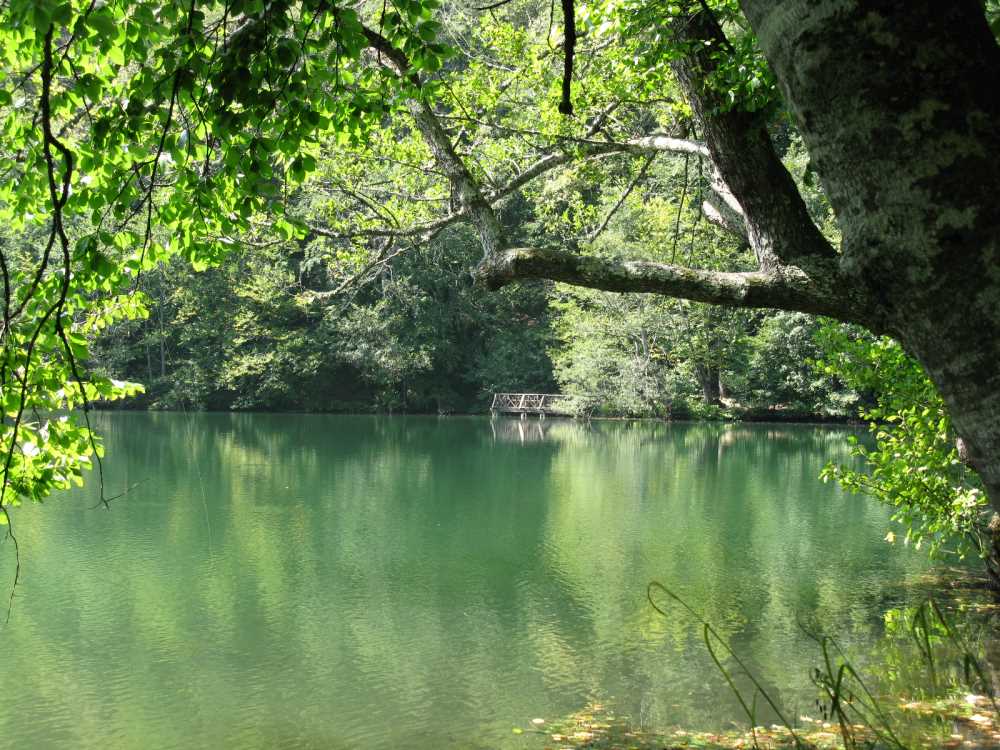
Büyükgöl amid the forests of Yedigöller National Park.
Yedigöller, meaning Seven Lakes, is a national park north of Bolu in the western Black Sea region. Its lakes sit among forests at different elevations, with a rich variety of trees and habitats and scenery that changes with the seasons. The landscape is best understood as a connected natural system, with each lake contributing its own character.
 The Lakes and Their Setting
The group comprises Büyükgöl, Seringöl, Deringöl, Nazlıgöl, Küçükgöl, İncegöl and Sazlıgöl. They differ in size, depth and shoreline, occupying two levels of terrain separated by a rise. Some appear relatively open, while others are more closely enclosed by trees and vegetation.
The names help make sense of Yedigöller as a network of places with individual identities. Büyükgöl is among the most prominent, and some basins have water connections. Differences in terrain, water and banks give each lake a distinctive appearance, even where photographs show similar reflections of surrounding trees.
 How the Lakes Formed
Landslides blocked sections of the valleys, trapping water behind the displaced material and creating the basins. Surface and underground flows connect the lakes, illustrating how earth movement and water have interacted over time. Their natural landslide origin differs from the construction of a reservoir behind an engineered dam.
Water appears in lakes, streams and places where it seeps away before returning to the surface. These features help explain the direction of the slopes, basin boundaries and wet ground around some shores. Ground conditions near the water vary: a firm path can sit beside a waterlogged patch.
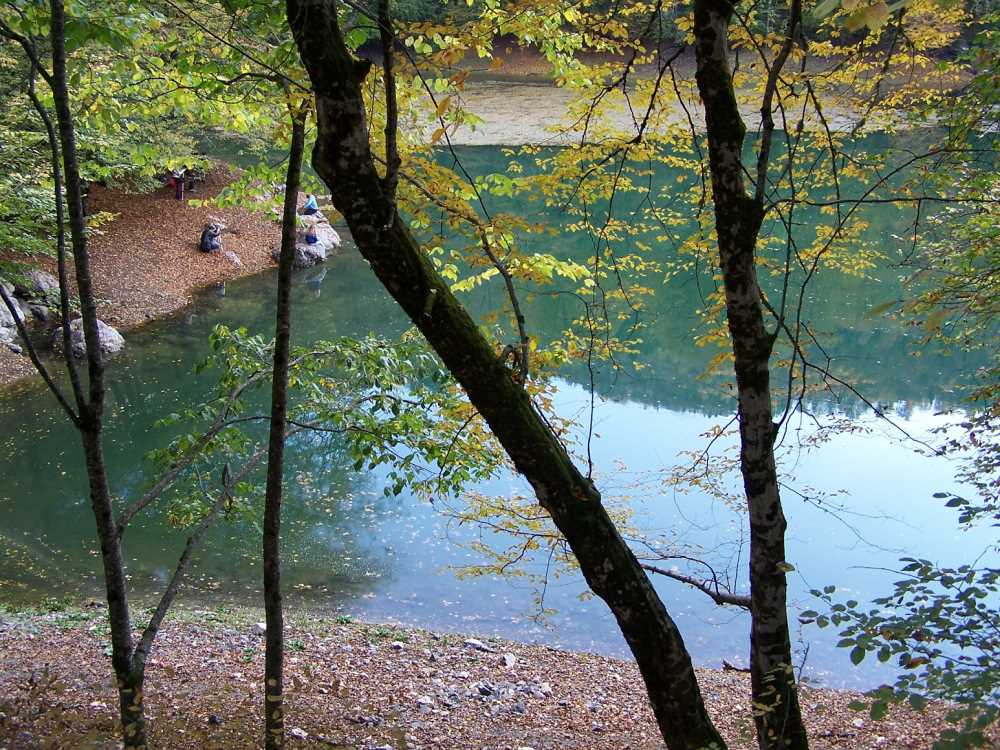
Nazlıgöl and its surrounding forest in Yedigöller.
 Mixed Woodland and Wildlife
The park's forests contain beech, hornbeam, oak, maple, several pines, fir and other trees. This mixture creates variety in leaves, trunks and colour, particularly during autumn's changing foliage. Shrubs, ground plants and waterside vegetation complement the tree cover.
The forest supports birds, mammals and smaller creatures, although their presence does not guarantee a sighting. Diverse habitats depend in part on quiet areas free from disturbance. Old trees, dense vegetation and moist soil all have ecological value, whether or not they stand out as individual attractions in a photograph.
 Conservation and the Landscape through Time
Yedigöller became a national park in 1965, reflecting a long-standing commitment to protecting this environment. Higher viewpoints provide an overview of the forests and basins, while closer views reveal water, roots and leaves. The experience changes between surveying the landscape from above and studying the shore of one particular lake.
Historical remains in parts of the park point to earlier use of the area, adding a human past to its natural setting. Each season gives the lakes a different appearance: fresh spring greenery, dense summer cover, graduated autumn colour, then winter snow, moisture and cold.
 Visiting Notes
Check the approach road, particularly in winter, when snow or landslides can affect access. Keep to paths and away from sensitive shorelines, following conservation and fire regulations. Quieter periods give you more opportunity to observe the surroundings at your own pace, without assigning a fixed time to every lake.
 Related Guides
 - Bolu 2026: The Historic City, Museums and Markets
- Abant 2026: The Lake, Forests, Meadows and Wildlife
- Gölcük and Aladağ 2026: Bolu Lakes, Forests and Highlands
- Mudurnu and Göynük 2026: Ottoman Houses, Markets and Heritage
- Seben, Gerede and Mengen 2026: Rock-Cut Houses and Rural Bolu
- Düzce and Konuralp 2026: Ancient City, Theatre and Museum
- Akçakoca and Rural Düzce 2026: Coast, Castle and Waterfalls
- Uzungöl and Çaykara 2026: Lake, Valley, Villages and Forests
- Hamsiköy and Zigana 2026: Mountain Villages, Pastures and Heritage