

- Joined
- Nov 2, 2025
- Messages
- 282
- Reaction score
- 0
- Points
- 16
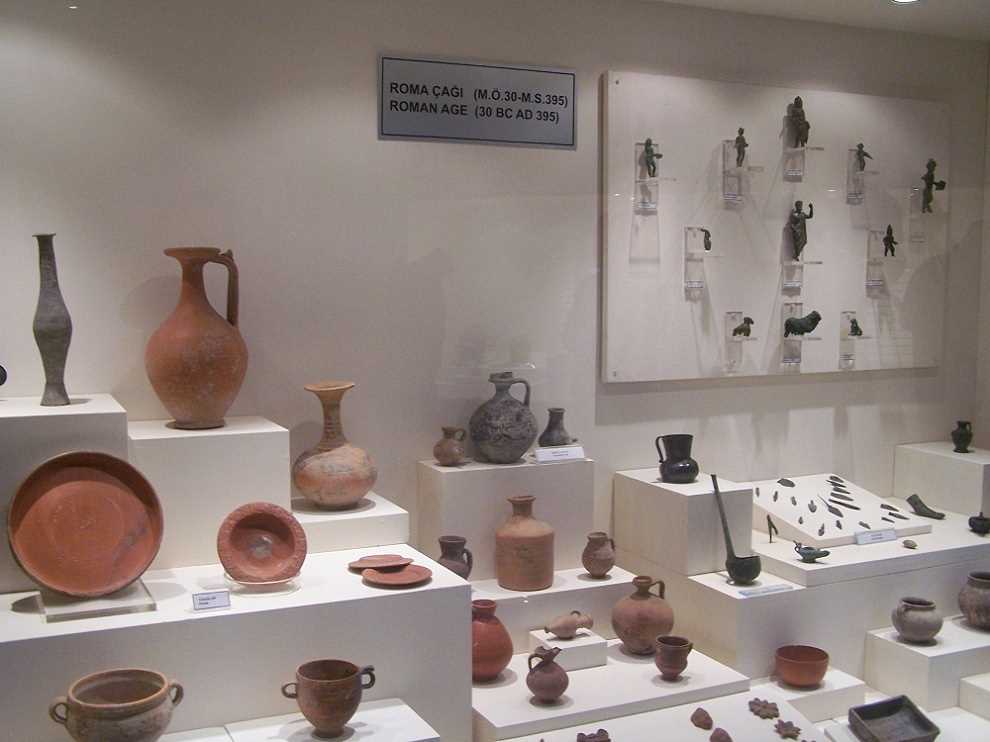
Archaeological objects on display at Bolu Museum.
Bolu is an inland city in the western Black Sea region, set on a plain surrounded by hills and forests. Its history reaches back to ancient Bithynia, while the Ottoman period added mosques, commercial buildings and baths. The city complements the province's famous lakes: a historic and cultural centre of museums, markets and monuments, with villages, fields and woodland beyond.
 The Plain and the Old City
Bolu occupies a position linking inland Anatolia with the western Black Sea. Gerede and Yeniçağa lie to the east, Mengen to the north-east, Mudurnu and Göynük to the south-west, and Seben and Kıbrıscık to the south. Their distribution shows the province's range of landscapes: a central plain, historic towns, forests and uplands.
Ancient names in the city's history include Claudiopolis. Museum finds provide evidence of periods earlier than the surviving Ottoman buildings. Together, these layers reveal a city that has served as a place of settlement, trade and government, connected with farmland and mountain corridors.
 Bolu Museum: Archaeology and Local Life
Bolu Museum brings together archaeological and ethnographic material from the city and surrounding province. Statues, inscriptions and other finds illuminate ancient settlement. Well-known examples include a statue of Herakles, also called Hercules, and other sculpture and stonework found locally. Smaller objects reveal details that ruins alone cannot convey, including religious symbols, carving traditions and tools.
The ethnographic displays introduce local life through clothing, textiles, crafts, implements and a traditional domestic interior. Mudurnu's handiwork and aspects of village culture feature in the collection, while larger stone objects are displayed in the garden. The museum thus connects the archaeological past with the memory of communities in Bolu and its countryside.
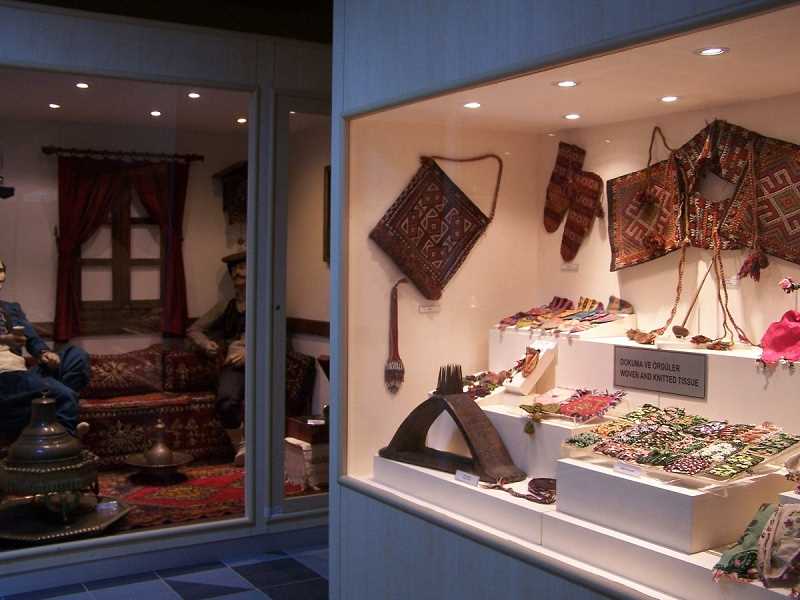
Local heritage and everyday life in Bolu Museum's ethnographic displays.
 Mosques, Baths and Commercial Inns
The city's religious buildings include Yıldırım Bayezid Mosque, also known as the Great Mosque or Ulu Cami, together with Kadı, Saraçhane and İmaret mosques. Baths and commercial inns, including Yukarı Taşhan and Aşağı Taşhan, form other parts of the historic centre. Their different functions show how worship, public services and trade were woven into urban life.
Building materials, entrances, domes and courtyard arrangements offer clues to those functions. Some buildings have undergone restoration or changes of use, so their present appearance combines historic fabric with later conservation work. Market and neighbourhood names also preserve the memory of crafts and trades that helped shape the city.
 Markets and Surrounding Villages
Markets connect Bolu with its agricultural and rural surroundings, bringing local produce and crafts into everyday trade. Clothing, handicrafts and regional food express a cultural identity shared with nearby towns and villages. The forests provide another important part of the province's character.
Bolu looks different from the city centre and from its lakes. In town, squares, monuments, inns and the museum take precedence; beyond it are fields, villages and wooded slopes. This combination of urban heritage and nature makes the centre a useful starting point for understanding the wider province.
 Visiting Notes
Confirm access to the museum and any buildings you hope to enter. Respect prayer times and the privacy of premises still in use. Façades and squares are best appreciated in daylight, with attention to uneven pavements and lanes. A rigid timetable is less important than choosing places that make the city's history clear.
 Related topics
- Abant 2026: The Lake, Forests, Meadows and Wildlife
- Gölcük and Aladağ 2026: Bolu Lakes, Forests and Highlands
- Yedigöller 2026: Seven Lakes, Forests and Natural Diversity
- Mudurnu and Göynük 2026: Ottoman Houses, Markets and Heritage
- Seben, Gerede and Mengen 2026: Rock-Cut Houses and Rural Bolu
- Düzce and Konuralp 2026: Ancient City, Theatre and Museum
- Akçakoca and Rural Düzce 2026: Coast, Castle and Waterfalls
- Old Trabzon 2026: Bazaars, City Walls and the Kostaki Museum
- Trabzon Heritage 2026: Hagia Sophia and Atatürk Mansion
Last edited by a moderator: