

- Joined
- Nov 2, 2025
- Messages
- 282
- Reaction score
- 0
- Points
- 16
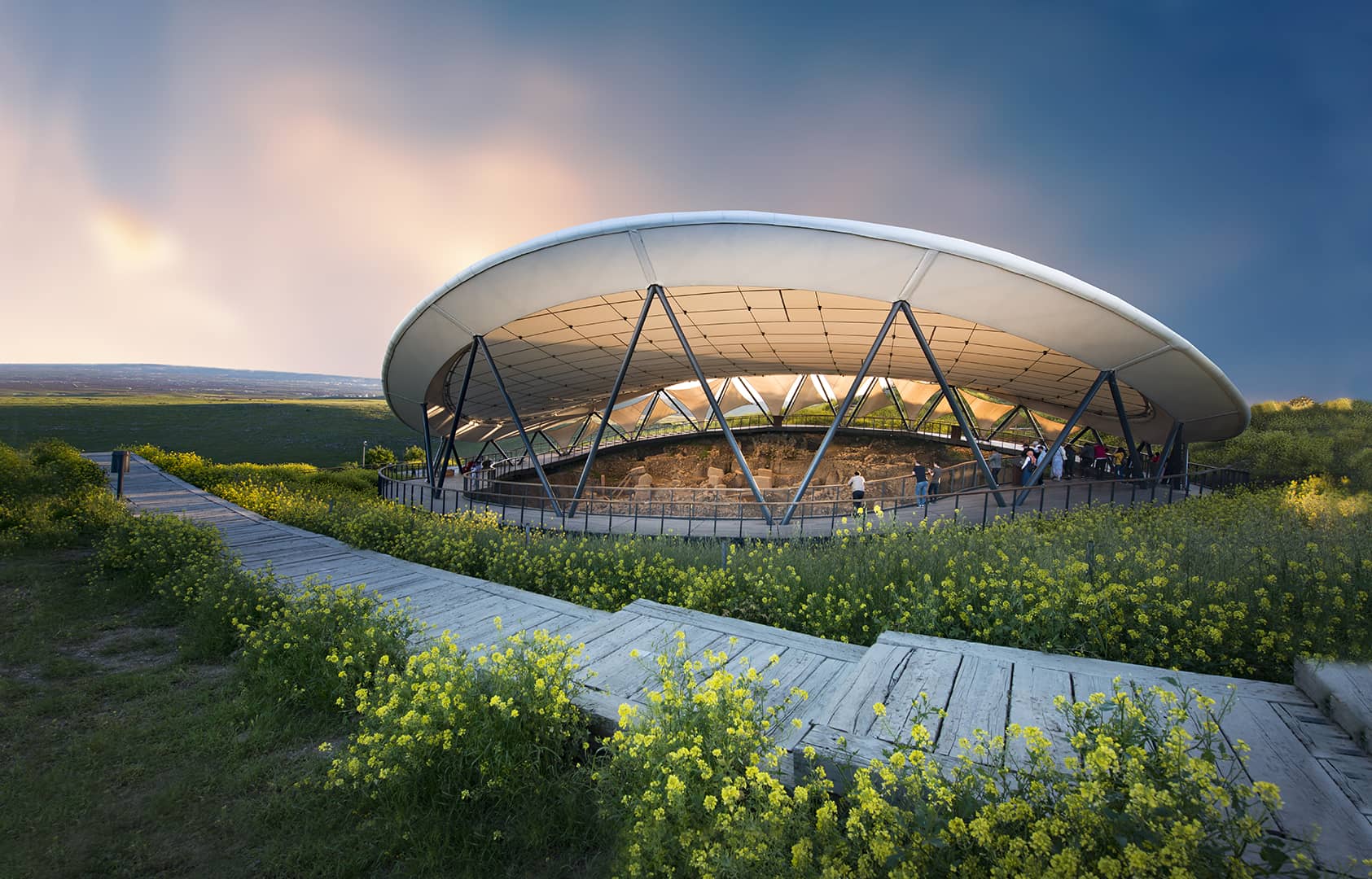
Göbeklitepe's early stone structures, inscribed on the World Heritage List in 2018.
Göbeklitepe is one of Şanlıurfa's most rewarding visits for anyone interested in the beginnings of human societies. The site lies outside the city and is best approached with an understanding of what you are seeing: monumental stone structures from the Pre-Pottery Neolithic, rather than the remains of a Roman town or medieval fortress.
 Why is the site important?
Its principal structures date to the tenth and ninth millennia BC, and it was inscribed on the World Heritage List in 2018. T-shaped pillars and animal carvings reveal sophisticated building and organisation of labour, contributing to the study of hunter-gatherer communities.
Interpretations of the buildings' functions draw on research and evolve with discoveries. Understand them as early communal and ritual architecture rather than reducing every detail to a single promotional slogan.
 Reading the structures
Begin with the overall shape of an enclosure, then look at its two central pillars and nearby carvings. Compare pillar forms and arrangements and read the signs or use the interpretation provided. Small details may take more than a first glance to become clear, so avoid rushing past.
You are viewing excavated and conserved parts of a larger archaeological site. The visitor route does not mean that the entire mound has been excavated or that every excavation area can be entered.
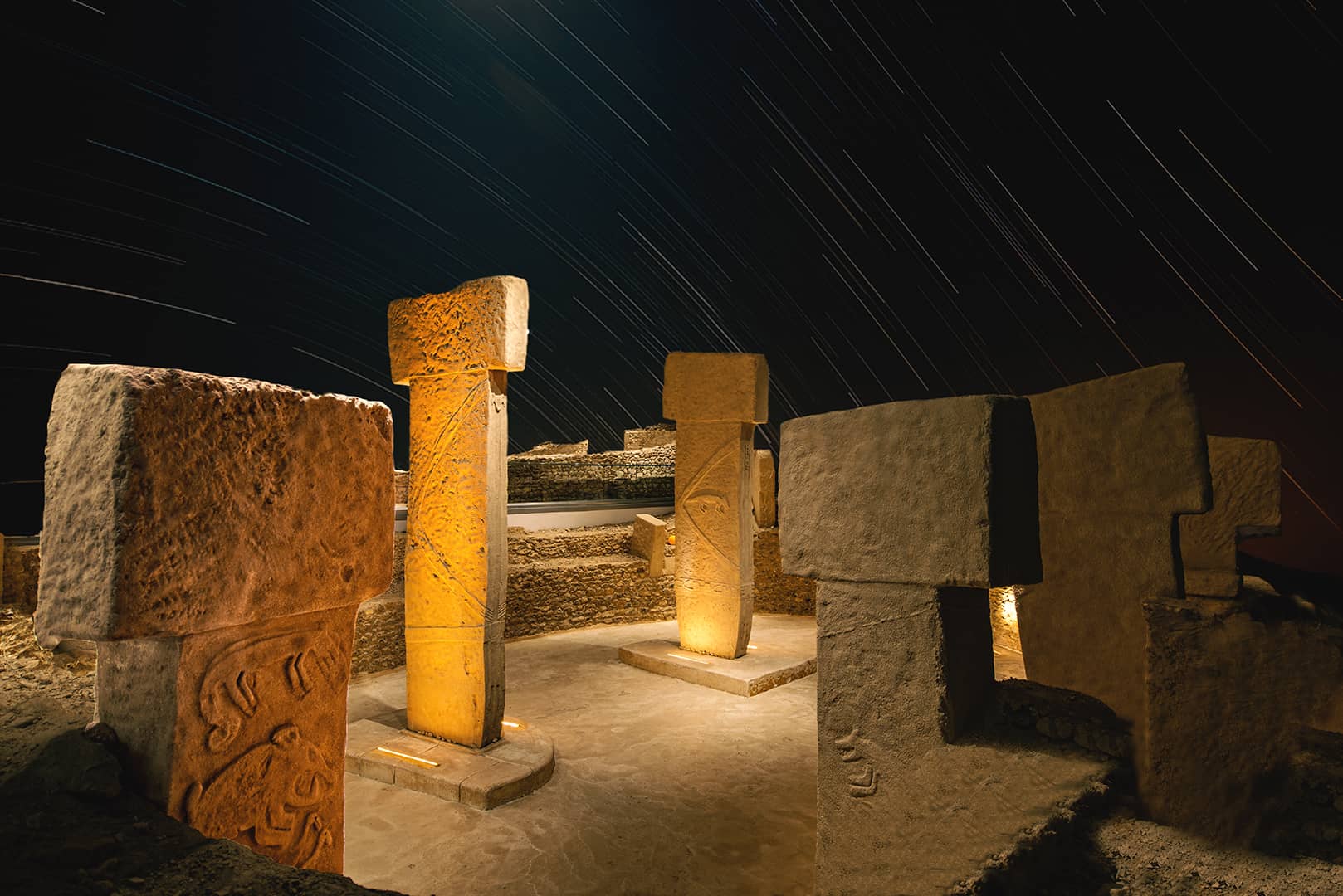
Details at Göbeklitepe, viewed from the designated visitor route.
 Getting there and back
Search for Göbeklitepe and identify the entrance rather than selecting a general marker on the mound. With a taxi or organised excursion, agree on waiting, return transport and what the price includes before leaving, and retain the driver's contact details.
Check shuttle or bus arrangements on the day rather than building a tight programme around times that may change. Allow spare time for the road journey, queues and visitor route.
 Planning a comfortable visit
Choose an early start when the weather suits, and carry water, a hat and comfortable footwear. Parts of the experience are outdoors; a shelter over an archaeological area does not mean the whole approach is shaded.
Allow around two hours at the site itself, with flexibility for crowds, plus travel time. Avoid adding Harran, Karahantepe and Halfeti all to the same day.
 Tickets and a complementary museum visit
Check admission charges and last entry through the authorised channel before travelling, and ask about photography rules and available tours. Do not assume that a museum card or booking for another site covers this visit; conditions depend on the card.
Complete the experience with Şanlıurfa Archaeology Museum in a separate part of your itinerary. Its objects and displays connect what you saw at the site to the region's wider history, giving the visit more substance than photographs of pillars alone.
 Related guides
  Karahantepe 2026: Taş Tepeler and Planning Your Visit
 Şanlıurfa Museums 2026: Archaeology and Haleplibahçe Mosaics
 Harran 2026: Beehive Houses, the Great Mosque and Historic Ruins
 Şanlıurfa 2026: Balıklıgöl and the Old City
 Urfa Flavours 2026: Liver Kebab, İsot, Bazaars and Sıra Nights
 Halfeti 2026: Euphrates Boat Trips from the Urfa Side
 Birecik 2026: Northern Bald Ibis Conservation and the Euphrates
- Şanlıurfa: A City of Prophets and Legends
 Gaziantep: Local Flavours and Cultural Heritage