

- Joined
- Nov 2, 2025
- Messages
- 282
- Reaction score
- 0
- Points
- 16
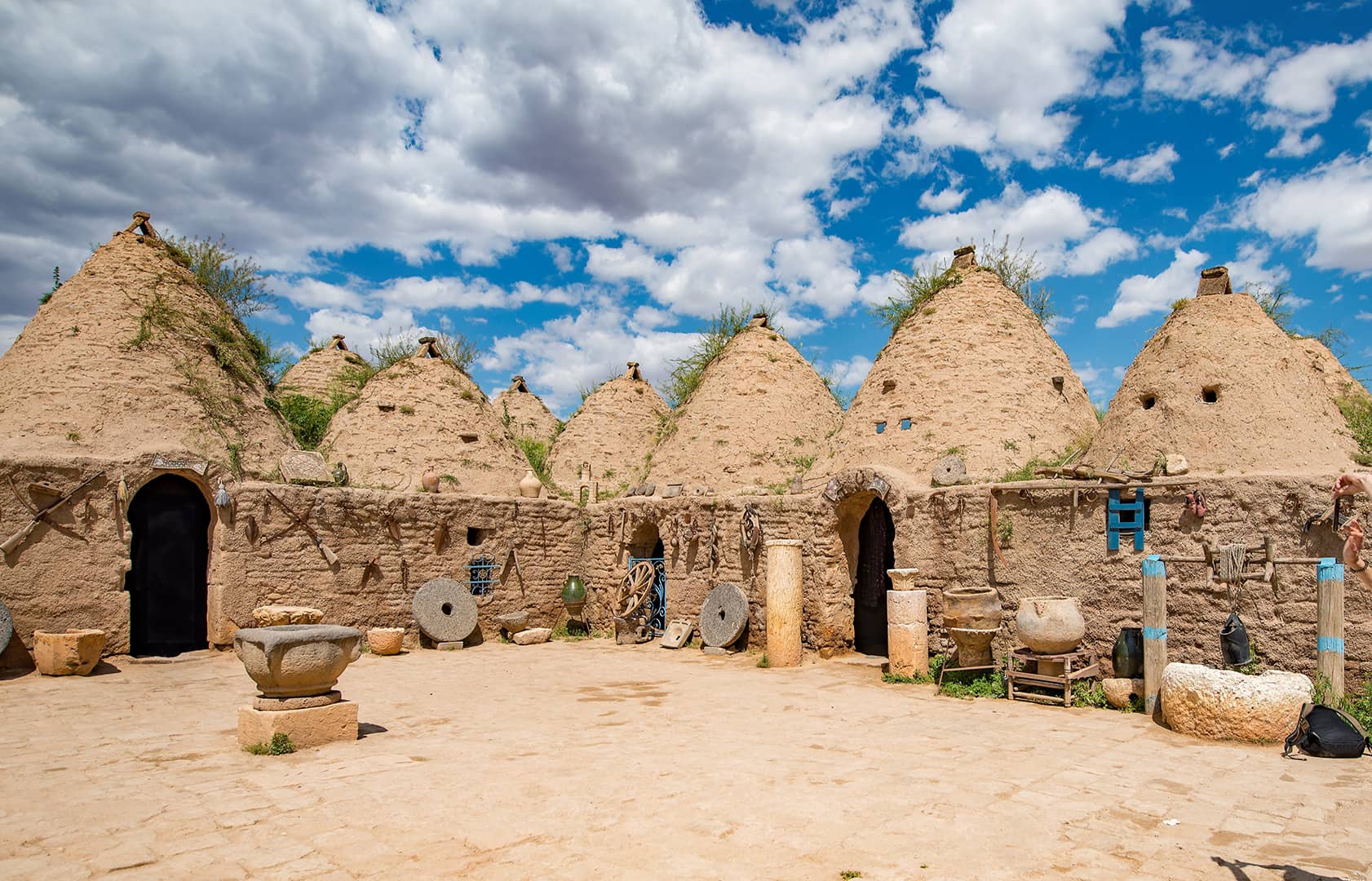
Harran's traditional houses with conical roofs and a visitor courtyard.
Harran provides an introduction to the historic countryside around Şanlıurfa. Its best-known sight is the conical-roofed houses, and the area also contains remains of the Grand Mosque, castle and ancient town. The ministry lists Harran archaeological site as closed to visitors because of the earthquake, so admission to the ruins should not be treated as a guaranteed part of the itinerary. Give it a separate excursion, keeping travel time distinct from the time spent exploring.
1.  What makes the houses distinctive?
The traditional houses stand out for their conical roofs and local building methods. Look at the arrangement of rooms, domes and ventilation openings, and ask about materials and maintenance. Their value lies in understanding everyday architecture, beyond dressing up for a photograph.
Some houses have been adapted to present local heritage and receive visitors. Ask about admission and photography charges before entering a private house, and respect the owners and areas outside the visitor route.
2.  Archaeology beyond the house display
Historic remains, including the Grand Mosque and castle, are spread across a wider archaeological area. The closure notice applies to the ministry-operated Harran archaeological site; it does not automatically determine access to private heritage houses or every part of the town.
Ask the museum administration on +90 414 313 15 88 about any change in access and the limits of the authorised route. General opening hours or an older admission description on the page do not override its explicit earthquake-related closure notice.
Excavation and conservation take place in the area and can affect access. Read signs or seek an explanation that distinguishes surviving buildings and their histories without relying on unsupported stories.
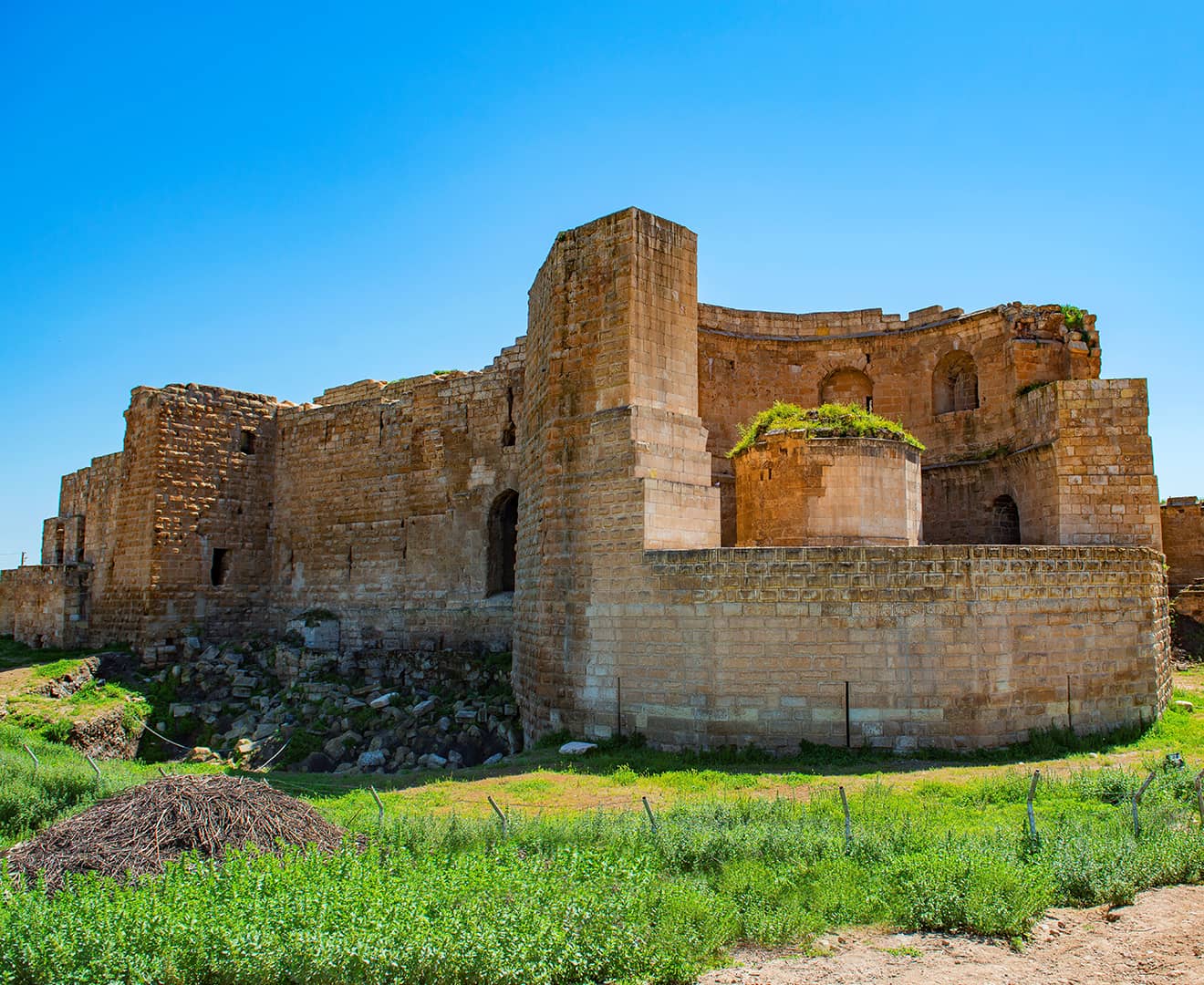
An illustrative view of historic Harran Castle; the archaeological site’s closure means an interior visit cannot be assumed.
| Part of the outing | What determines access? | Practical action |
|---|---|---|
| Archaeological site | The ministry’s earthquake-related closure notice | Ask museum staff about any change before travelling |
| Private heritage house | The owner’s arrangements and services | Confirm admission, charges and photography directly |
| Exterior viewing | The permitted route and barriers on site | Use an authorised viewpoint and stay out of work areas |
3.  Scholarship and UNESCO status
Harran has a varied history and an important scholarly tradition. The shorthand claim that it had “the world's first university” needs care, since ancient institutions do not necessarily correspond to a modern university. Its place in the history of knowledge and trading routes is significant in its own right.
Harran is on UNESCO's Tentative List, a different status from World Heritage inscription. Do not confuse it with Göbeklitepe, which is already inscribed.
4.  Timing, heat and admission charges
Choose a morning suited to the weather, and carry water and a hat: much of the route is exposed. Allow around two to three hours for an unhurried visit, adding driving time and a break separately. Do not expect big-city facilities beside every archaeological feature.
Confirm the day's charges for each site or house. An older fee exemption during restoration does not establish that every visit or service is free in 2026.
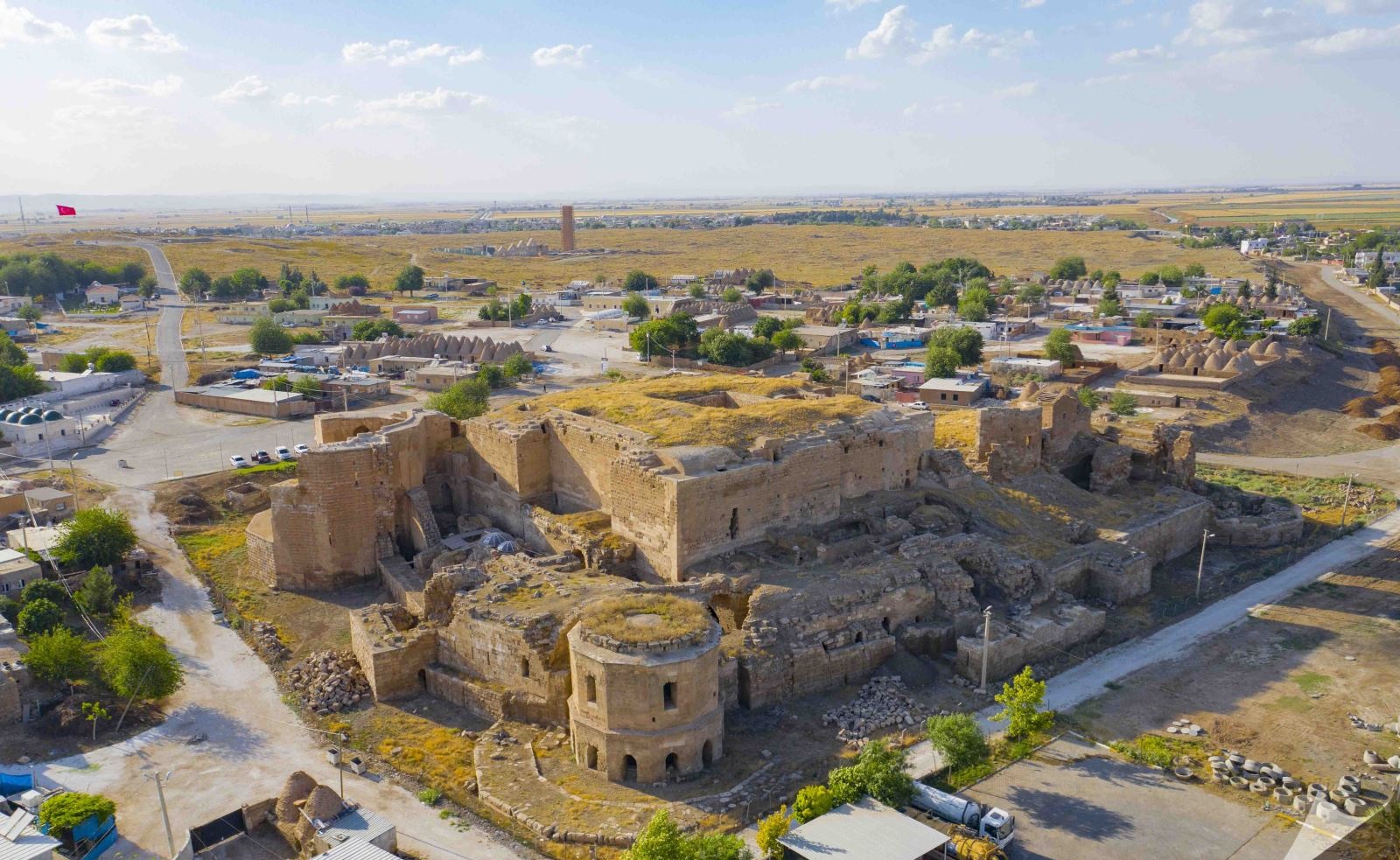
An illustrative photograph of Harran from its official site page; images do not establish access to the closed archaeological area.
5.  An unhurried journey there and back
Search specifically for historic Harran and locate the houses and archaeological remains; a general search may show other institutions and places bearing the name. Agree on the route, waiting time and return journey with your driver, and note the meeting point before walking.
If adding another site in the Tek Tek Mountains, first check that it is open and confirm the route between them.
| Part of the day | Flexible plan | Confirmation needed |
|---|---|---|
| Before departure | Identify the intended house and meeting point | Owner’s agreement and road conditions |
| First stop | A heritage house if it confirms visitor admission | Admission, charges and the explanation included |
| Rest of the outing | An exterior view from a permitted place and a break | Closure boundaries and staff instructions |
| Return | Meet the driver at the agreed point | Waiting time and return to Urfa |
 Related topics
  Karahantepe 2026: Taş Tepeler and Planning Your Visit
 Göbeklitepe 2026: Stone Pillars and the UNESCO Site
 Şanlıurfa Museums 2026: Archaeology and Haleplibahçe Mosaics
- Şanlıurfa 2026: Balıklıgöl and the Old City
 Urfa Flavours 2026: Liver Kebab, İsot, Bazaars and Sıra Nights
 Halfeti 2026: Euphrates Boat Trips from the Urfa Side
 Birecik 2026: Northern Bald Ibis Conservation and the Euphrates
- Şanlıurfa: A City of Prophets and Legends
Last edited by a moderator: