

- Joined
- Nov 2, 2025
- Messages
- 282
- Reaction score
- 0
- Points
- 16
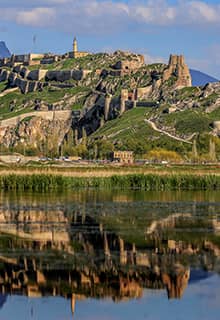
Van Castle on its rocky outcrop above the plain.
Van Castle, Old Van and Ayanis offer three perspectives on history: a royal centre on a rock, a town at its foot and an Urartian site close to the lake. Together, they reveal the relationship between fortifications, settlement and terrain.
Tuşpa was the capital of Urartu, and these sites preserve features that help explain the organisation of the kingdom. Begin with Van Castle and the old city, then allow separate time for Ayanis.
 Tuşpa Above the Plain
Van Castle occupies an elongated rock near the lake, approximately five kilometres from the city centre. Founded during the reign of Sarduri I, it became the centre associated with the Urartian capital, taking advantage of the rock's height and position.
View the outcrop from the plain before following the open ascent route. This reveals the castle's relationship to its setting and the difference between approaching its fortifications and seeing them on the skyline.
 Urartian Features in the Landscape
The remains include rock-cut tombs, defensive structures and areas associated with ritual, including the place known as Analı Kız. Inscriptions and rock-cut features show how the natural outcrop was adapted for several purposes.
Choose a few details, read their interpretation and relate them to the overall site. A specialist guide can help distinguish Urartian remains from later additions.
 The Old City Below the Castle
The old walled town extended south of the castle. Its remains reveal the relationship between the stronghold and urban neighbourhoods, while monuments from later periods add another layer to the landscape around the rock.
Ottoman remains in the castle area include Süleyman Han Mosque and some fortifications. Compare the buildings' functions and positions: each part has its own urban and historical context, which helps make sense of the surviving masonry.
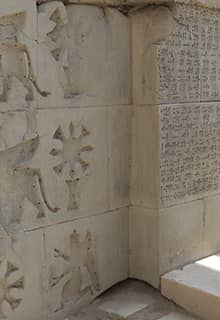
The remains of Ayanis Castle near the shores of Lake Van.
 Ayanis and Its Lakeside Setting
Ayanis lies north of Van, near Ağartı village, on a rise close to the lake's shore. Associated with the Urartian king Rusa II, it provides another example of a site chosen both to overlook the surrounding land and to command a place in the lakeside landscape.
Its archaeological remains include walls, storage areas and residential and religious structures. Comparison with Van Castle reveals the variety of buildings within these royal sites, extending their significance beyond that of military strongholds alone.
 Understanding the Remains Through Their Terrain
The lake forms part of the setting at both sites, but their relationships to the plain and surrounding heights differ. Look from the buildings to the land around them and then to the water to see how geography adds meaning to architecture.
Take a wider landscape photograph and a closer architectural study from designated routes. Record the site and feature so that photographs of Ayanis and Van Castle remain clearly identified.
 Leave Time to Read the Sites
Combine Van Castle and the old city in one excursion, allowing a separate visit to Ayanis according to travel time and access. Check visitor arrangements at each location, particularly where areas may be closed or affected by archaeological work.
Wear footwear suitable for rock, carry water, and avoid climbing walls or entering areas not prepared for visitors. With limited time, an unhurried visit to one site gives a clearer understanding than rushing through all three.
 Related Guides
 - Van 2026: University Life, Breakfast and the Everyday City
- Akdamar and Gevaş 2026: Island Heritage and Stone Architecture
- Ahlat and Adilcevaz 2026: Seljuk Gravestones and Lake Van Heritage
- Bitlis 2026: The Historic City, Stone Houses and Castle
- Edremit 2026: Lake Van Shore, Walks and Viewing Terraces
- Tatvan 2026: Nemrut Caldera and the Lake Van Shore
- Muradiye and Erciş 2026: The Waterfall and Lake Van’s Fish Migration
- Bitlis: An Ottoman Mountain City in Eastern Türkiye
- Van: The Pearl of the East and Its Legendary Lake