

- Joined
- Nov 2, 2025
- Messages
- 282
- Reaction score
- 0
- Points
- 16
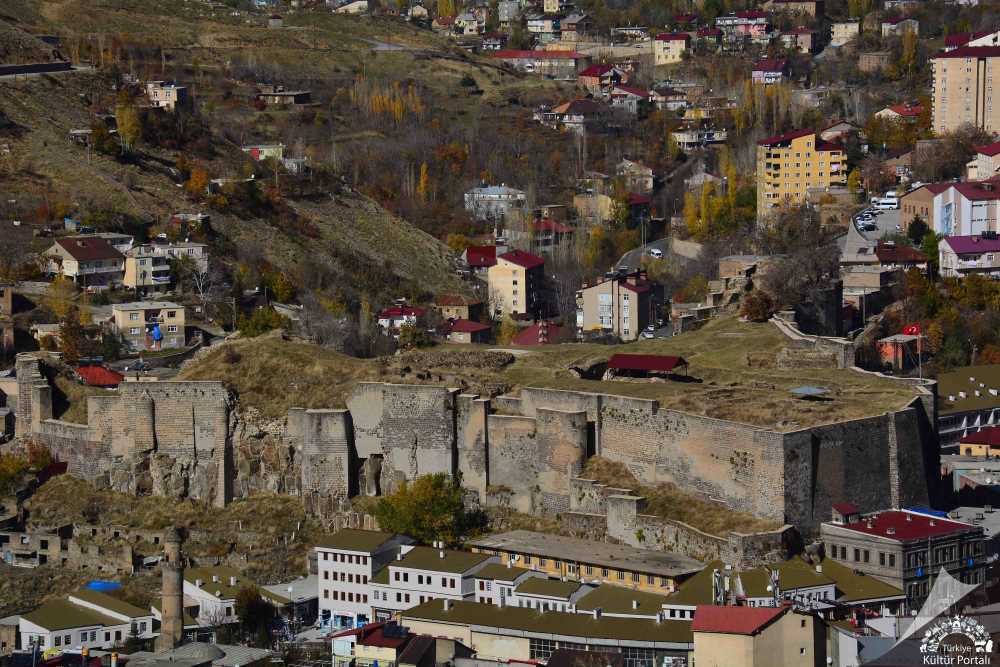
Bitlis Castle and its stone walls amid the city’s buildings, with the hillside behind it.
The character of Bitlis emerges in a historic centre shaped by its valley, where stone buildings stand alongside religious and educational monuments and the castle. An unhurried walk reveals the city through the details of doors, walls and minarets, followed by a wider view of its setting.
You can devote a visit to the architecture of the centre alone, or combine it with Tatvan and Lake Van in a longer itinerary, allowing adequate time for each stop.
 Houses: Life Behind the Walls
Traditional houses in Bitlis feature dressed stone, flat earthen roofs and high walls separating the home from the street. Their enclosed façades reflect a layout that protects the privacy of life within.
Behind decorated entrances lie stone-paved courtyards and gardens with fruit trees. The façade alone therefore tells only part of the story: the relationship between doorway, courtyard and garden is fundamental to the design.
As you walk, notice the different entrances and arrangements of stonework. Viewing from public spaces is sufficient; a historic house is not necessarily open to visitors.
 Ulu Mosque and the Şerefiye Complex
Ulu Cami, the Great Mosque, stands in central Bitlis. Its distinctive features include a minaret separate from the prayer hall. An inscription records an early repair, but the original construction date is uncertain: a useful reminder to distinguish a building's foundation from its restoration.
The Şerefiye complex brings together a mosque, medrese, charitable kitchen and tomb. Its decorated entrance is particularly striking, as is the range of functions accommodated within the complex.
Compare the two monuments through their entrances, minarets and arrangement of buildings, respecting prayer times and their continuing use.
 Medreses and the Craft of Stonework
The medreses of Bitlis represent an important part of its educational and cultural history. They include İhlasiye, Nuhiye, Şerefiye and Yusufiye. Their plans vary between open and enclosed courtyards, with local stone a recurring building material.
İhlasiye Medrese in Gökmeydan is a rewarding stop for its decorated portal and the way it relates to the façade. Looking closely at the carving gives the visit substance even if you do not intend to tour every medrese.

An archive photograph of building remains and excavations inside Bitlis Castle.
There is no need to memorise every name. Choosing one building and examining its features helps distinguish educational architecture from the house and mosque.
 The Castle in the Cityscape
Bitlis Castle is one of the city's principal landmarks and offers a way to understand the role of fortifications in its historic landscape. Begin by observing its position and relationship to the centre, then visit the interior only where access is permitted on the day.
Photographing the castle within its surroundings conveys more than a picture of a single wall. Closer views, meanwhile, reveal the texture of the stone and the structure of individual parts.
An album combining wider views with close studies of façades captures both the monument's place in the city and its architectural detail.
 A Route Through Different Building Types
- Explore the centre and its stone houses from public streets.
- Visit Ulu Mosque or the Şerefiye complex, according to your interests.
- Continue to İhlasiye Medrese, then stop for a view of the castle.
Allow time for walking and a meal between stops, rather than hurrying through a list of names. The city offers a connected story: a house organising private life, a medrese serving education, a complex combining worship and public service, and a castle shaping the skyline.
Choose the stops that best suit your interests.
 Related topics
 - Tatvan 2026: Nemrut Caldera and the Lake Van Shore
- Ahlat and Adilcevaz 2026: Seljuk Gravestones and Lake Van Heritage
- Van Castle, Old Van and Ayanis 2026: Urartian Heritage
- Akdamar and Gevaş 2026: Island Heritage and Stone Architecture
- Van 2026: University Life, Breakfast and the Everyday City
- Edremit 2026: Lake Van Shore, Walks and Viewing Terraces
- Muradiye and Erciş 2026: The Waterfall and Lake Van’s Fish Migration
- Bitlis: An Ottoman Mountain City in Eastern Türkiye
- Van: The Pearl of the East and Its Legendary Lake
Last edited by a moderator: