

- Joined
- Nov 2, 2025
- Messages
- 282
- Reaction score
- 0
- Points
- 16
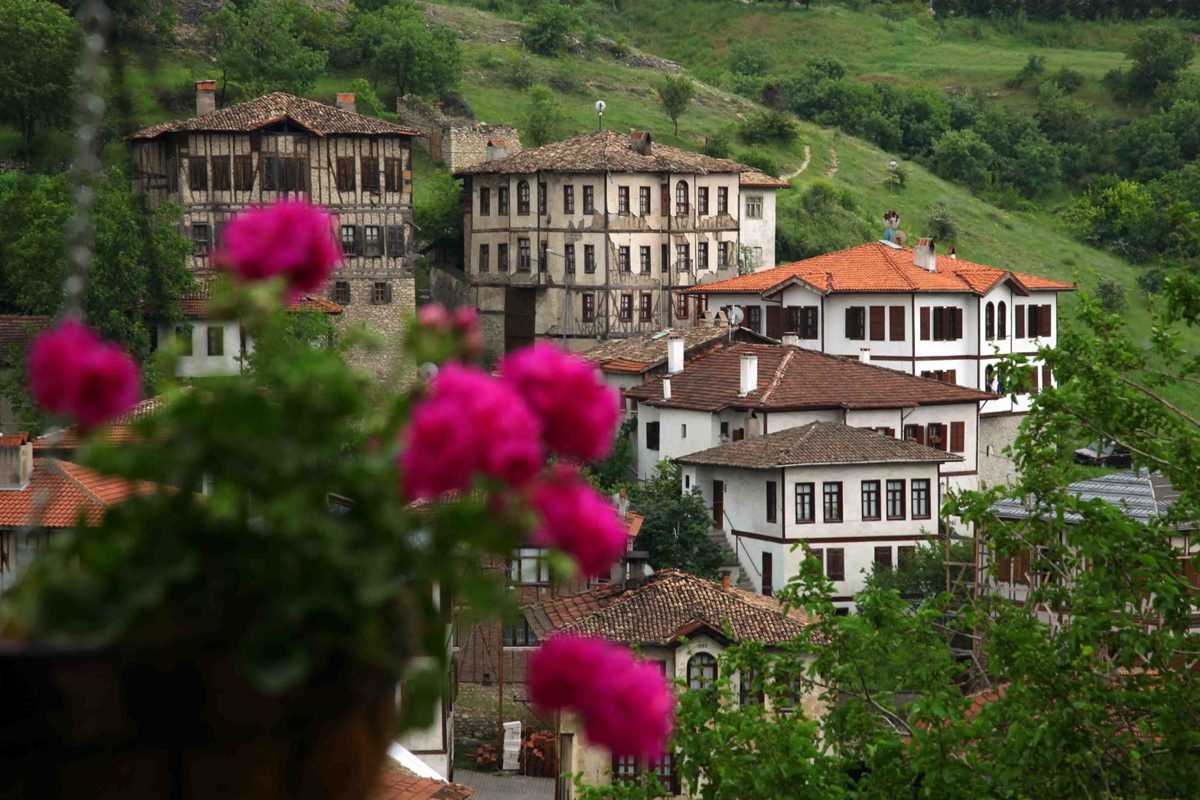
Traditional houses and rooftops in Safranbolu.
Safranbolu, in Karabük province, is one of Türkiye's outstanding preserved Ottoman towns. It was inscribed on the UNESCO World Heritage List in 1994 for the significance of its urban fabric and its relationship with trade and topography. Traditional houses, winding streets, markets, caravanserais and bathhouses reveal a community whose homes and crafts developed alongside flourishing caravan routes.
 Districts and the shape of the town
The historic town includes several distinct areas, notably Çukur, Kıranköy and Bağlar. Çukur contains the market and craft centre in the lower part of town. Kıranköy reflects different architectural and social traditions, while Bağlar has houses set in larger gardens associated with summer living. These differences explain the changing density of buildings and character of the streets across Safranbolu.
Lanes follow the contours of the land, bending with the slopes, while projecting upper floors appear around corners. The town's significance comes from the relationship between buildings, open spaces, gardens and markets, and from its preservation of an urban landscape formed before major industrial changes.
 Houses and domestic life
Safranbolu's houses combine timber, stone and wall infill, with façades, windows and projecting bays responding both to their internal use and to the street. A central space known as the sofa connects the rooms. Some houses retain fitted cupboards, fireplaces, shelves, seating and decorated ceilings. These are practical architectural responses to daily life, revealing craftsmanship, privacy and household organisation.
Understanding a house as a home explains its value more fully than simply admiring the colour of its façade. Courtyards, entrances, stairs and shared spaces served everyday functions. Differences between houses reflect their owners' circumstances and changing needs within a common local tradition.
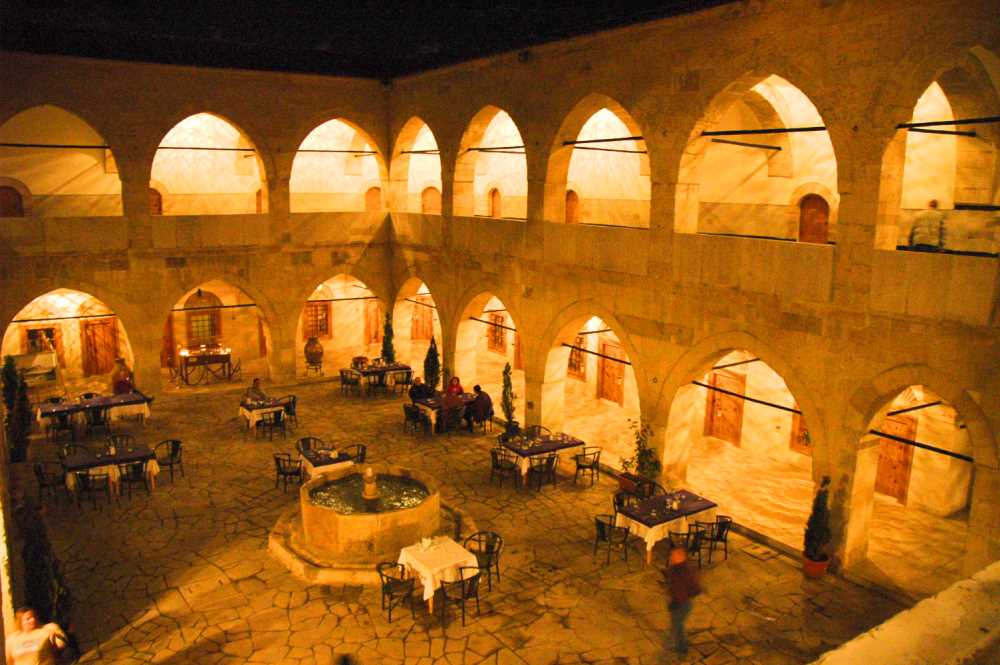
The courtyard of historic Cinci Han in Safranbolu's old town.
 Caravanserais, bathhouses and markets
Caravan trade played an important role in Safranbolu's development. Cinci Han, built in 1645, is a prominent reminder of this activity. Its courtyard, rooms and surrounding structure reveal how accommodation and exchange were organised in the historic town. Bathhouses, mosques and craft districts complete the picture of a centre serving work and social life.
Markets bear the names of trades and occupations, reflecting traditions including shoemaking, metalwork and woodworking. Their significance lies in what they reveal about the local economy and its links with houses and neighbourhoods. Saffron, associated with the town's name, adds an agricultural and cultural dimension to its identity and traditional products.
 Hıdırlık Hill and the museums
Hıdırlık Hill overlooks parts of the old town, revealing how roofs and houses spread across the slopes and relate to the valley. After exploring the lanes, this broader view helps bring the historic townscape together. It also shows the contrast between the relatively dense centre and neighbourhoods with gardens.
The City History Museum occupies the former government building and explores Safranbolu's life, occupations and memory. Houses opened to explain traditional architecture complement this account: the building itself becomes part of the display, revealing room layouts, everyday life, furniture and handcrafts. Preserving these places depends on craftsmanship, restoration and the continuation of homes and local activities within the historic town.
 Practical notes
The old streets slope and some have stone surfaces, so wear secure footwear. Access to houses and museums varies; check before visiting. Respect private homes and craft workshops, and take care around historic timber and stone details. Clear weather makes the relationship between the districts and the terrain easier to appreciate.
 Related topics
- Kastamonu 2026: Castle, Clock Tower and Museums
- Küre Mountains and Pınarbaşı 2026: Horma Canyon, Valla Canyon and Ilıca Waterfall
- The Kastamonu Coast and Daday 2026: İnebolu, Cide and Abana
- Yenice and Eskipazar 2026: Forests and Hadrianopolis Heritage
- Bartın and Amasra 2026: The Coast, Castle and Rural Heritage
- Zonguldak 2026: Coal Heritage, the Mining Museum and Gökgöl Cave
- Ereğli, Devrek and Filyos 2026: Archaeology, Crafts and the Coast
- Yedigöller 2026: Seven Lakes, Forests and Natural Diversity
- Mudurnu and Göynük 2026: Ottoman Houses, Markets and Heritage
Last edited by a moderator: