

- Joined
- Nov 2, 2025
- Messages
- 282
- Reaction score
- 0
- Points
- 16
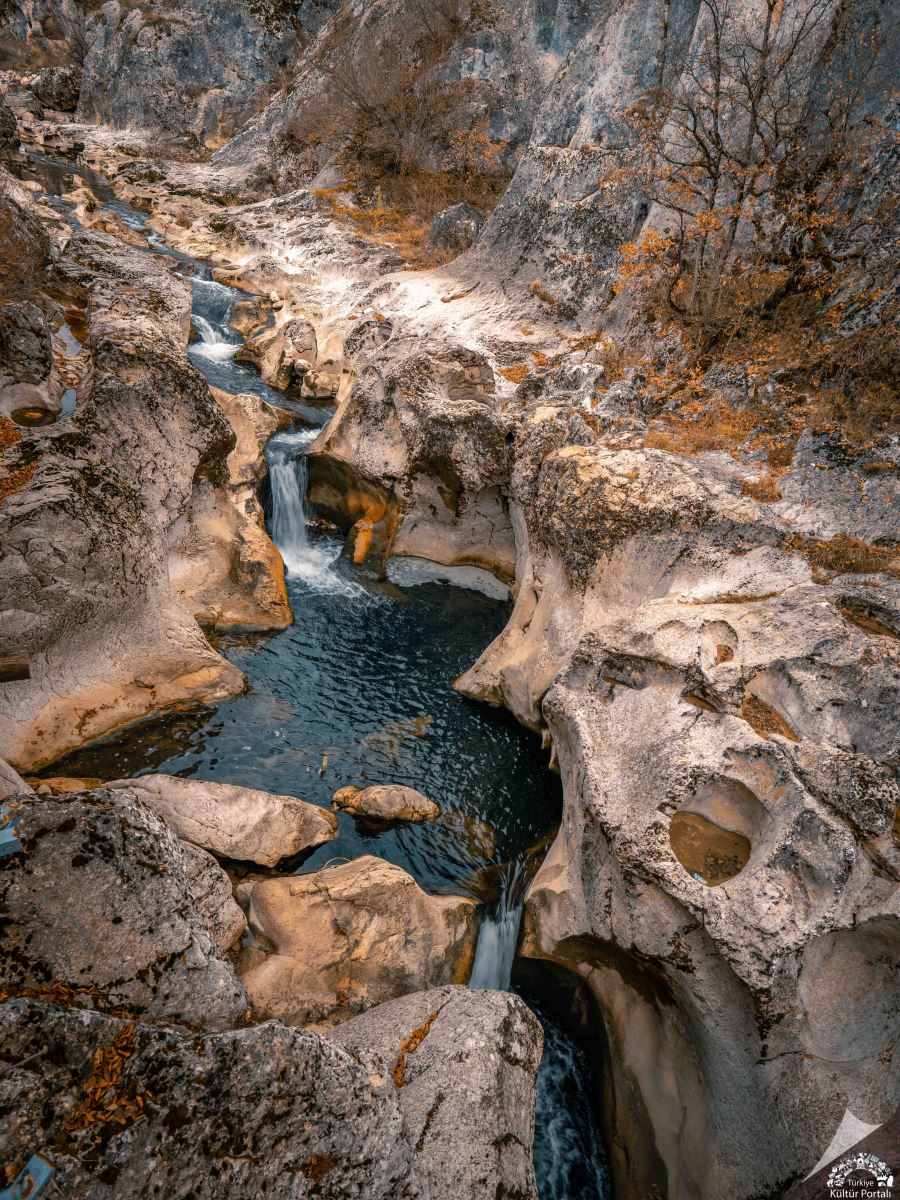
Water and rock walls in Horma Canyon near Pınarbaşı.
The Küre Mountains bring together dense forests, deep valleys, caves and waterfalls in the western Black Sea region. The national park extends across Kastamonu and Bartın, with Pınarbaşı providing one of the gateways to its landscapes. Horma Canyon, Valla Canyon and Ilıca Waterfall represent different features within this setting, connected by rock, water and the surrounding villages.
 Forests and the karst landscape
The Küre Mountains show how woodland and karst formations interact. Karst develops as water dissolves susceptible rock, creating features such as gorges, caves and depressions among tree-covered slopes. Shade, moisture and water support varied habitats. The national park protects these ecological relationships as well as the value of individual sites.
Villages, farmland and rural homes surround the park, reflecting longstanding connections with forests and seasonal work. They belong to both the geography and culture of the area. Respect protected boundaries and the places where residents continue their daily activities.
 Horma's rock formations
Horma Canyon is in Pınarbaşı, where the Zarı stream has carved a channel between close rock walls. Hollows, pools and arch-like forms in places reveal the effects of flowing water and erosion over long periods. Plants on rock edges and water below add layers of interest to a landscape richer than a simple mountain passage.
A wooden walkway runs through the gorge, allowing visitors to see parts of it from above the stream, with the route leading towards Ilıca Waterfall. The walkway is a modern means of exploring the natural feature. The site's underlying interest lies in its rocks, water and vegetation, and the changing width of the gorge.
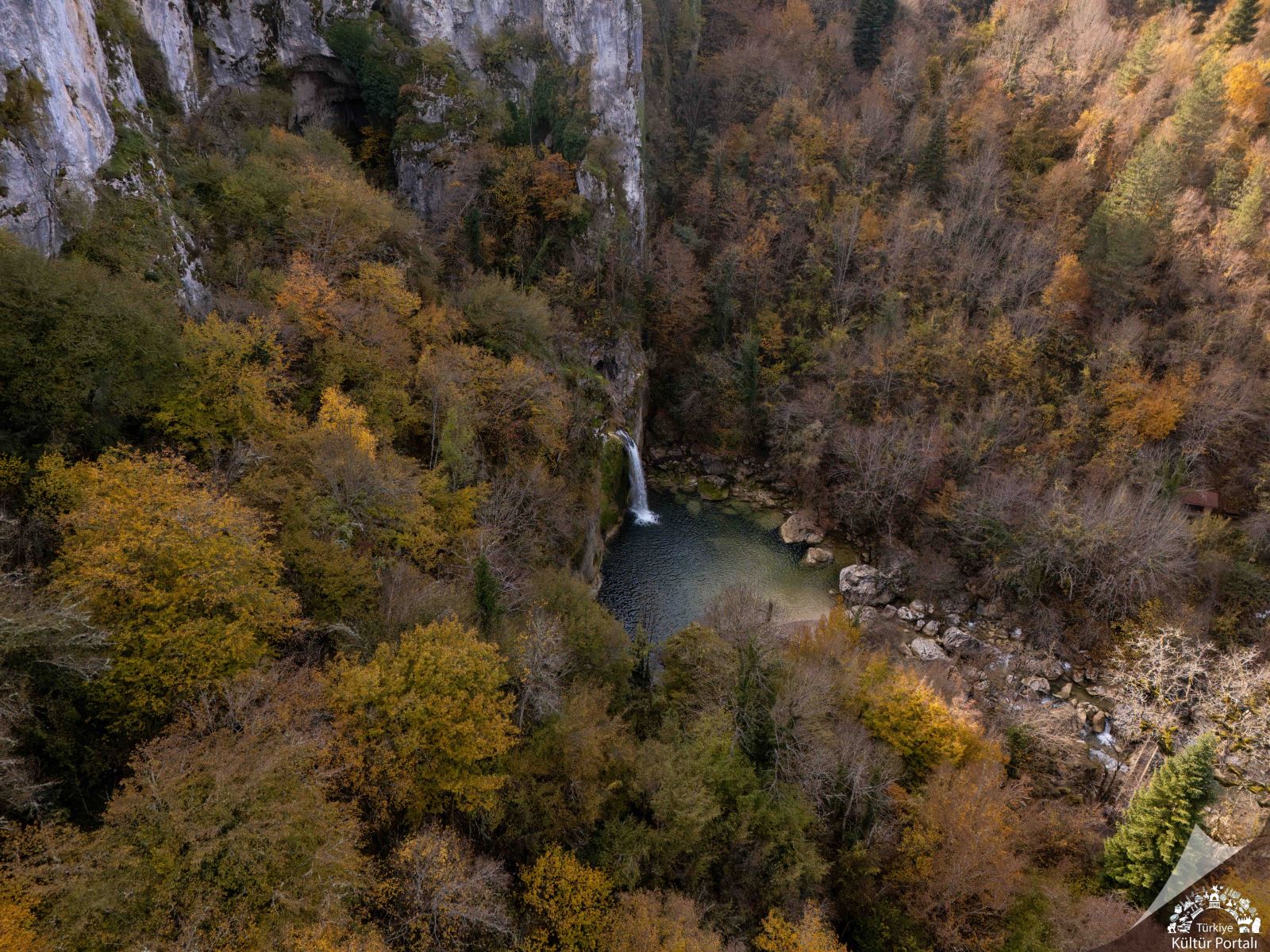
Ilıca Waterfall and its natural pool among trees at the end of Horma Canyon.
 Valla's deep gorge
Valla differs from Horma in the scale of its views, steepness and towering rock walls. Watercourses around Pınarbaşı and forests along the rims form part of the scene, while viewpoints reveal a deep cleft within the mountains. Comparing the two sites helps explain how valley forms differ within the same region, even where the wider woodland environment is similar.
Valla's terrain deserves careful respect. Viewing it from approved platforms is entirely different from entering the bottom of the gorge. Mist or dense vegetation can conceal parts of the view, leaving layers of forest, rock and depth visible through the landscape.
 Ilıca, its village and the water
Ilıca Waterfall lies within its namesake village at the end of Horma Canyon. The Zarı stream falls into a natural pool surrounded by trees and vegetation, with signs of erosion and smaller basins in nearby rock. Its distinctive character comes from water, shade and woodland gathered within a compact space, rather than height alone.
Ilıca village and the villages around Pınarbaşı introduce life alongside these sites, through their houses, farmland and use of local resources. Other caves and valleys add to the diversity of the Küre Mountains, a broad natural and rural landscape in which each feature has its own form, role and location.
 Practical notes
Check whether walkways and viewing platforms are open, along with the weather, before travelling. Follow approved routes at Horma and Valla. Entering the bottom of a gorge requires appropriate equipment, experience and specialist arrangements. Rain can make surfaces slippery. Protect plants and water, and do not assume a natural pool is automatically safe for swimming.
 Related topics
- Kastamonu 2026: Castle, Clock Tower and Museums
- The Kastamonu Coast and Daday 2026: İnebolu, Cide and Abana
- Safranbolu 2026: Ottoman Town, Houses and Historic Markets
- Yenice and Eskipazar 2026: Forests and Hadrianopolis Heritage
- Bartın and Amasra 2026: The Coast, Castle and Rural Heritage
- Zonguldak 2026: Coal Heritage, the Mining Museum and Gökgöl Cave
- Ereğli, Devrek and Filyos 2026: Archaeology, Crafts and the Coast
- Abant 2026: The Lake, Forests, Meadows and Wildlife
- Gölcük and Aladağ 2026: Bolu Lakes, Forests and Highlands
Last edited by a moderator: