

- Joined
- Nov 2, 2025
- Messages
- 282
- Reaction score
- 0
- Points
- 16
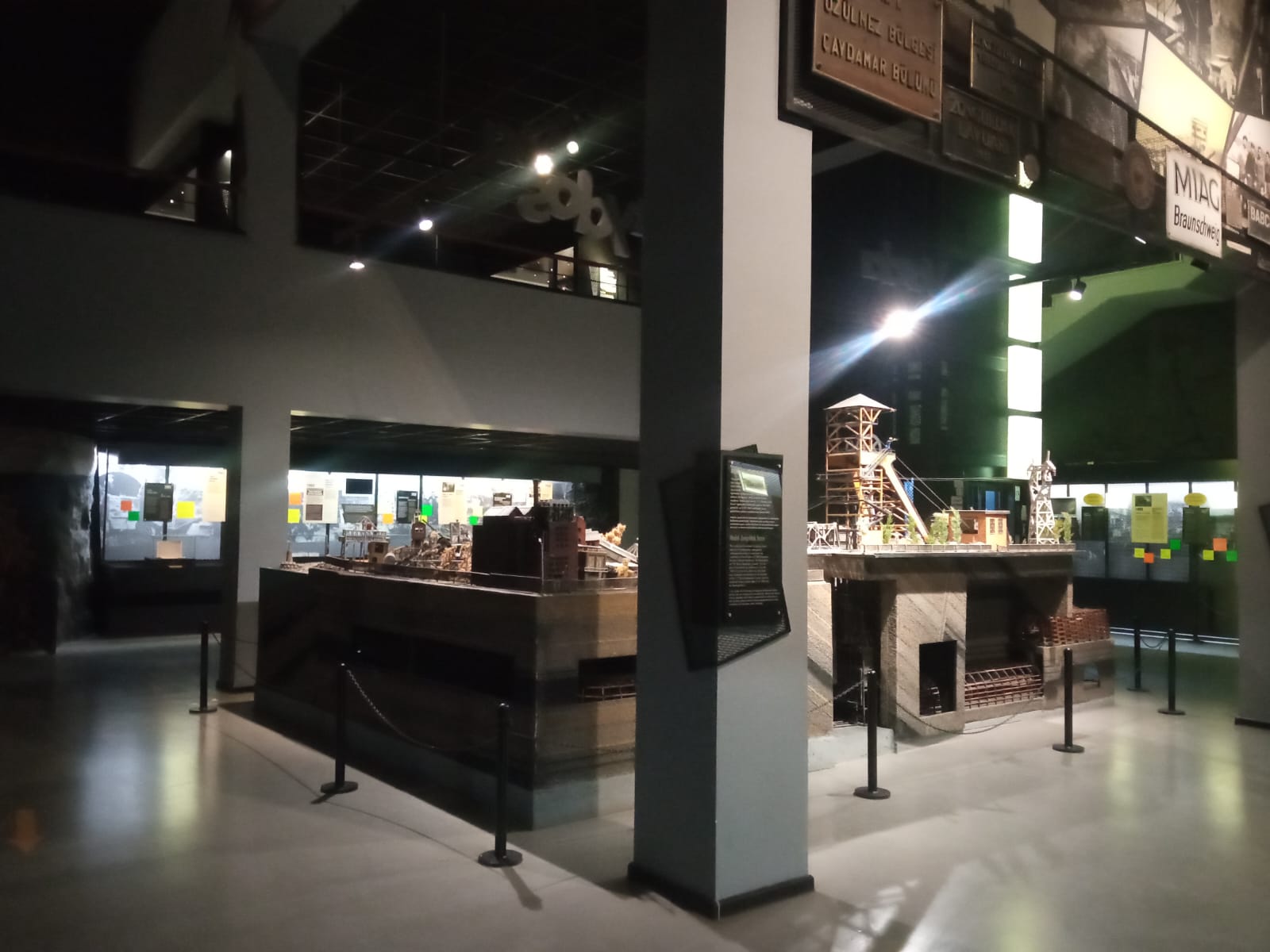
Mining heritage on display in Zonguldak.
Zonguldak is a coastal city in the western Black Sea region whose modern identity is closely tied to coal mining, its port and industrial labour. Green hills and valleys surround the city. Its museums document workers and technology, while Gökgöl Cave reveals a different geological story. Together they connect the visible industrial landscape with a world of rock and water underground.
 The City, Port and Hillsides
Zonguldak's neighbourhoods rise from the waterfront across the surrounding slopes. Coal extraction and the development of the port were important drivers of the modern settlement, linking the transport of coal with shipping, infrastructure and employment. The sea therefore has an economic and geographical significance as well as a place in the coastal view.
The relationship between port, neighbourhoods and mining sites explains a working city shaped around a particular resource. Nearby forests and valleys frame its urban landscape. Industry, greenery and rock each contribute to understanding the area's history.
 Coal and Social Memory
The Zonguldak basin became associated with hard coal and the industries, infrastructure and communities that grew around its mines. Mining required technical knowledge and organised labour, while also shaping family life, social relationships and the city's identity. Its history includes workers, equipment, transport, lighting, communication and protection, as well as the discovery and use of coal itself.
Preserved industrial objects, photographs and documents help explain the changes the basin experienced. This heritage differs from that of castles and palaces, but offers a direct account of the modern city. It shows how an economic activity can shape buildings, occupations and the shared memory of an entire community.
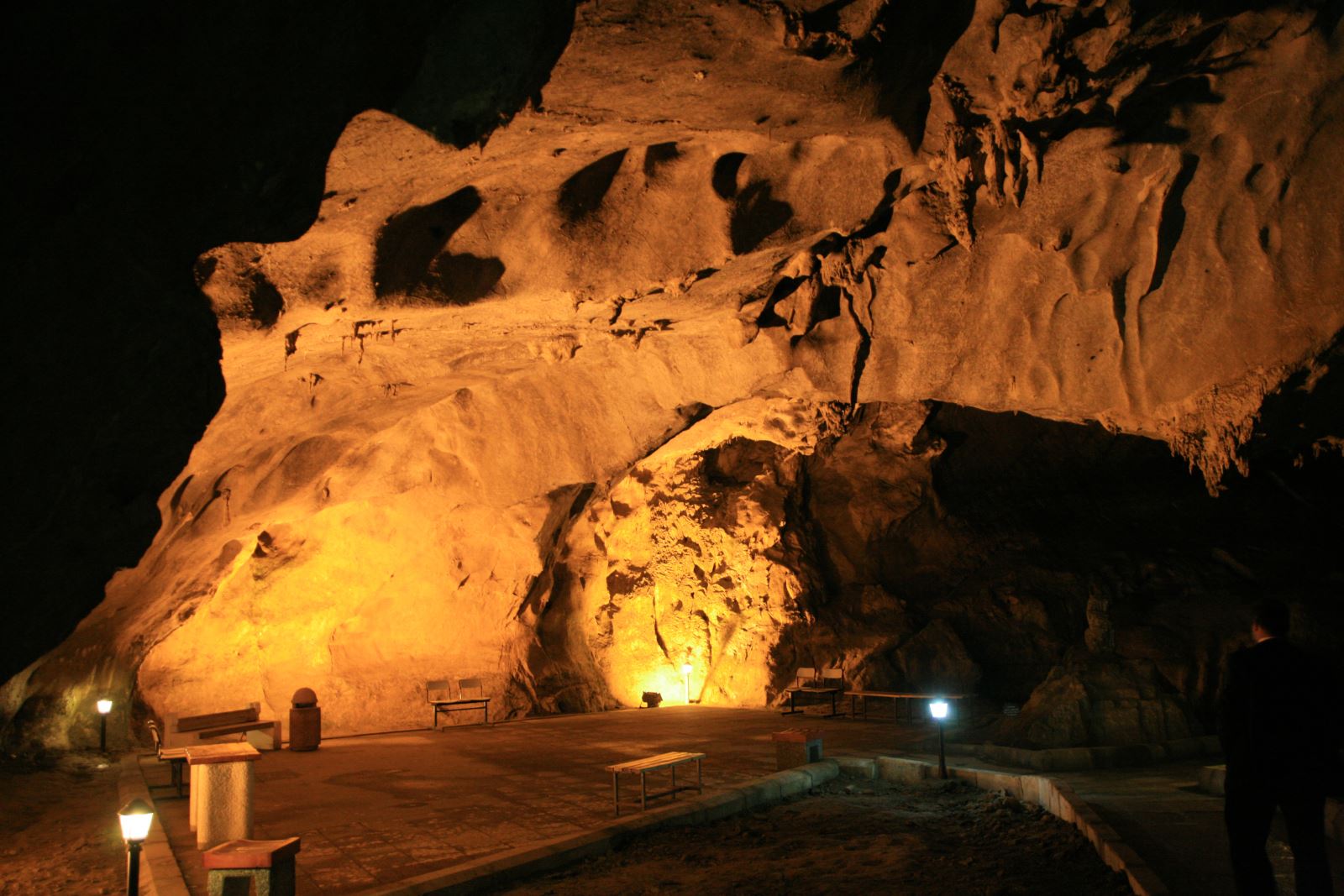
Calcite formations inside Gökgöl Cave in Zonguldak.
 Inside the Mining Museum
Zonguldak Mining Museum explores hard coal, extraction methods and technological development. Displays include a model of the Zonguldak basin, surveying equipment, rescue and excavation tools, and personal protective equipment. Coal formation and plant fossils from different geological periods connect the raw material with the history of the Earth and the skills used to extract and process it.
Social-life exhibits add another perspective: radio equipment associated with the coal enterprise, music and cinema memorabilia, Kömürspor trophies, and equipment from a shop that served the miners. The museum brings industry, culture and work together, showing mining's effects on the community as well as its underground technologies.
 Gökgöl and Underground Water
Gökgöl Cave has several levels and passages with varied calcite formations. Some older sections are inactive, while others remain connected with flowing water and mineral deposition. Stalactites, stalagmites, columns and stone curtains appear within a system containing an underground stream. They demonstrate how water dissolves rock and subsequently deposits minerals inside cavities.
The whole cave system extends for several kilometres, but the prepared visitor route covers a defined section. Lighting and walkways reveal some chambers and formations; the natural system is much larger than the public display area. Close to the city, Gökgöl adds an underground dimension to the region's visible geography.
 Visiting Notes
Confirm access to the museum, cave and public route. Cave surfaces may be wet and the air cooler than outdoors: keep to the walkway and avoid touching formations. Working mines and industrial premises have their own entry rules. Their importance to the city's heritage does not make them open visitor sites.
 Related topics
- Kastamonu 2026: Castle, Clock Tower and Museums
- Küre Mountains and Pınarbaşı 2026: Horma Canyon, Valla Canyon and Ilıca Waterfall
- The Kastamonu Coast and Daday 2026: İnebolu, Cide and Abana
- Safranbolu 2026: Ottoman Town, Houses and Historic Markets
- Yenice and Eskipazar 2026: Forests and Hadrianopolis Heritage
- Bartın and Amasra 2026: The Coast, Castle and Rural Heritage
- Ereğli, Devrek and Filyos 2026: Archaeology, Crafts and the Coast
- Düzce and Konuralp 2026: Ancient City, Theatre and Museum
- Akçakoca and Rural Düzce 2026: Coast, Castle and Waterfalls
Last edited by a moderator: