

- Joined
- Nov 2, 2025
- Messages
- 282
- Reaction score
- 0
- Points
- 16
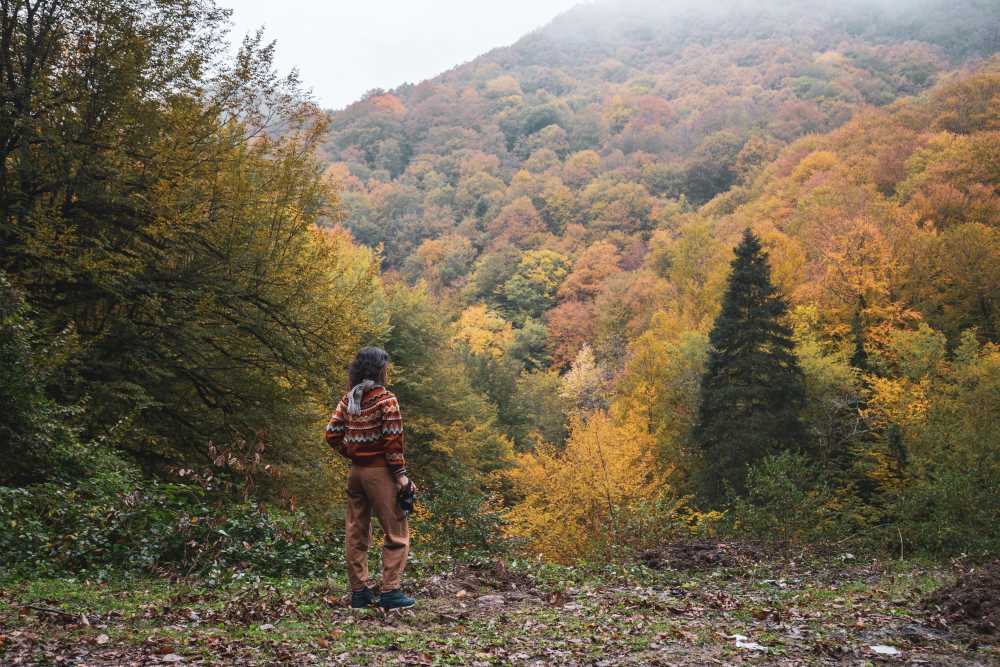
Wooded slopes and valleys around Yenice in Karabük province.
Karabük province offers a variety of landscapes beyond Safranbolu. Forests and valleys define Yenice, while Eskipazar reveals evidence of ancient settlement. Together, their dense woodland, villages, waterways and the archaeological site of Hadrianopolis show different ways in which the land has shaped people's lives over time.
 Yenice's forests
Yenice lies inland in the western Black Sea region, where steep slopes and valleys are largely covered by forest. A variety of tree species, areas of old woodland and watercourses provide diverse habitats. Its ecological value lies in the continuity of these wooded areas and their relationship with soil, water and wildlife, as well as the green scenery visible from the slopes and viewpoints.
The forest changes with the season, leaf cover and mist. From higher ground, successive layers of trees and valleys come into view. This variety makes Yenice an important example of the wooded interior, with a character distinct from both the coast and the province's historic towns.
 Villages, valleys and local life
Village settlement around Yenice reflects the terrain and the resources of the forest. Houses, small fields and roads occupy the spaces the landscape allows, while timber, rural work and water remain part of local life. You can follow the scene outwards from the town in the valley to the villages and slopes, then to the surrounding forests.
The Ihlamur viewing area overlooking Yenice provides a good perspective on these connections between settlement and woodland. The villages remain places where people live and work, adding a social history of crafts, resource use and seasonal activity to the natural setting. Details vary from one village to another according to location and altitude.
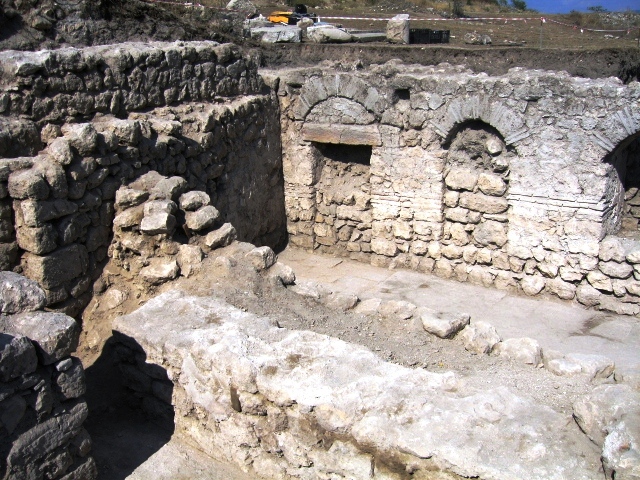
The remains of a building at Hadrianopolis near Eskipazar.
 Eskipazar and Hadrianopolis
The remains of Hadrianopolis lie near Eskipazar, across an area that includes Budaklar, Büyükyaylalar, Çaylı and Beytarla. Viranşehir is a particularly important part of this landscape. The remains reveal Roman and Byzantine occupation and both religious and secular buildings. The ancient city extends beyond a single structure, with different areas and elements helping to explain its layout and use through successive periods.
Churches, cisterns and architectural remains are among the known features, while mosaics give the site particular importance. They show how the inland western Black Sea region participated in Anatolia's architectural, religious and artistic traditions, complementing the province's later Ottoman buildings.
 Mosaics and archaeological research
The mosaics of Hadrianopolis include human, animal and plant imagery alongside religious symbolism. Documented examples depict the four rivers of Paradise in Christian tradition. These floors reveal the skill involved in arranging small pieces into complete compositions; inscriptions and architectural elements also help researchers interpret the buildings' functions and dates.
Understanding the site depends on continuing research, excavation and conservation, and the areas open to visitors can change as archaeological work progresses. Yenice and Eskipazar bring together a living natural heritage and a material heritage still being uncovered. Both require long-term care, and each explains a different aspect of the relationship between people and the land in Karabük.
 Practical notes
Check forest road conditions and which parts of the archaeological site are accessible. Keep to paths and observe excavation boundaries. Do not touch mosaics or collect fragments from the ground. Mist and rain can reduce visibility, and village privacy and local working areas should be respected.
 Related topics
 - Kastamonu 2026: Castle, Clock Tower and Museums
- Küre Mountains and Pınarbaşı 2026: Horma Canyon, Valla Canyon and Ilıca Waterfall
- The Kastamonu Coast and Daday 2026: İnebolu, Cide and Abana
- Safranbolu 2026: Ottoman Town, Houses and Historic Markets
- Bartın and Amasra 2026: The Coast, Castle and Rural Heritage
- Zonguldak 2026: Coal Heritage, the Mining Museum and Gökgöl Cave
- Ereğli, Devrek and Filyos 2026: Archaeology, Crafts and the Coast
- Mudurnu and Göynük 2026: Ottoman Houses, Markets and Heritage
- Seben, Gerede and Mengen 2026: Rock-Cut Houses and Rural Bolu
Last edited by a moderator: