

- Joined
- Nov 20, 2025
- Messages
- 221
- Reaction score
- 0
- Points
- 16
You have enjoyed the meal and the conversation when a small slip arrives, filled with Turkish names and figures. Knowing how to read it and ask about a particular item helps you finish the visit calmly. A couple of minutes checking the dishes, quantities and total gives you a clear picture before choosing how to pay and whether to add a tip. Keep the end of the meal straightforward: a clear question, an understandable answer and an agreed amount.
 Three things to clarify before ordering
Check the prices of the dishes you want, what each order includes and the details of any offer you are considering. If you need a particular payment method, confirm it is accepted before ordering. These practical questions concern the restaurant you are visiting; options can differ between venues or orders, so ask directly during your visit.
When ordering water, bread and starters, ask which items are charged separately if the description is unclear. Keep the dish names or a photograph of the menu you used when there are many details. A simple summary of the family’s order helps you check what actually arrived, especially if everyone ordered through a different digital page.
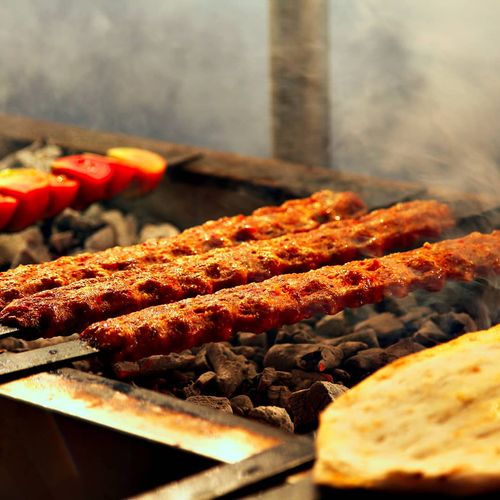
Grilled food: an illustration for checking portions and orders on the bill.
 Read the bill from individual items to the total
Ask for the bill with Hesabı alabilir miyiz?, meaning “Could we have the bill?” Start with the dish names and quantities. Check the number of meals and drinks, and identify extras and sides. If you see an unfamiliar abbreviation, point to it and ask what it means rather than guessing from the figure alone.
Next, check the unit price and total for each line, then the overall bill. For items priced by weight or sharing dishes, compare the quantity charged with what you agreed. If the restaurant changed the order during preparation or substituted an item, ask how the adjustment appears on the bill. Many details can be resolved by checking the relevant line with a member of staff before paying.
 Worked example: spotting an extra item
All figures in this example are hypothetical, for illustration only, and do not represent current prices. Suppose you ordered two mains, two drinks, a salad and water, but the bill lists three drinks. Check how many drinks you ordered and actually received, then request a correction if an extra one has been charged. The total changes as shown below.
| Item | Intended calculation | Hypothetical total |
|---|---|---|
| Two mains | 2 × 300 | 600 |
| Two drinks | 2 × 40 | 80 |
| Salad | 1 × 100 | 100 |
| Water | 1 × 30 | 30 |
| Correct total for this order | 600 + 80 + 100 + 30 | 810 hypothetical lira |
Charging for a third drink adds 40, bringing the total to 850 in this example. A useful question is: “We ordered two drinks; could you check this line?” Once it is clarified, request an updated bill and check the new total. The example shows how to follow quantities and calculations; it does not assume every discrepancy has the same cause or that every unfamiliar item is automatically removed.
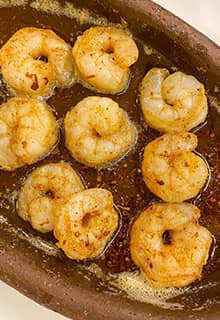
Prawns: an example of an item that may be charged separately from the main course.
 Service, table and cover charges in 2026
According to the Turkish Ministry of Trade’s announcement on 30 January 2026, restaurants, cafés and other food and drink venues may not demand compulsory additional payments described as service charges (servis ücreti), table charges (masa ücreti) or cover charges (kuver), or similar fees. The prohibition applies even if the charge is listed on the menu. If one appears on your bill, ask the person responsible to explain it and review the total. A tip is a voluntary addition that you decide.
Keep the food and drink you ordered and their prices separate from any tip you voluntarily choose. If the bill includes an item you did not order, ask for it to be checked. If you selected an offer including particular items, check that these appear as described and ask about any discrepancy before paying.
 Tipping: ask, then decide the amount
The word bahşiş means a tip, which is voluntary under the Ministry’s announcement. If you wish to add something to thank the staff, first check the total for the items you ordered. Ask how to add your chosen amount and whether it is included in the card transaction or paid separately. State the amount you agree to so the staff member can confirm the transaction total.
Agree within the family who will handle the bill and any tip, especially when several people are splitting the payment. This prevents accidental duplicate tips and keeps things organised. This guide does not prescribe a percentage for every restaurant; base your decision on your experience, the bill’s details and how an additional amount will be handled at the venue.
 Phrases for checking and paying Hesabı alabilir miyiz? — Could we have the bill? Bu kalem ne için? — What is this item for?
 İki içecek sipariş ettik; kontrol eder misiniz? — We ordered two drinks; could you check?
 Bu ek ücret neden yazılmış? — Why has this extra charge been added?
 Kartla ödeyebilir miyim? — Can I pay by card?
 Hesabı ayrı ayrı ödeyebilir miyiz? — Can we pay the bill separately?
Start with the phrase closest to the issue and wait for an explanation, then state what you agreed or what arrived at the table. If language is a barrier, write the quantity beside the item’s name. Figures and the written Turkish name help staff check the order and reduce the chance of accidentally comparing different items.
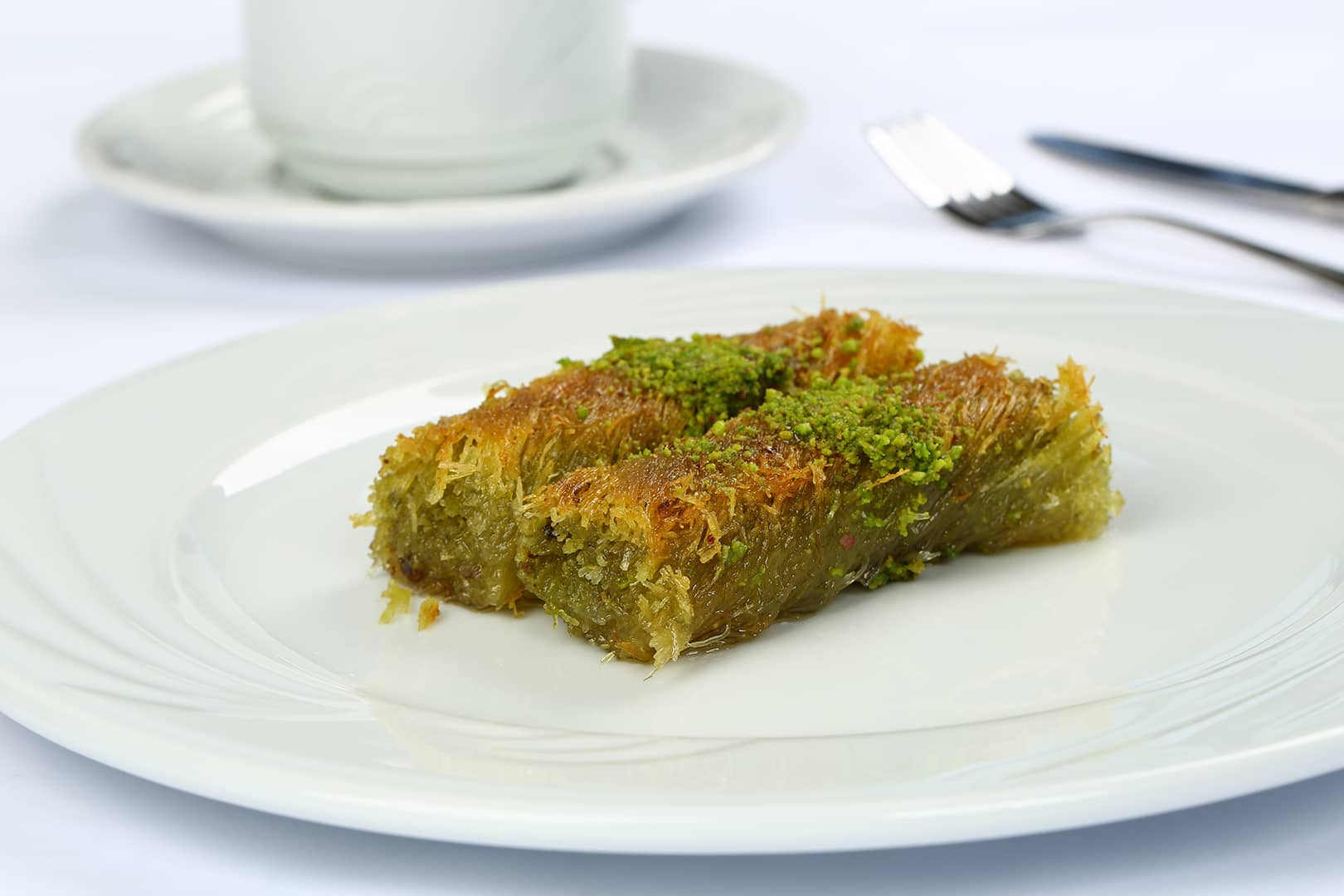
Dessert and a drink: examples of items added to a meal’s bill.
Check the transaction amount and keep the receiptBefore completing payment, check the displayed amount and currency, and ask about any terminal option you do not understand. Compare the figure with the total you agreed, and request confirmation if a voluntary addition has been included. Keep the payment receipt with the bill so you can match the transaction to the meal when reviewing travel expenses. Ask your payment provider about the details of its payment service.
When paying cash, state how much you have handed over and wait for the change, or confirm the tip you intended. When splitting the bill, agree specific amounts and ask staff how they can be processed before starting. One family member can collect the summary while the others check their shares, avoiding a fresh calculation with every payment.
 End the visit pleasantly
Once the bill is clear and payment complete, you can return to your conversation or continue your outing without loose ends. If you enjoyed a dish, note its name, the venue and the portion size; these details are more useful for a return visit than remembering a price alone. A complete experience means knowing what you ordered and paid for, then leaving with good memories of the meal.
 Related Topics
 Fish Restaurants in Türkiye: Choosing the Fish, Weight and Cooking Method
  Terrace Cafés and Views in Türkiye: Choose Your Table and Timing Restaurants and Cafés in Fethiye: The Fish Market and Bayside Tables
  Restaurants and Cafés in Sivas: Köfte, Peskütan and Historic Hans Restaurants and Cafés in Elazığ: Harput Köfte, Orcik and Çedene Coffee
  Reading a Turkish Menu: From Dish Name to a Clear Order
  Comparing Menus and Prices in Türkiye: Calculate the Whole Meal
  Ordering for a Family in Türkiye: Portions, Sharing and Less Waste
  Vegetarian Food and Allergies in Türkiye: Questions to Ask Before Ordering
Last edited: