

- Joined
- Nov 20, 2025
- Messages
- 221
- Reaction score
- 0
- Points
- 16
A lower-priced dish on a menu can make you choose a restaurant immediately, until a drink and salad bring the final meal above another offer that initially looked dearer. A useful comparison starts with what you will actually eat, in what quantity and in what setting. Comparing like components reveals the difference that matters, helping you decide calmly without spending your travel day doing calculations.
 Define the meal you want to compare
Choose a simple scenario before opening menus: lunch for two with two mains, two drinks and a shared salad. Write down what you actually want, then look for it on each menu. If one option includes sides, note them; you may need an addition elsewhere to make a similar meal. Record anything unclear as a question to ask.
Keep numbers and sizes as consistent as possible. A small sandwich and a large sit-down meal serve different purposes, and “mixed” does not reveal the amount of meat or number of items. Ask for a portion description or look at a served example, then decide whether the comparison is useful. Price alone does not explain quantity or the setting you want.
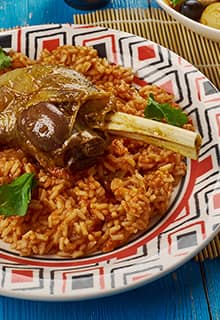
Meat and rice: an illustration for comparing value and quantity.
 A worked comparison using hypothetical figures
The following figures are entirely hypothetical and do not represent current prices or a particular restaurant’s menu. Lira are used only to illustrate the calculation. Suppose option A lists a main at 300, a drink at 60 and a salad at 120. Option B lists a main at 360 including a drink, and a salad at 100. We will compare a meal for two with one shared salad.
| Meal component | Option A | Option B |
|---|---|---|
| Two mains | 2 × 300 = 600 | 2 × 360 = 720 |
| Two drinks | 2 × 60 = 120 | Included in offer = 0 extra |
| Shared salad | 120 | 100 |
| Total for the items | 840 hypothetical lira | 820 hypothetical lira |
Option B totals 20 less for these items, despite the higher listed price for the main. This assumes the included drink suits both diners and the portions are comparable. If you want a different drink at an extra cost, adjust the line before deciding. Do not count complimentary dessert or tea in the comparison until you have confirmed what the offer includes when ordering.
 Check the pricing unit before multiplying
The price beside a dish may apply to a portion, a single item or a particular weight. adet refers to an individual item and porsiyon to a portion, while a weight-based price requires knowing how much you will order. If you see 100 g or a kilogram, confirm what weight will be charged and how it will be explained before preparation. Ask about cooking or accompaniments if their cost is unclear.
For sharing dishes, distinguish a per-person price from a price for the table. The phrase kişi başı means per person and may accompany an offer with a minimum number or other restaurant-specific details. Read the description and ask about children, the number charged and drinks. Request the total for your proposed order before confirming it. This figure gives a clearer comparison when an offer has several sizes and conditions.
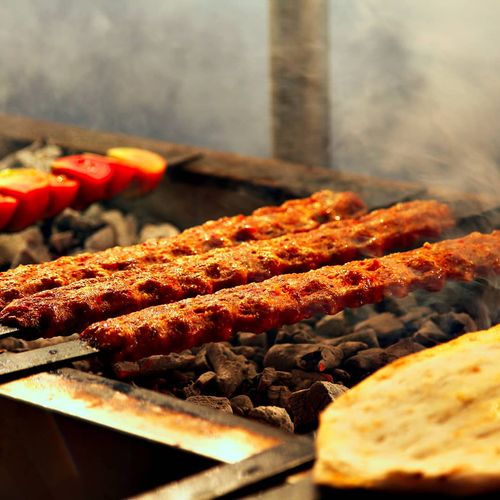
Grilled food: compare the portion and accompaniments before comparing price.
 Add the elements that change the total
Use a simple formula: Meal total = chosen dishes + food and drink extras you ordered at their displayed prices. A tip is voluntary and recorded separately if you choose to give one. According to the Turkish Ministry of Trade’s announcement of 30 January 2026, compulsory service, table, cover or similar additional charges are prohibited; listing them on the menu does not make them payable. Check the water, bread and accompaniments you choose to order, then add the prices of the items themselves.
If ordering through an app, check the item summary, quantities, price after discount and details of your chosen delivery service before completing the order. An offer may require a minimum spend or specific dishes, so read the final summary. Dining out also involves a setting, service and time; assess these yourself when choosing between delivery and going out.
 Quick questions for a clear total
 Bu fiyat kişi başı mı? — Is this price per person?
 İçecek dahil mi? — Is a drink included? Bu ek ücret neden yazılmış? — Why has this extra charge been added?
 Salata ayrı mı ücretlendiriliyor? — Is the salad charged separately?
 Bu siparişin toplamı ne kadar? — What is the total for this order? Fiyat hangi miktar için? — What quantity is this price for?
Show a short list of the number of dishes and drinks and ask for the total. This helps ensure staff calculate the quantities you mean. Once they give a figure, ask about any unclear item rather than repeating a general price question. Compare the answer with the menu displayed at the venue, especially if you began with an old online photograph.
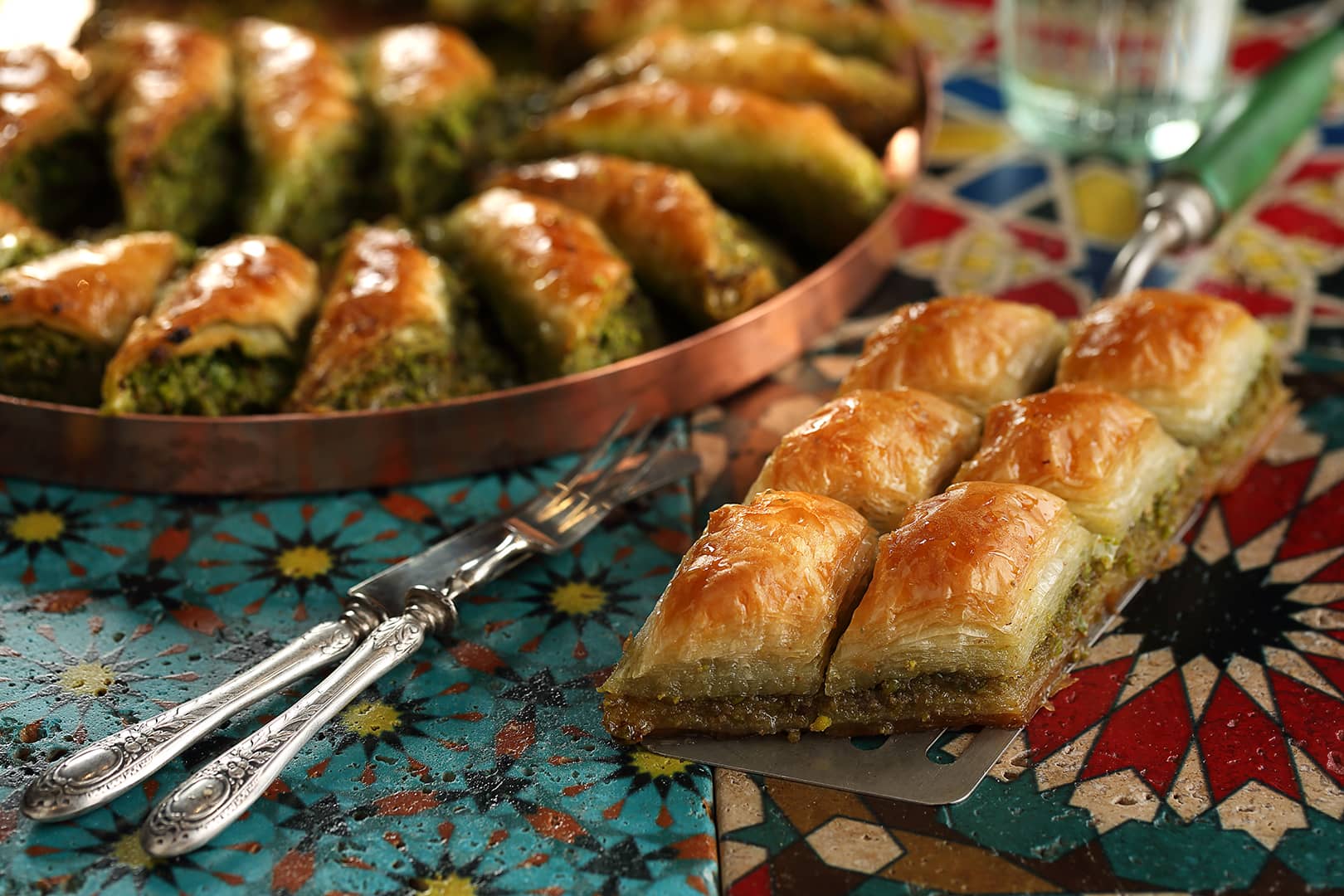
Dessert: an example of a small addition to a meal’s bill.
 Plan the family budget without counting every mouthful
Set a suitable daily amount and divide it around your plans: a main meal, a café break and a small tasting experience. Days with a leisurely breakfast may call for a different lunch from days of continuous walking. Choose food to match actual appetites and leave room in the budget for an extra item if needed. Flexibility makes the plan practical.
Agree what you will share before ordering. One salad and a dessert to taste may please everyone, while some family members prefer their own dish. Make sharing a clear decision and check the portion and venue’s rules. This reduces unwanted leftovers while preserving the pleasure of trying the food you came for.
 Comparing two cafés
Choose the same drink and size, then note any additions: a different milk, flavouring, dessert or water. After calculating the order, consider the setting you need. A quick coffee before a bus differs from an hour chatting with a view. Ask about reservations and what your chosen items and offers include. A café’s value to you includes how well it suits your planned break.
At the end of the day, keep two or three notes about the order and total rather than building a permanent price list from one visit. Prices and offers change; learning the comparison method is more useful. Once you understand the pricing unit, portion contents and total for your order, you can use a new menu confidently and spend the rest of your time enjoying the trip.
 Related Topics
 Fish Restaurants in Türkiye: Choosing the Fish, Weight and Cooking Method
  Terrace Cafés and Views in Türkiye: Choose Your Table and Timing
  Restaurants and Cafés in Ankara: The Capital’s Flavours and Places to Sit
  Restaurants and Cafés in Bodrum: Aegean Flavours by the Bays
  Restaurants and Cafés in Denizli: Kebab and Tavas Sweets
  Reading a Turkish Menu: From Dish Name to a Clear Order Ordering for a Family in Türkiye: Portions, Sharing and Less Waste
  Vegetarian Food and Allergies in Türkiye: Questions to Ask Before Ordering Restaurant Bills, Service and Tips in Türkiye: Paying with Confidence
Last edited: