

- Joined
- Nov 20, 2025
- Messages
- 221
- Reaction score
- 0
- Points
- 16
You arrive at a café after seeing a wonderful panoramic photograph, only to find your table behind glass, the sun in your eyes or the attractive seat uncomfortable for a long conversation. The photograph showed the scene but not the experience of sitting there. Choose a terrace café by asking about the table you will use, what you can see while seated and the timing that suits your visit.
 Sum up the purpose of your visit
Do you want a coffee with a view, a full meal, a quiet conversation or photographs of the changing city light? Each calls for a different table, length of stay and order. For a short break between sights, check access and waiting time. For an evening out, make sure the seat, table and menu suit the time you hope to spend.
Some Istanbul terraces overlook the Bosphorus, Golden Horn or historic skyline, offering different views. Nearby water, an elevated panorama and a landmark between buildings make different pictures. Choose something specific you want to see rather than relying on “a view”, so you can ask the café a precise question.
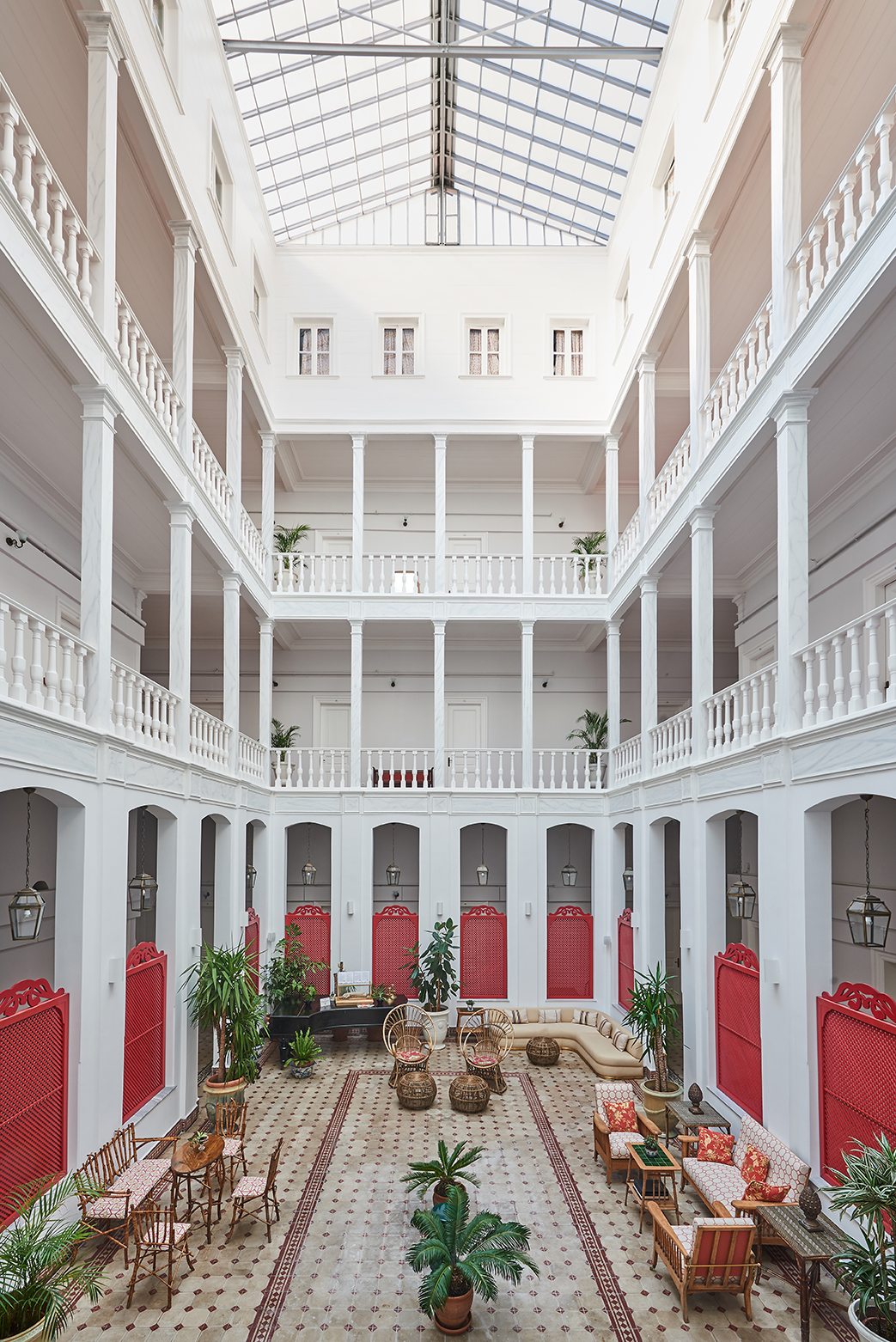
An indoor courtyard setting: check seat comfort and ventilation when choosing a sheltered alternative.
 The view from your seat
A terrace may look open from the photographer’s angle, while tables, plants or umbrellas obscure part of the scene when seated. Ask whether the reserved table directly faces the view and whether the reservation guarantees a particular position or only an arrival time. If a front table has conditions or a minimum order, request details before confirming.
On arrival, sit briefly before moving all your belongings. Can you see the view at seat height? Must you keep turning around? Is there a nearby speaker or service aisle? A small change of position may make the family more comfortable than sitting closest to the edge.
 Choose light that suits your visit
Daylight helps reveal distant detail when visibility and weather allow; the period near sunset changes the colours, while night brings lights and building silhouettes. These describe different experiences, without guaranteeing every view is best at sunset. The table’s direction, surrounding buildings and clouds affect the result.
To watch the light change, arrive with time to go upstairs, sit and order before your chosen moment. Check sunset time for the day of your visit rather than relying on a time remembered from another trip. For a landmark photograph, ask which way it faces relative to the terrace: its façade may be dark just when you like the sky.
 Compare the seating options
| Setting | What it offers | What to check |
|---|---|---|
| Open terrace | Direct contact with the air and scene | Shade, wind and a rain alternative |
| Terrace behind glass | More protection from some weather conditions | Reflections and clarity of the view |
| Table near the front | Often a closer view with fewer obstructions | Limited space and reservation conditions |
| Indoor table with a view | A more sheltered setting, depending on the venue | Can you actually see the view from the seat? |
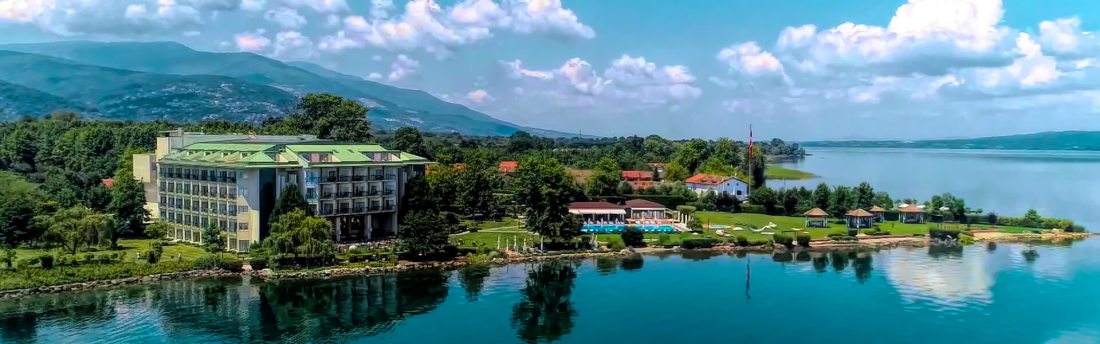
A waterside scene in Sapanca: an illustration of lakeside views.
 Weather affects the table too
A breeze that feels pleasant while walking can become inconvenient when eating or keeping napkins on the table. Check whether there is an indoor alternative, whether the booking can move there if the weather changes and what happens if the terrace closes. An umbrella may provide shade without protecting against rain or wind from every direction.
Behind glass, indoor lights may reflect in photographs after dark. If photographs matter, seek an angle without a direct lamp reflection and follow the venue’s instructions without rearranging furniture. For a long conversation, prioritise comfort and ventilation as well as a view you might stand to photograph for a few minutes.
 A menu that suits your time at the table
Check drink sizes and presentation, and whether drinks-only visits are possible at your chosen time. Some terraces operate as restaurants for part of the day; asking early clarifies the service, reservation and expected order. For Turkish coffee, state your sugar preference when ordering. Choose tea or other drinks according to the group’s tastes.
Agree on a shared dessert if you want a taste, and ask about size and ingredients before ordering. One menu name can refer to a small individual serving or a large dish. After a substantial lunch, drinks may be enough to enjoy the view without adding more food to the break.
 Check access and comfort
For families, ask about lifts and stairs from the entrance to the table, space for a pushchair and toilets. “There is a lift” does not explain whether steps come before or after it. Anyone needing step-free access should request a description of the whole route from the street to the seating area.
Choose a table with comfortable space to move, inspect barriers directly and keep children close. If quiet matters, ask about music and events at your intended time. If someone is bothered by smoke, check the actual seating location and table arrangement; a café photograph does not reveal these details.
 Questions to clarify your reservation
 Manzaralı bir masa ayırabilir miyiz? — Could we reserve a table with a view? Bu masa rezervasyona dahil mi? — Is this table included in the reservation? Sadece içecek sipariş edebilir miyiz? — Can we order drinks only?
 Yağmur olursa kapalı alan var mı? — Is there an indoor area if it rains?
 Girişten terasa kadar asansör var mı? — Is there a lift from the entrance to the terrace?
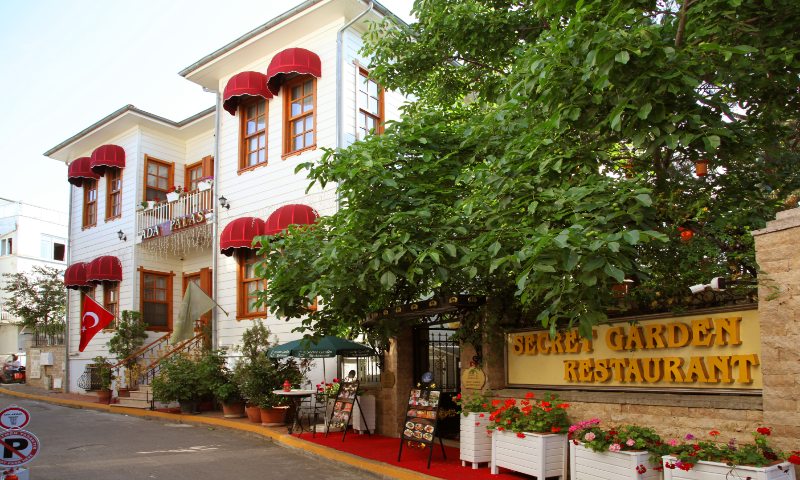
A restaurant entrance and garden: access and shade are details to consider when choosing a setting.
 An example of an enjoyable visit near sunset
Choose a scene you want to see, then ask about the table and service. Check weather and sunset time, and arrive early enough to sit without rushing. Order to suit your appetite, take a photograph when the light appeals, then put the phone down and watch the city change. If weather obscures the view, use the agreed indoor alternative or choose another time that fits your plans.
The best memory may be a relaxed conversation with the city’s sounds and a good coffee. Careful choices of table, timing and menu turn a beautiful picture into a break everyone can enjoy.
 Related Topics
 Menus and Meal Budgets Family Orders and Shared Portions Bodrum Restaurants and Aegean Flavours Eskişehir Restaurants and Porsuk Isparta Food and Lakes Everyday Lokantas Ocakbaşı Grills Choosing Fish, Weight and Cooking A Three-Stop Food Walk
Last edited by a moderator: