

- Joined
- Nov 20, 2025
- Messages
- 221
- Reaction score
- 0
- Points
- 16
You enter a small restaurant and see lentils in a pot behind glass, a tray of köfte with vegetables and steaming rice. It looks simple: point and eat. The pleasure of an everyday lokanta begins when you understand how to build a meal from those trays. You can try something beyond grilled food, closer to home cooking, without filling the table with five similar dishes.
 What does esnaf lokantası mean?
The name is associated with everyday restaurants serving market traders and workers, known for cooked food selected from trays and pots. Some display the food in front of you; others bring the day’s menu to the table. Trays do not necessarily mean self-service. Wait for staff guidance and ask where to order and pay. Not every place called a lokanta follows the same system.
Ask what is available today, as the printed menu may be broader than the dishes actually prepared. Look over the selection once before choosing: where are the protein, vegetables and grains? A brief look helps avoid choosing rice, pasta and potatoes together simply because they seem familiar.
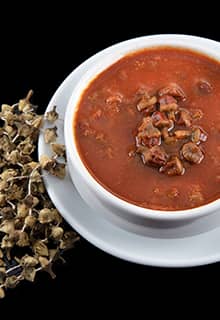
Okra soup: an example of the variety of everyday Turkish dishes.
 Understand the tray before pointing to it
Red sauce alone does not establish how spicy a dish is, and visible vegetables do not prove it is meat-free. Minced meat may be in a filling, rice cooked in stock or butter added to a simple-looking dish. State exactly what you need to know: meat type, dairy, seasoning or cooking method. A clear question is quicker than guessing from sauce colour.
Dish names provide a starting point: çorba means soup, sulu yemek refers to dishes in sauce or broth, pilav to rice or bulgur according to the dish, and zeytinyağlı to dishes prepared with olive oil. These words suggest the style; staff confirm the actual ingredients. Ev yemekleri means home-style food, without defining a single recipe or standard quantity.
 Three elements to simplify lunch
Build around one main dish and add what complements it. If choosing beans in broth, ask whether they contain meat before adding another meat dish. Köfte with potatoes might need only vegetables or salad rather than a full plate of rice. This is a flexible approach: give each addition a clear purpose.
| What you see | What to confirm | How to complete the meal |
|---|---|---|
| Köfte with vegetables | Meat type and accompaniments | Salad or a little grain-based side |
| Beans or chickpeas in broth | Meat content and portion size | A little rice if wanted |
| Stuffed vegetables | Filling and whether priced per piece | Soup or a contrasting side |
| Vegetables in olive oil | Ingredients and serving temperature | A main chosen to suit your appetite |
 Agree on smaller portions
You may hear az, meaning a little, or yarım porsiyon, meaning half a portion. Ask for the option, then check availability and pricing; combining two dishes on one plate does not necessarily cost the same as one dish. Some venues charge for each choice, some offer a set meal, and some sell particular items by piece.
For tasting, explain at the outset that you want small amounts of two dishes and ask for the total before serving. Choose bread, soup and drinks deliberately. Ask whether something brought to the table is included or an extra, especially when comparing venues.
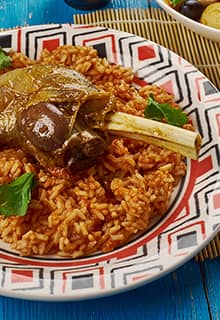
Meat and rice: an illustration of building a complete meal.
 Turn the display into a clear order
Imagine lentil soup, köfte with vegetables, rice, beans and a milk pudding. For a moderate lunch, one person might choose köfte, ask how many vegetables accompany it and add rice only if needed. Someone exploring pulses might choose beans after checking the ingredients, with a suitable amount of rice. Soup could be a shared starter if the serving allows.
You need not order all four trays to show you have tried local food. Tasting two dishes calmly lets you notice the grains’ texture, balance of the broth and vegetable cooking. Too many dishes can blur the flavours and delay your return to sightseeing.
 A clear family order
Start children with a dish whose ingredients they understand, then offer a taste of something new with their agreement. Ask for sauce or chilli separately if possible and check the food’s temperature when served. A familiar name does not guarantee mild seasoning; even köfte and rice vary between kitchens.
Before joining the queue, agree the meals and nominate one person to ask staff. For an allergy, name the ingredient clearly and ask whether it can be avoided and how food is prepared; removing a visible garnish is not enough. A table suitable for a pushchair and a nearby toilet may matter more to a family than the range of trays.
 Short questions for the day’s dishes
 Bugün hangi yemekler var? — Which dishes are available today? Bunun içinde et var mı? — Does this dish contain meat?
 Acı mı? — Is it spicy? Yarım porsiyon mümkün mü? — Is half a portion possible?
 Bunların toplam fiyatı ne kadar? — What is the total price for these dishes?
Mantı: an example of a dish ordered in a specified portion.
 Fit lunch into the day
Choose a place near your outing and ask about available dishes and that day’s service times before sitting down. Do not assume a fixed hour or that every tray will remain until evening. After lunch, a walk and tea break may be enough; choose dessert later when you know your appetite.
Remember the name of a dish you enjoyed and ask permission to photograph it on the menu if needed. The next day, that name can lead you to another version, letting you compare ingredients and textures rather than repeatedly searching for a “local restaurant”. You learn how a kitchen prepares its everyday meal and leave knowing what you ate and why you chose it.
 Related Topics
 Reading a Turkish Menu: From Dish Name to a Clear Order Comparing Menus and Prices in Türkiye: Calculate the Whole Meal Restaurants and Cafés in Ankara: The Capital’s Flavours and Places to Sit
  Restaurants and Cafés in Konya: Etli Ekmek and Oven Kebab Restaurants and Cafés in Malatya: Apricots, Kağıt Kebabı and Cherry-Leaf Sarma
  Ocakbaşı Restaurants in Türkiye: Grills and Fireside Seating
  Fish Restaurants in Türkiye: Choosing the Fish, Weight and Cooking Method
  Terrace Cafés and Views in Türkiye: Choose Your Table and Timing
  A Self-Guided Food Walk in Türkiye: Three Stops for an Enjoyable Day
Last edited: