

- Joined
- Nov 2, 2025
- Messages
- 282
- Reaction score
- 0
- Points
- 16
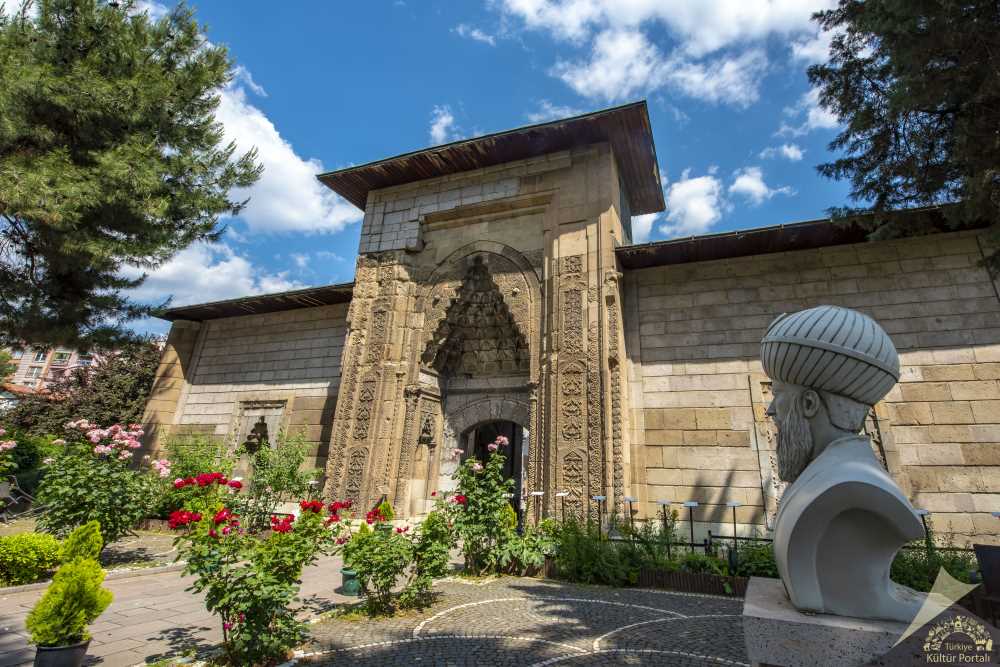
Sabuncuoğlu Museum of Medical and Surgical History in Amasya's historic hospital.
Amasya preserves a varied heritage in its museums and former religious, educational and medical institutions. These complement the river, houses and tombs, revealing the lives of residents and the city's institutions across the centuries. The archaeological museum, Bimarhane and Sultan Bayezid II complex offer three ways into this history: objects recovered from the ground, a building associated with medicine, and a complex combining worship, education and social services within one urban setting.
 The Archaeological Museum and Layers of Civilisation
Amasya Museum displays objects from many periods, beginning in prehistory and continuing through the Bronze Age and the Hittite, Phrygian, Pontic, Roman, Byzantine, Seljuk and Ottoman eras. This sequence places the city's monuments within a broader chronology. The rock-cut tombs represent one stage in a long history, while tools, vessels and coins illuminate daily activity, trade and production.
Well-known exhibits include mummies associated with Ilkhanid rule and a Roman mosaic depicting an apple tree. These provide specific examples within the wider history, revealing differences in burial customs, decoration and artistic representation. Smaller exhibits complement the monuments standing in the streets: the past survives in everyday objects as well as major buildings.
 The Bimarhane and Medical Heritage
The Bimarhane, also known as the Darüşşifa, was built in 1308–1309 during the Ilkhanid period. Its stone façade and decorated portal feature geometric and vegetal ornament, carved capitals and muqarnas. Its significance encompasses medical care and institutional architecture, with its rooms and layout reflecting the place of treatment within the city's educational and social life.
The site is associated with the physician Sabuncuoğlu Şerefeddin and the medical heritage presented in the museum dedicated to him. Manuscripts, instruments and historical approaches to treatment, including the use of music, help explain this tradition. The displays document how medical tools and ideas changed over time. Their uses belong to their historical context when comparing earlier knowledge with modern medicine.
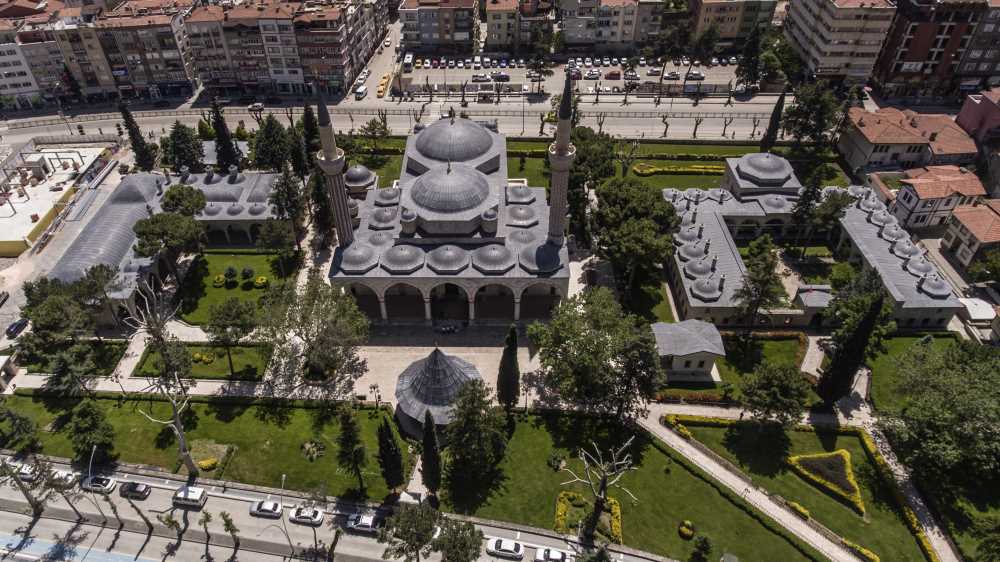
Sultan Bayezid II Mosque within its historic complex in Amasya.
 The Sultan Bayezid II Complex
Built in the late fifteenth century on the orders of Sultan Bayezid II, the complex includes a mosque, medrese and charitable kitchen associated with services to the community. Bringing these functions together illustrates the meaning of an Ottoman külliye: worship, education and support for those in need stood alongside one another within an institution with its own architectural and economic organisation.
The mosque has several domes, interior decoration and wooden window fittings, while the shafts of its two minarets are treated differently. The courtyard, fountain and trees provide an open setting for the stone building. Notable details include the assembly of geometric wooden pieces and painted decoration completing the arches and domes. They reveal the variety of craftsmanship within the building beyond its size and overall appearance.
 Museums of Civic Memory
Other city museums add different perspectives. The Princes' Museum explores Amasya's role in the upbringing of Ottoman princes, while Miniature Amasya Museum presents a model of the city at the beginning of the twentieth century. These displays explain the old townscape, the relationship between neighbourhoods, bridges and river, and buildings that formed part of civic life before modern expansion.
Historic schools and other buildings in the centre reflect the influence of education, administration and the arts. Considering museums alongside the original buildings connects objects with their context: medical instruments with the hospital, urban models with surviving houses, and the princes' history with institutions of government and education. These relationships make Amasya's history a network of places, functions and people.
 Practical Notes
Check museum hours and gallery access before visiting, as maintenance may affect arrangements. Follow photography rules and avoid flash near sensitive objects. The Bayezid complex includes an active mosque: respect prayer times and worshippers' privacy. Exhibit labels help identify the date and purpose of individual objects.
 Related topics
 - Amasya 2026: The Yeşilırmak River, Yalıboyu Houses and Harşena Castle
- Merzifon and Gümüşhacıköy 2026: Heritage and Countryside
- Lake Boraboy, Taşova and Suluova 2026: Water and the Plains
- Tokat 2026: The Castle, Gök Medrese, Taşhan and Historic Houses
- Niksar, Erbaa and Reşadiye 2026: Valleys and Heritage
- Zile, Turhal and Pazar 2026: Castles and Ballıca Cave
- Çorum 2026: Hattuşa, Alacahöyük and Hittite Museums
- Küre Mountains and Pınarbaşı 2026: Horma Canyon, Valla Canyon and Ilıca Waterfall
- The Kastamonu Coast and Daday 2026: İnebolu, Cide and Abana
Last edited by a moderator: