

- Joined
- Nov 20, 2025
- Messages
- 221
- Reaction score
- 0
- Points
- 16
In Van, breakfast may become the day’s most important appointment: small dishes invite comparison, bread arrives at the table, and tea accompanies a long conversation. Yet the pleasure comes from more than the number of plates. It lies in knowing what deserves a bite of its own, what suits sharing and what to save for another meal. Allow a comfortable time for breakfast, then leave part of the day for the city and lake. You will discover Van’s distinctive flavours and leave the restaurant ready to explore.
 The Van Breakfast Table: Know What Is Included
Familiar components of a Van breakfast include the herbed cheese Otlu Peynir, honey, kaymak cream, butter, eggs and jams, with local dishes such as Murtuğa and Kavut. Lavash bread and samovar tea may accompany them. Use these names as a guide to what to look for, then check the venue’s menu: “Van breakfast” alone does not guarantee every item or the same quantities.
Before sitting down, ask whether the order is priced per person or per table, which hot dishes are included and whether other items cost extra. For a family, explain the numbers of adults and children and how you intend to share, then ask for the final price on that basis. These few minutes make breakfast calmer: you know what will arrive and what needs adding, and can enjoy the food without a surprise bill.
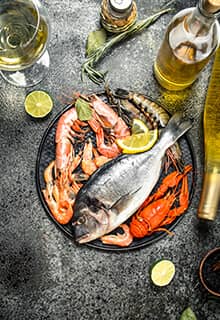
An illustrative photograph of fish and seafood served in Turkish cuisine
 Herbed Cheese: Taste the Flavour behind the Name
Otlu Peynir gives the table a distinctive character. Begin with a small piece on its own, then try it with bread; notice how the herbs come through differently in a combined bite. If several cheeses are offered, ask for their names so you can distinguish them. Compare one at a time instead of putting them all in a single sandwich.
If you are considering buying cheese, ask about storage, packaging and a suitable transport time for your chosen product. Carrying a small piece on the day you return may be more practical than buying a large amount at the start of the trip. Anyone who prefers a milder flavour can try another cheese on the table. The aim is for each person to find something they enjoy and try a comfortable amount of the local speciality.
 Murtuğa and Kavut: Tell the Dishes Apart
Murtuğa is made from flour browned in butter with eggs and served hot. Meanwhile, Kavut uses roasted, ground wheat mixed with fat, with honey or rose jam as optional additions. The shared presence of grain does not make them taste alike: one offers a hot flour-and-egg dish, while the other draws attention to roasted wheat and your chosen topping.
Begin with a little of each, giving the hot dish priority before it cools. If the sweet topping is separate, taste kavut first, then add a little to see how it changes the bite. There is no need to fill your plate immediately. Small tasting plates make sharing easier and stop the differences being lost under honey, jam and cheese all at once.
 How to Arrange Your Breakfast Tasting
| Item | What you discover | A useful way to taste it |
|---|---|---|
| Herbed cheese | The cheese and herb flavours | A piece on its own, then with bread |
| Murtuğa | Browned flour, butter and eggs | A small amount while hot |
| Kavut | Roasted, ground wheat | A little first, then a sweet topping |
| Honey and kaymak | Contrasting sweetness and texture | A modest amount after the savoury dishes |
 Families: Make Sharing Clear
Put small plates around the table and use serving utensils for shared dishes. If a child is waiting for eggs, ask when they will arrive rather than leaving them without suitable food while everyone else starts. For anyone who dislikes herbs or sweet flavours, identify a simple alternative before the table is complete. Breakfast need not depend on everyone liking the same dish.
If an ingredient matters to someone’s dietary needs, name it and ask the kitchen to check. The local description of murtuğa includes eggs, flour and butter, while cheese and kaymak are dairy products. Translating a dish name alone does not explain its ingredients. A clear question about what is being served is more useful than guessing from its appearance.
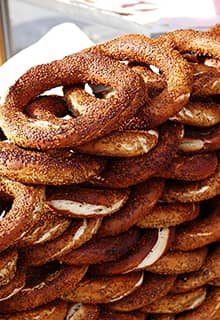
An illustrative photograph of simit among the breads of a Turkish breakfast table
 Van after Breakfast: The Lake’s Flavours
One regional dish is Van fish, Van Balığı, known in Turkish as İnci Kefali. The local guide describes cooking it in a tandır oven and serving it with spring onions and ayran. If you want to try it, check availability and the cooking method actually offered, and ask whether the fish is served whole or in a set portion. A photograph in a guide is not a guaranteed daily menu.
If you are exploring the lake area, fit a fish meal into that day if you find somewhere that suits your route and timing. After a long, substantial breakfast, a smaller evening meal may be more comfortable. Once the fish arrives, allow time to deal with bones and share calmly, especially with children at the table. Combine food and scenery in a workable plan; you might enjoy the view at one stop and eat at another.
 Seating and Views: Check the Comfort
When choosing a café or breakfast near the lake, ask which seating is available instead of relying on an old photograph of the view. Check the direction of the sun, shade, breeze and table position. Make sure children have comfortable seats and there is room to move through the aisle. For a long break, drinks everyone enjoys and clear service arrangements matter more than ordering enough to cover the table.
Do not assume the lakeshore, a café and another visit will automatically fit into one hour. Include travel and waiting in your plans, and choose one main food stop within that part of the day. This gives you time to enjoy breakfast or fish without rushing into another order before finishing the first.
 Ask Clearly before the Dishes Arrive
 Kahvaltıda neler var? — What is included in breakfast?
 Fiyat kişi başı mı? — Is the price per person?
 Sıcak yemekler dahil mi? — Are hot dishes included? Murtuğa ve kavut var mı? — Do you have murtuğa and kavut? Balık nasıl pişiriliyor? — How is the fish cooked?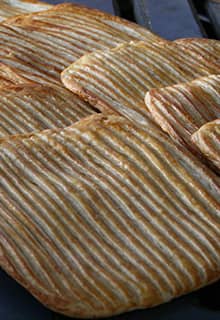
Honey at breakfast: an illustrative photograph of its presentation
 Two Routes to Suit the Length of Your Stay
On a short visit, make Van breakfast the focus of your food plans: herbed cheese, a little murtuğa and kavut, then honey or jam with tea. Leave time afterwards to explore, and choose a later meal sized to suit what you have eaten. If staying for two days, dedicate one morning to breakfast and try lake fish on another day. Note the names of dishes you enjoyed. Van offers a generous range, and the best memories often come from knowing what you are eating and why you chose it.
 Related Topics
  A Self-Guided Food Walk in Türkiye: Three Stops for an Enjoyable Day
  Terrace Cafés and Views in Türkiye: Choose Your Table and Timing
  Reading a Turkish Menu: From Dish Name to a Clear Order
  Vegetarian Food and Allergies in Türkiye: Questions to Ask Before Ordering Restaurants and Cafés in Erzurum: Cağ Kebabı and Tea Traditions Restaurants and Cafés in Kars: Cheese, Goose and Highland Flavours Restaurants and Cafés in Malatya: Apricots, Kağıt Kebabı and Cherry-Leaf Sarma Restaurants and Cafés in Elazığ: Harput Köfte, Orcik and Çedene Coffee
  Restaurants and Cafés in Datça: Almonds, Honey and Fish
Last edited: