

- Joined
- Nov 2, 2025
- Messages
- 282
- Reaction score
- 0
- Points
- 16
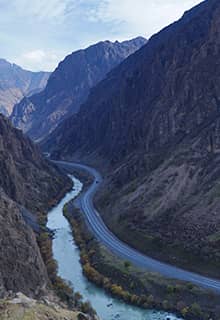
The Zab River flowing between the mountains of Hakkâri.
The Zab creates some of Hakkâri's most striking scenery, running through deep valleys beneath rocky mountains. Explore the valley on a sightseeing drive with planned stops, or join an organised river activity if a suitable trip is operating during your visit.
Decide what kind of day you want before setting out. Taking photographs from viewpoints and rafting on the river require different arrangements. Treating them as separate options makes it easier to plan your time, equipment and transport, and avoids combining activities that do not suit everyone in your group.
 The river and the mountains
The Zab, also known locally as the Zap, is Hakkâri's largest river. It flows broadly south through the province and eventually joins the Tigris south of Mosul. Rain, snowmelt and glacial meltwater feed it, so conditions change with the seasons; water levels generally rise in spring and early summer.
The interaction between water and terrain continually changes the appearance of the valley. Study the banks and mountain slopes from a stable viewpoint, and only approach the water where local instructions allow. A peaceful photograph cannot show the strength of the current or the difficulty of the riverbank.
 A well-planned sightseeing trip
Allow for two or three stops chosen with a driver who knows the road, leaving time for food and a rest. Use places where you can pull over without obstructing traffic. However tempting the view from the car, every bend is not a suitable place to stop for photographs.
Start with a wide view showing the river within its valley, then photograph details of the rocks and vegetation from the same position. Recording the time and location of your pictures can help you remember each stop. There is no need to descend an undeveloped bank or cross a busy road to capture the landscape.
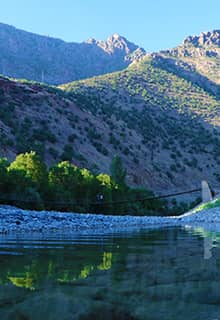
A view into the deep terrain of the Zab Valley.
 Plan rafting as a separate activity
Suitable stretches of the Zab offer opportunities for rafting and kayaking, but this does not mean a trip is available every day. Before booking, ask a specialist organiser whether trips are actually running, which route they use, how long it takes and what participants need to be able to do.
Explain your experience and who is travelling with you. Check that the trip includes appropriate guides and equipment, together with transport back from the finishing point. Do not enter the river or hire a boat informally because you have seen an earlier trip: the decision depends on river conditions and the arrangements available when you visit.
 Fitting the valley into your itinerary
If you are travelling between Hakkâri and Çukurca, ask about a specific stop that fits your direction of travel. Arrange a longer valley excursion separately, and establish the actual driving time rather than relying solely on the distance shown on a map.
Agree meeting points and return arrangements with your driver, and leave a margin for changes in the weather or road conditions. If time is short, concentrate on one main viewpoint. A comfortable stop gives you more opportunity to appreciate the landscape than a succession of hurried visits.
 Enjoy the valley responsibly
Bring water and other essentials, take your rubbish away, and stay within areas open to visitors. Do not enter private land in search of a camera angle. Respect local instructions and any route restrictions. A rewarding visit combines time to see and understand the valley with clear, comfortable arrangements for your return.
 Related Guides
 - Çukurca 2026: Stone Houses and Local Tahini
- Cilo and Sat 2026: Glaciers and High Mountain Lakes
- Yüksekova 2026: Highland Plain, Pastures and Local Cheese
- Derecik 2026: Rural Life and Balkayalar Mountain
- Şemdinli and Nehri 2026: Kayme Palace and the Stone Bridge
- Hakkâri 2026: Meydan Medrese, Stone Architecture and Kilims
- Merga Bütan 2026: Planning a Ski Day in Hakkâri
- Erzurum: The Historic Capital of Eastern Türkiye
- Van: The Pearl of the East and Its Legendary Lake