

- Joined
- Nov 2, 2025
- Messages
- 282
- Reaction score
- 0
- Points
- 16
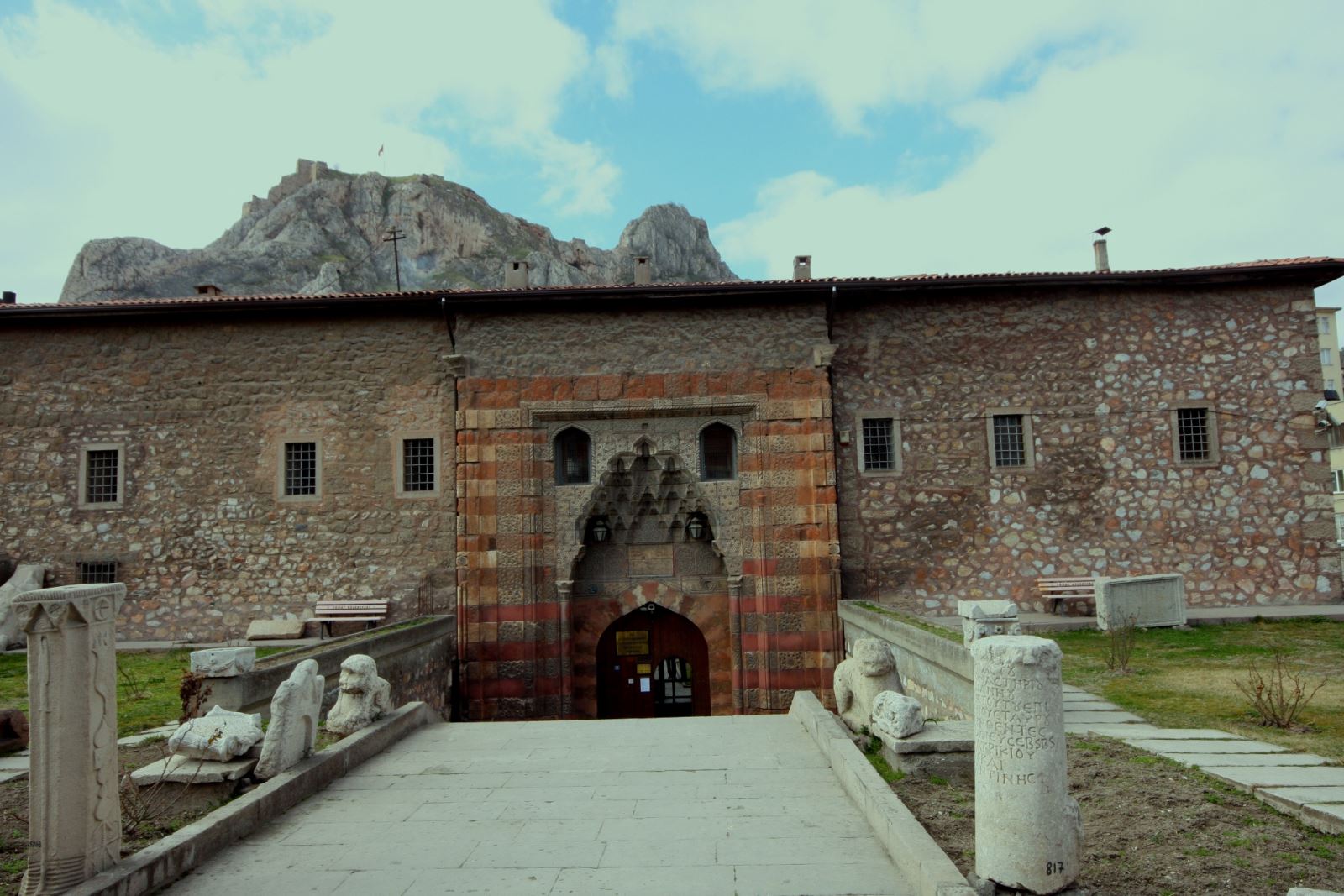
The historic façade of Gök Medrese, the Blue Medrese, in Tokat.
Tokat is an inland city in the Black Sea region, distinguished by the concentration of historic architecture in its centre and its connections with the surrounding valleys and agricultural plains. The castle rises above the town, while Sulusokak and neighbouring areas preserve mosques, medreses, caravanserais, bathhouses and old homes. These buildings reflect the city's place in trading and scholarly networks, showing how its functions developed through successive periods of defence, education, commerce and domestic life.
1.
 The Castle and Its Inland Setting
Tokat Castle stands on a prominent rocky outcrop above the city, its position demonstrating the importance of overseeing the town and surrounding routes. Successive civilisations and powers shaped the region, leaving layers visible in its monuments and remains. The city also belongs to the Behzat valley and the wider Yeşilırmak river system, combining a defensible high point with urban areas connected to water and the plains.
Beyond the centre, a varied countryside of villages, fields, slopes and woodland helps explain Tokat's role as a hub for agricultural production and exchange with other towns in the province. Bridges and public buildings complete the picture, connecting each monument to its function within a wider urban network. The castle and market are integral parts of that setting.
2.
 Gök Medrese and the Heritage of Learning
Gök Medrese, or the Blue Medrese, is a major monument associated with the Seljuk period. Its history encompasses education and medical care, and other local names reflect its former functions. The stone façade, entrance and decoration demonstrate the architectural prominence that medreses and hospitals could command within a city.
Tokat's heritage also includes Yağıbasan Medrese and other buildings reflecting scholarly and religious activity, alongside later Ottoman architecture. Their proximity conveys the continuing development of the city's institutions over the centuries. Differences in materials, decoration and spatial arrangement reveal the period and purpose of each building, while repairs may have added later layers to the original fabric.
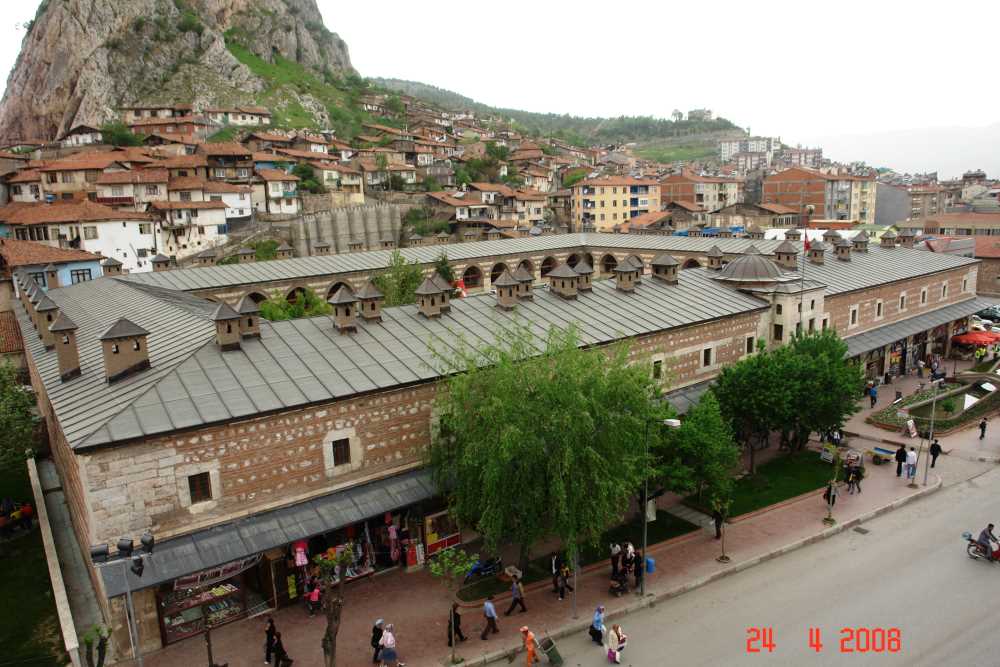
Taşhan, the stone caravanserai in Tokat's historic centre.
3.
 Taşhan and the Historic Markets
Taşhan, also known as Voyvoda Han, is a seventeenth-century Ottoman building with an open courtyard, two storeys and arcades surrounding its rooms. Entrances, chambers and the positions of shops reveal its commercial, storage and business functions. Its stone construction connects it with the civil architecture of Anatolian caravanserais. The relationship between the courtyard, arcades and outer façades shows how movement was organised between the interior and the street.
Arastalı Bedesten in Sulusokak preserves another aspect of the city's commercial heritage. It houses Tokat Museum, which moved here from Gök Medrese. The collections include antiquities, coins, utensils and local crafts, including copperwork, textiles and fabric printing. They add substance to the former commercial building and connect its products and crafts with the history of Tokat's people.
4.
 How the Historic Buildings Differ
| Landmark | Period or structure | Function and features to notice |
|---|---|---|
| Gök Medrese | Seljuk heritage; stone façade and entrance | Associated with education and medical care; examine the decoration and arrangement of spaces. |
| Taşhan | Seventeenth century; two storeys and a courtyard | An Ottoman caravanserai for commerce and storage; study the arcades, rooms and connection to the street. |
| Latifoğlu Mansion | Two storeys; timber frame and earthen infill | Domestic architecture; woodwork, plaster, ceilings and cupboards, once interior visits resume. |
| Sulusokak | A fabric of religious, commercial and residential buildings | Compare materials and uses; some houses are occupied homes rather than public museums. |
5.
 Latifoğlu Mansion and Domestic Architecture
 Access to Latifoğlu Mansion: The Ministry of Culture and Tourism lists the entire mansion as closed from 12 September 2026 for maintenance and repairs until the work is completed, with no fixed reopening date. Do not plan on entering its rooms or seeing its indoor displays; confirm reopening before making a dedicated visit. The mansion is a different establishment from Tokat Museum in Arastalı Bedesten, and its closure does not establish that the latter museum is closed. Tokat Atatürk House and Ethnography Museum: The Ministry also lists this establishment as entirely closed from 15 September 2026 for maintenance until works are completed, with no fixed reopening date. It is separate from Latifoğlu Mansion and Tokat Museum in the bedesten; check each establishment by name before adding it to your itinerary.
Latifoğlu Mansion is a richly detailed example of a traditional Tokat house. It has two storeys, a timber frame with earthen infill, a courtyard and pool, and rooms arranged around an internal circulation space. Carved wood, plasterwork and painted decoration on ceilings, doors and cupboards demonstrate the skill of its craftspeople and the place of the home in urban life.
Rooms served different purposes, from family activities to receiving guests. The house museum preserves objects and clothing that help bring this life into focus. Historic streets and other houses broaden the picture beyond the grandest residences. The contrast between the caravanserai's stone, the house's timber and the medrese's decoration shows how different architectural traditions met within one centre to serve trade, education and family life.
6.
 Tokat City and Its Wider Province
Tokat city belongs to a wider province that includes Niksar, Erbaa, Reşadiye, Almus and other towns. Niksar Castle is another example of fortification within the province, but it is not Tokat Castle overlooking the city centre. Check each landmark by its own name and distinguish a walk through the historic centre from excursions to provincial towns: the rural sites do not all lie within one walkable area.
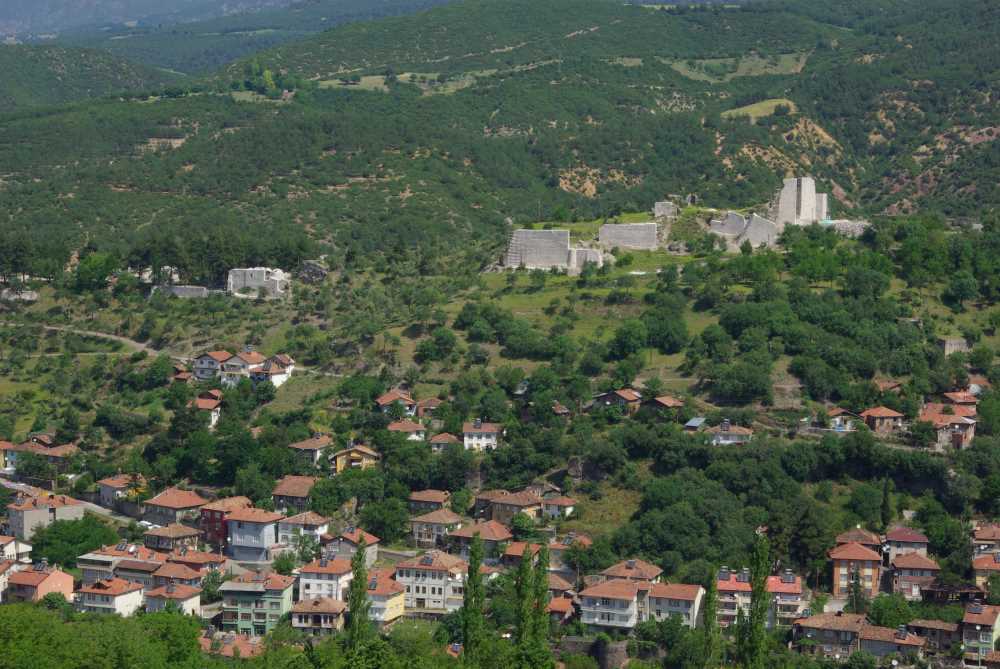
The walls of Niksar Castle in Tokat province, a different monument from Tokat Castle in the city centre.
7.
 Practical Notes
The provincial culture directorate currently lists Tokat Castle as closed for restoration; check the position before attempting to enter. Access to rooms in museums and caravanserais varies, and visitors should follow photography rules and respect prayer times. Stay on open routes in old neighbourhoods and respect private homes and monuments undergoing maintenance.
8.
 Choosing Sites by Access
| Site | Access position | Practical decision |
|---|---|---|
| Tokat Castle | The culture directorate announces a restoration closure | Seeing its position from the city does not mean that climbing the castle is permitted. |
| Latifoğlu Mansion | Entirely closed from 12 September 2026 until works finish | Confirm reopening before planning to enter its rooms or displays. |
| Tokat Atatürk House and Ethnography Museum | Entirely closed from 15 September 2026 until works finish | Confirm reopening of this establishment separately |
| Tokat Museum in Arastalı Bedesten | A different establishment from Latifoğlu Mansion | Check museum hours and gallery access separately from the mansion closure. |
| Gök Medrese and Taşhan | Access and the use of individual spaces may vary | Study the architecture in permitted areas and respect shops and private entrances. |
 Related topics
- Amasya 2026: The Yeşilırmak River, Yalıboyu Houses and Harşena Castle
- Amasya 2026: Museums, the Bimarhane and Bayezid II Complex
- Merzifon and Gümüşhacıköy 2026: Heritage and Countryside
- Lake Boraboy, Taşova and Suluova 2026: Water and the Plains
- Niksar, Erbaa and Reşadiye 2026: Valleys and Heritage
- Zile, Turhal and Pazar 2026: Castles and Ballıca Cave
- Çorum 2026: Hattuşa, Alacahöyük and Hittite Museums
- Yenice and Eskipazar 2026: Forests and Hadrianopolis Heritage