

- Joined
- Nov 2, 2025
- Messages
- 282
- Reaction score
- 0
- Points
- 16
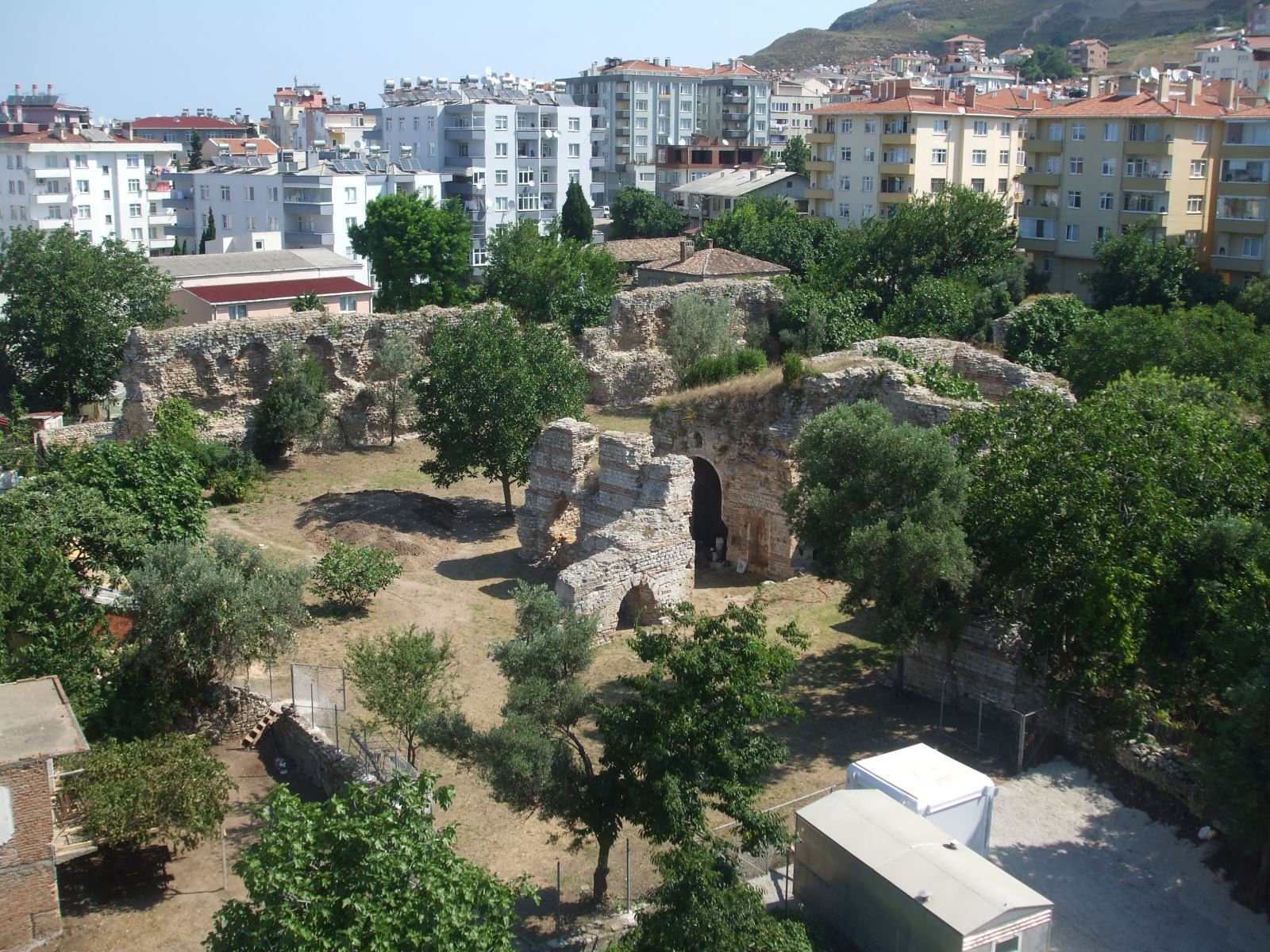
Remains of the Balatlar archaeological complex in Sinop.
Sinop is a port city on a Black Sea peninsula, with walls and water defining a compact urban setting. Trade, navigation and defence shaped its history, while successive civilisations left traces in the castle, religious buildings and archaeological collections. The centre brings together the historic prison, Balatlar, museums and old neighbourhoods, forming a townscape of overlapping periods in which the sea remains central to the memory of local people.
 The Castle and the Maritime City
Sinop's walls enclose part of the narrow land linking sections of the peninsula and have been altered and restored over many periods. Towers, gates and defensive stretches reveal the importance of the harbour and city location. Their history includes Seljuk work after the capture of Sinop in 1214, followed by later phases of continued use.
Defence remains visible in the way walls meet streets and buildings near the sea, with the castle integrated into the living city. Alaeddin Mosque and Pervane Medrese add Islamic heritage to the centre, their courtyards, arcades and stone details enriching its urban character. They connect with the history of government, education and worship, while waterfront and harbour help explain the city's origins and standing.
 The Historic Prison and Literary Memory
The historic prison occupies the inner castle, enclosed by walls beside the sea. Its buildings, yards and facilities developed over several phases and reflect imprisonment in the late Ottoman and Republican periods. The writer Sabahattin Ali is among the figures associated with it, giving the site a place in literary memory alongside its administrative and architectural history.
Walls, yards and cell blocks convey life within an enclosed institution and its separation from the city beyond. Following several years of restoration, the site reopened to visitors on 5 June 2025. Its museum use offers a framework for understanding buildings, documents and memories, connecting the prison with castle, sea and society while retaining the human context of its former inmates' experiences.
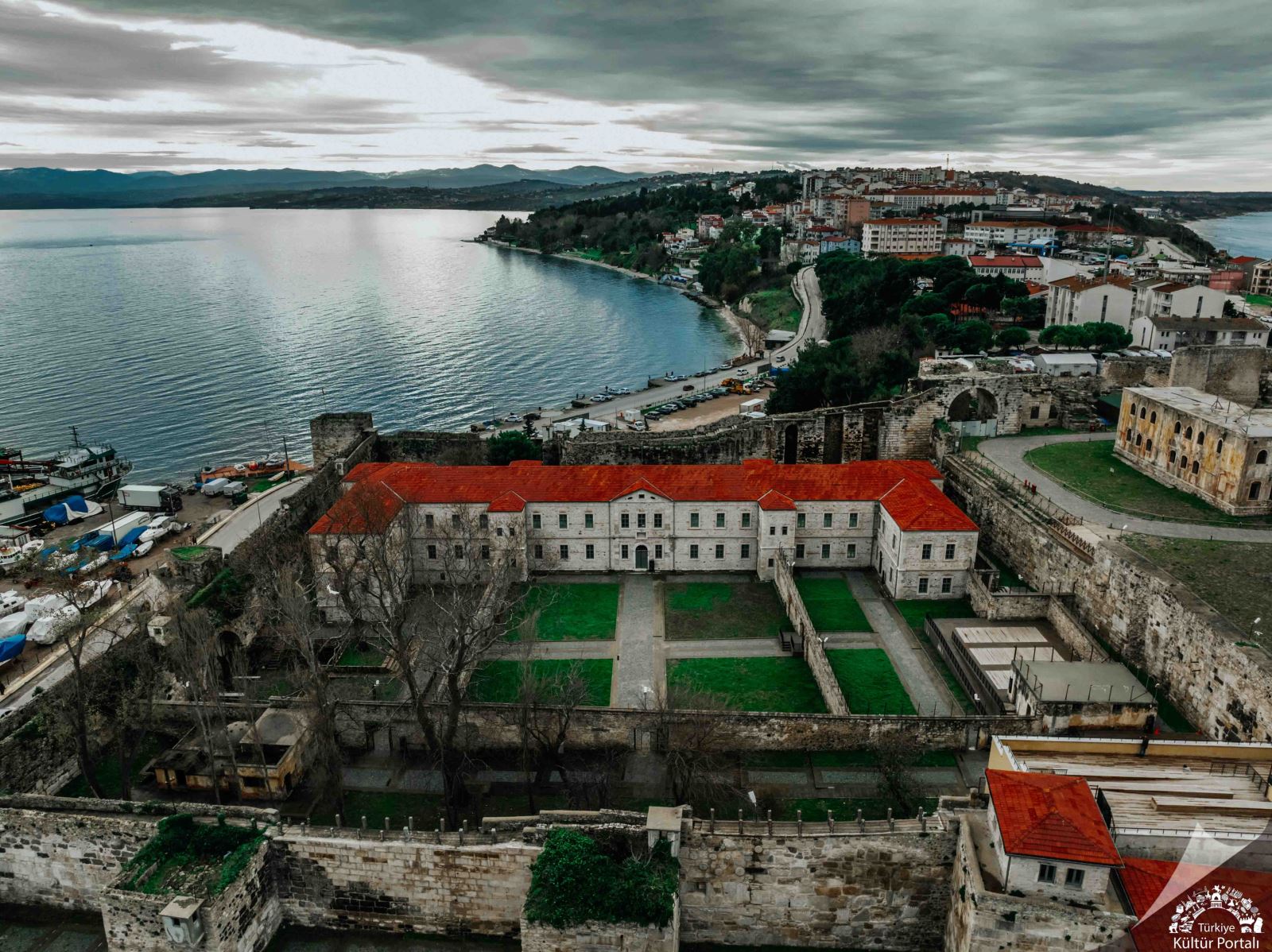
The historic prison within Sinop's fortifications.
 Balatlar and Changing Building Functions
Balatlar is an archaeological complex of late Roman origin, associated with bathing and exercise before acquiring religious functions in later periods. Its halls, walls and heating-system remains reveal the scale and early use of the complex, while the church and religious paintings represent later adaptations of parts of the building.
Some spaces preserve wall paintings and decoration, with evidence of burials and continued use across several periods. Excavations have revealed details previously below ground, allowing researchers' understanding to develop with each discovery. Balatlar's value lies in the meeting of architecture, archaeology and art, showing how a historic building can undergo a long sequence of changes whose traces survive in its materials, layout and finds.
 The Ethnography Museum and Sinop's Houses
The ethnography museum occupies a historic mansion illustrating local domestic traditions, with stone in the lower parts and timber on the upper floors. Rooms surround interior spaces, with carpentry, vegetal decoration and painted ceilings and walls. The building itself reveals the architecture and taste of a wealthy home in a city connected with maritime trade.
Ethnographic objects add clothing, crafts and household utensils to this picture, while the archaeological museum preserves evidence from the city and its surroundings. Boat models and local crafts in streets and markets connect maritime memory with handwork. Sinop thus combines substantial walls with small domestic details, and port history with neighbourhood life, giving its compact centre a rich cultural character.
 Practical Notes
Check museum hours and the limits of open areas, particularly at sites affected by excavation or restoration. Follow visitor routes within the prison and Balatlar, and avoid wall sections not designated for access. Lanes and steps can be uneven; appropriate footwear makes exploring old buildings easier.
 Related topics
 - Samsun 2026: The Coastal City, Bandırma and History Museums
- Amisos, Atakum and Tekkeköy 2026: Samsun’s Heritage and Coast
- Bafra and the Kızılırmak Delta 2026: Lakes, Forests and Heritage
- Çarşamba and Terme 2026: Yeşilırmak, Lakes and Wooden Mosques
- Inland Samsun 2026: Şahinkaya, Vezirköprü, Havza and Lâdik
- Northern Sinop 2026: Hamsilos, İnceburun, Akliman and Sarıkum
- Sinop’s Districts 2026: Ayancık, Erfelek, Boyabat and Gerze
- Niksar, Erbaa and Reşadiye 2026: Valleys and Heritage
- Zile, Turhal and Pazar 2026: Castles and Ballıca Cave
Last edited by a moderator: