

- Joined
- Nov 2, 2025
- Messages
- 282
- Reaction score
- 0
- Points
- 16
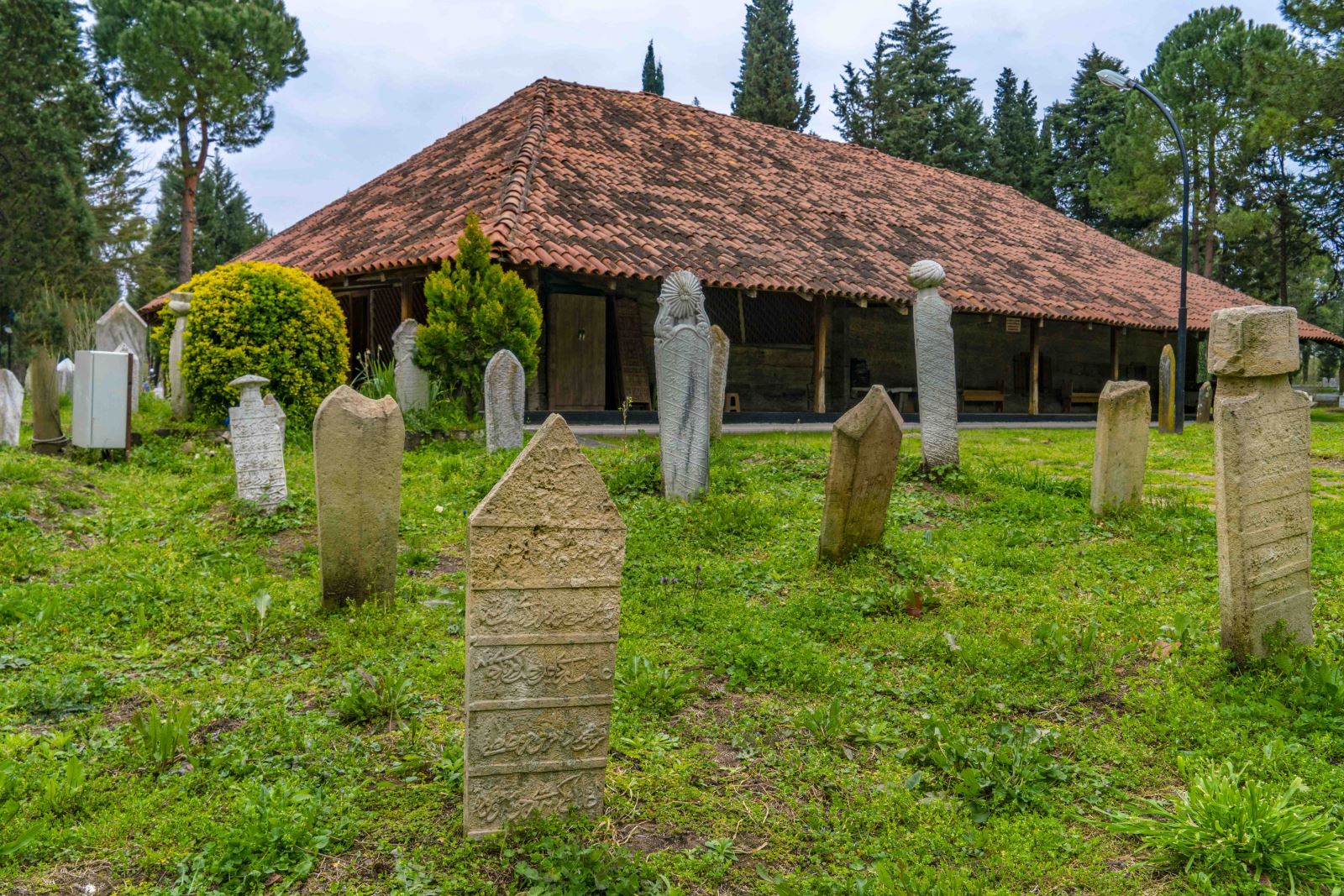
The timber Göğceli Mosque in Çarşamba.
Çarşamba and Terme lie in eastern Samsun, their character defined by agricultural plains, rivers and lakes near the sea. The Yeşilırmak passes through Çarşamba on its way to the coast, while lakes, channels and productive villages shape Terme. Alongside this lowland environment, historic timber mosques demonstrate local building expertise. Markets and farmland reveal connections between settlement, water, soil and forest materials.
 The Yeşilırmak and Çarşamba Plain
The Yeşilırmak carries water and sediment to the Black Sea, shaping the plain and delta. The important wetland area extends across Çarşamba and Terme, bringing together sea, river, lakes, reeds, marshes, meadows, dunes and seasonally flooded forests. The Yeşilırmak Delta was designated a wetland of national importance in 2020.
Landscapes change from fields and villages to habitats near the river mouth. Plants and animals vary with moisture and ground conditions: open lake, dunes and woodland each support different environments. Agriculture remains fundamental, connecting productive land with local centres, while the river plays both a geographical and economic role in daily life.
 Göğceli Mosque and Timber Craftsmanship
Göğceli Mosque in Çarşamba is a leading example of historic timber architecture. Tests on timber samples indicate construction in 1206 and the addition or repair of the portico in 1335. Long planks and interlocking corner joints form the structure, with the floor raised above the ground to assist ventilation and reduce damp.
Columns, beams and roof demonstrate detailed knowledge of timber and its structural use. The building is popularly described as “the mosque without nails”; more precisely, its wall system uses interlocking joints, with iron connections in a few parts. Vegetal ornament and painted decoration survive inside, bringing structure, craftsmanship and embellishment together in a religious building integral to local memory.
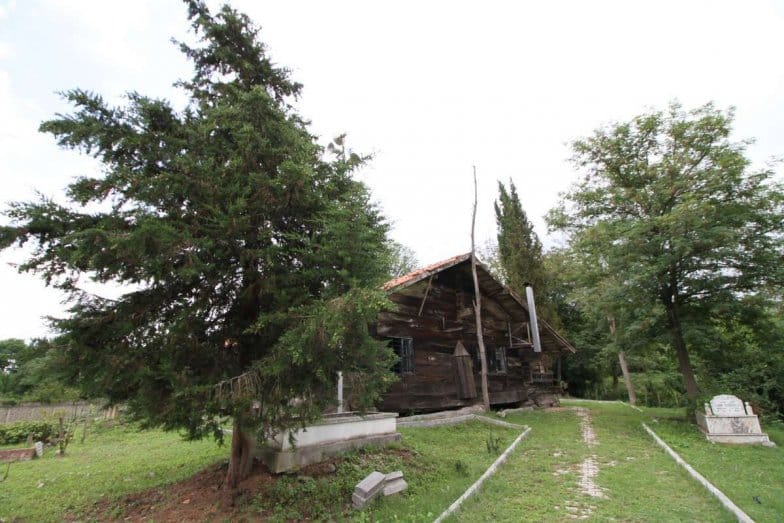
The timber Şeyh Habil Mosque in Çarşamba district.
 Şeyh Habil Mosque and Village Heritage
Şeyh Habil Mosque stands in the Yaycılar village area, within the cemetery associated with its name. It offers another example of interlocking timber walls and a structure raised on wooden supports resting on stones. Oak and elm feature in its rectangular plan and long wall planks. Its precise construction date is not settled across all references, although it belongs to the region's early architectural tradition.
These buildings give villages a historical presence alongside their agricultural role. A mosque was a place for gathering and prayer; its materials reflected forest resources, carpenters' expertise and the need to manage damp. Comparison with Göğceli reveals shared traditions and differences in detail and present condition, showing how smaller buildings outside city centres also preserve local heritage.
 Terme's Lakes and Agricultural Landscape
Simenit and Akgöl lie between Terme and the sea and connect through natural channels. Reeds surround their open, shallow and muddy waters, with plants and trees nearby. Migrating birds and fish use this network of wetlands, which complements the Yeşilırmak Delta.
Agriculture also shapes Terme and Çarşamba. Rice, hazelnuts and plain-grown crops feature in the countryside and markets. Land near water differs from slopes and higher farmland, while growing and harvest seasons alter its appearance. This part of Samsun brings together a major river, coastal lakes, villages and timber mosques, illustrating the overlap between a productive landscape, architectural heritage and rural community life.
 Practical Notes
Respect prayer times and the privacy of cemeteries and villages when visiting mosques. Avoid touching old timbers and decoration. Restoration and building condition can affect access. Around the lakes, follow paths and environmental instructions, staying away from reedbeds and nests and respecting private farmland.
 Related topics
- Samsun 2026: The Coastal City, Bandırma and History Museums
- Amisos, Atakum and Tekkeköy 2026: Samsun’s Heritage and Coast
- Bafra and the Kızılırmak Delta 2026: Lakes, Forests and Heritage
- Inland Samsun 2026: Şahinkaya, Vezirköprü, Havza and Lâdik
- Sinop 2026: Castle, Historic Prison, Balatlar and Museums
- Northern Sinop 2026: Hamsilos, İnceburun, Akliman and Sarıkum
- Sinop’s Districts 2026: Ayancık, Erfelek, Boyabat and Gerze
- Lake Boraboy, Taşova and Suluova 2026: Water and the Plains
- Tokat 2026: The Castle, Gök Medrese, Taşhan and Historic Houses