

- Joined
- Nov 2, 2025
- Messages
- 282
- Reaction score
- 0
- Points
- 16
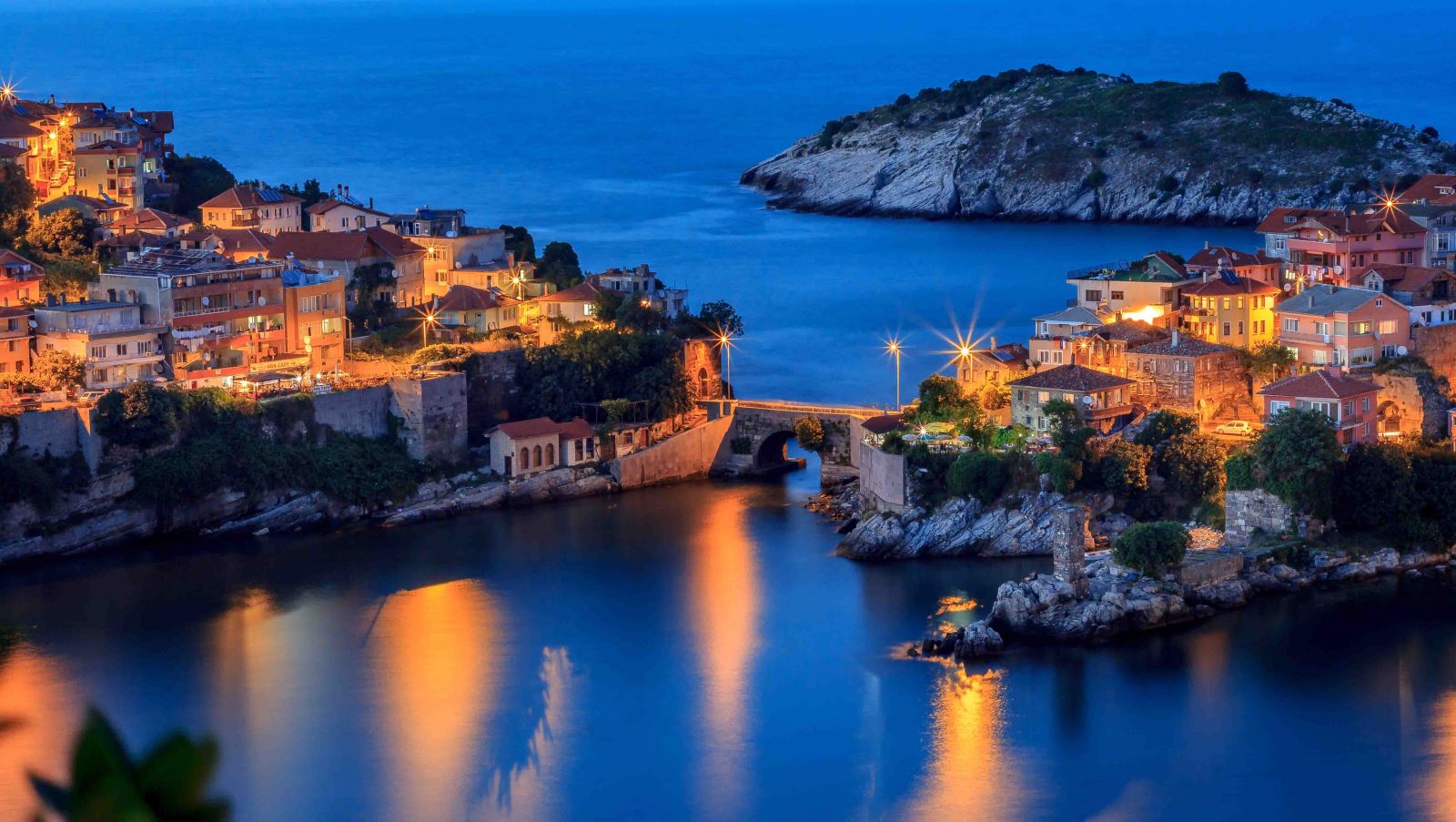
Amasra's historic walls and the coastal town around them.
Bartın is a small province with a varied landscape in the western Black Sea region, bringing together a riverside city, coastal towns and a forested interior. Amasra stands out for its castle, harbours and archaeological heritage; Kurucaşile for its maritime life and boatbuilding; and Ulus for its highlands, waterfalls and villages. Together they show how the sea, river and forest have shaped local buildings, crafts and collective memory.
 Bartın: the river and the town
The city of Bartın developed around its namesake river and the surrounding inland countryside. Its character differs from that of a town directly on the coast. The waterway supported connections and local activity, while traditional houses, façades, gardens and markets reflect the life of the town. Its position between the sea and the wooded interior also makes it a link between different parts of the province.
Craft traditions are an important part of its identity, including tel kırma, a form of embroidery using metal thread, as well as textile and woodwork. These objects represent domestic and professional skills handed down through generations. Seen alongside buildings, markets and the surrounding countryside, they reveal continuing connections between the city, villages, craftspeople and households.
 Amasra Castle and Museum
Amasra Castle consists of the Sormagir and Zindan sections, linked near the sea by Kemere Bridge. The walls bear traces of successive historical periods and repairs, including Genoese coats of arms and carved stone elements. The peninsula and its rocky terrain help explain the position of the defences and the town's relationship with the sea.
Amasra Museum has archaeological and ethnographic collections featuring sculpture, pottery, glass, coins, architectural fragments, clothing and textiles. Its historic building contributes to the significance of the museum itself. The collections bring together ancient civilisations and local social history, complementing the castle, houses and harbours outside.
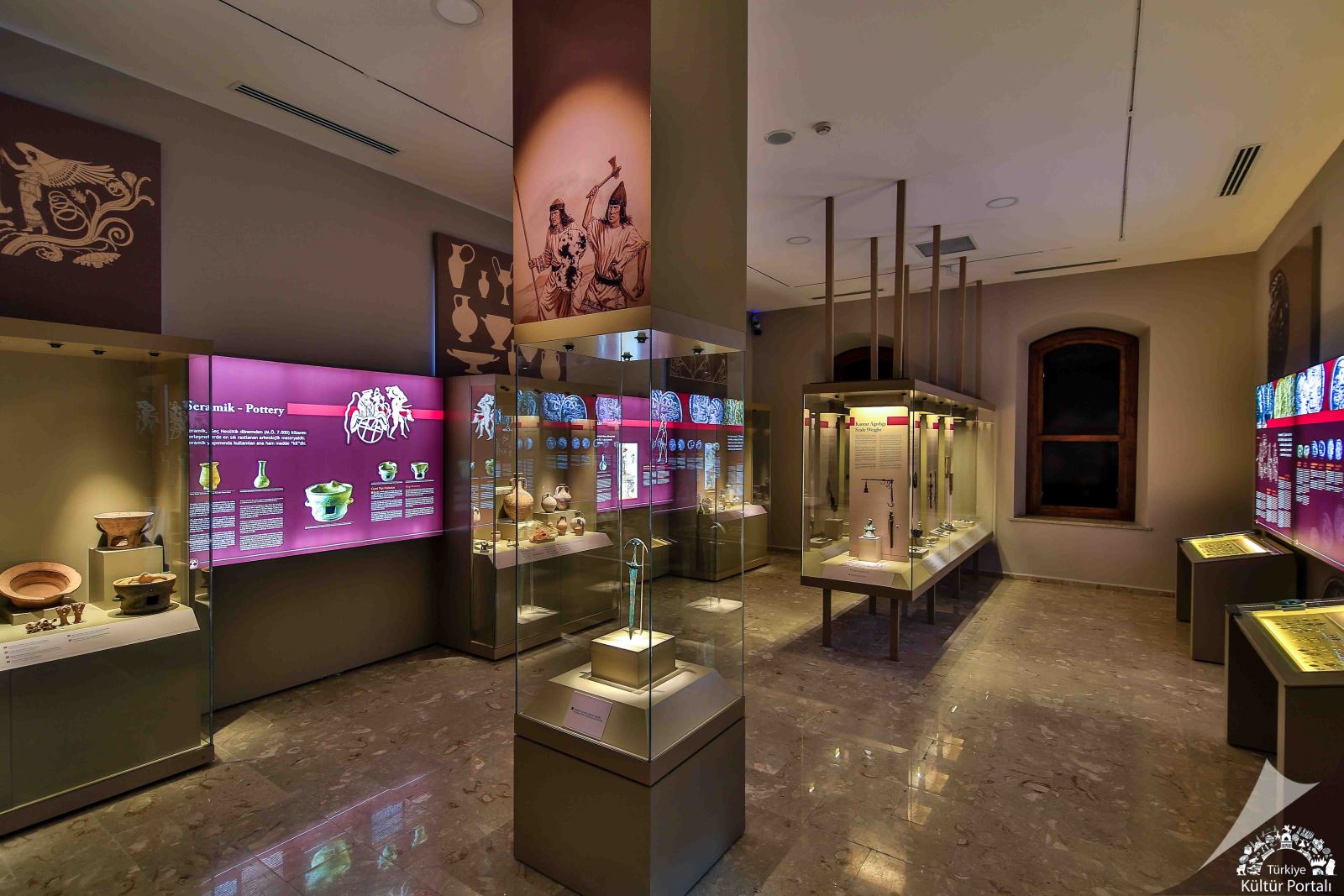
Part of the archaeological collection at Amasra Museum.
 Kurucaşile and the maritime villages
Kurucaşile lies in the north-eastern corner of the province, surrounded by bays, beaches and villages closely connected with the sea. Kapısuyu and Tekkeönü are particularly associated with the continuing craft of wooden boatbuilding, part of a long maritime tradition in Bartın, Amasra and their surroundings. Selecting timber, shaping a hull and assembling its parts reveal both inherited expertise and the collaborative nature of the work.
Fishing, small harbours and green slopes behind the shore complete this coastal setting. Bays such as Karaman and Çambu add variety, while village houses and everyday working life give the area a character extending beyond its sand and water.
 Ulus: highlands and waterfalls
Inland Ulus brings together forests, villages and upland pastures. Its best-known landscapes include Uluyayla, the Ardıç and Gezen highlands, and Ulukaya Waterfall. Valleys, open ground and woodland alternate, while caves and gorges reflect the area's karst landscape. Trees, water and grazing land create a setting distinctly different from the harbours of Amasra and Kurucaşile.
The surrounding villages belong to this landscape's cultural life, and farming and rural work show that it remains a lived-in countryside. Seeing the province as a whole brings its character into focus: the riverside city, the castle town, the boatbuilding villages and the wooded interior of Ulus each have their own landscape, buildings and heritage.
 Practical notes
Check whether the museum and individual parts of the castle are accessible, and confirm road conditions before heading into the highlands. Respect working boatyards, harbours and private homes. Stay on designated paths around waterfalls, and read local beach instructions before swimming, as waves and currents vary. Coastal villages and the inland villages of Ulus offer quite different settings.
 Related topics
- Kastamonu 2026: Castle, Clock Tower and Museums
- Küre Mountains and Pınarbaşı 2026: Horma Canyon, Valla Canyon and Ilıca Waterfall
- The Kastamonu Coast and Daday 2026: İnebolu, Cide and Abana
- Safranbolu 2026: Ottoman Town, Houses and Historic Markets
- Yenice and Eskipazar 2026: Forests and Hadrianopolis Heritage
- Zonguldak 2026: Coal Heritage, the Mining Museum and Gökgöl Cave
- Ereğli, Devrek and Filyos 2026: Archaeology, Crafts and the Coast
- Seben, Gerede and Mengen 2026: Rock-Cut Houses and Rural Bolu
- Düzce and Konuralp 2026: Ancient City, Theatre and Museum
Last edited by a moderator: