

- Joined
- Nov 2, 2025
- Messages
- 282
- Reaction score
- 0
- Points
- 16
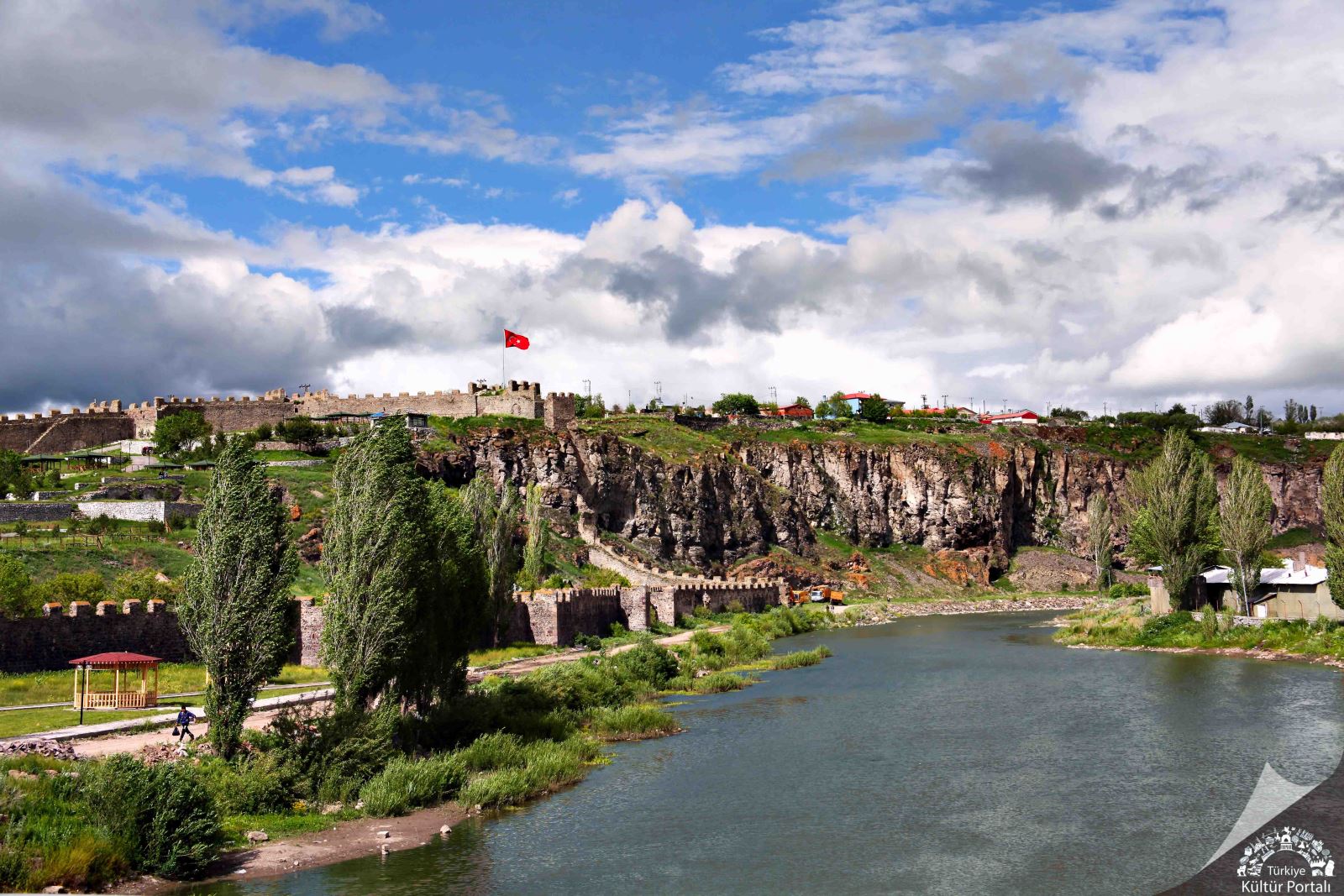
Ardahan Castle and its surroundings in the city centre.
Ardahan combines a small city providing everyday services with an open landscape shaped by uplands and the Kura River. The central castle offers a clear starting point before exploring Lake Çıldır or the province's countryside.
 The Castle: History in Its Walls
Ardahan Castle stands beside the Kura in Halil Efendi neighbourhood. Its rectangular plan, multiple towers and regular stonework reflect its defensive purpose.
Its original foundation date is uncertain. Used during Seljuk and Ottoman times, it underwent major sixteenth-century restoration on the orders of Sultan Süleyman the Magnificent. Its history is best understood as a sequence of phases.
Begin with the walls and gate and photographs of the setting. Ask on site which parts can be entered during your visit rather than assuming every tower and passage is always open.
 The Kura in the Cityscape
The Kura crosses the Ardahan plateau, connecting castle, city and surrounding countryside. A view of walls and water adds a perspective beyond the entrance alone.
Riverside landscaping and tree planting have taken place near the castle, including a recreation area and memorial woodland with planting documented in 2022. Choose prepared areas for walking and stopping, following signs and paths open on the day.
Allow a gentle walk and photographs, avoiding unprepared bank edges and the river channel.
 The Centre: Services and a Rest
Ardahan is the capital of the province administratively separated from Kars in 1992. Its highland position makes weather important when planning a day, particularly when moving from streets to open countryside.
Use the centre for meals, supplies and a break between excursions. Before leaving for villages, ask about return points and transport times. Services vary between stops.

Ardahan in the highlands of north-eastern Anatolia.
 Planning a Short Visit
This flexible sequence allows time to enjoy the city:
- Begin with the castle and walls after checking access.
- Stop beside the Kura in areas prepared for pedestrians.
- Have a meal and a rest in the centre, then choose your next excursion according to weather and time.
If adding Çıldır or Posof, calculate travel and stops separately from the Ardahan walk. The centre and castle can be enough when visibility is poor or journeys are slower than expected.
 Seasons Change the Visit
Ardahan is known for cold winters, while milder days allow a balance between historic buildings and outdoor walks. Keep an extra layer, especially into the evening.
In colder months, check roads and weather before going into the countryside and choose footwear for slippery ground. Keep bookings and departure times flexible instead of linking widely separated destinations into a crowded day.
Give the castle and river unhurried time and use the city as an organised base for the surrounding highlands.
 Related topics
- Lake Çıldır 2026: Seasonal Scenery and Fishing Between Kars and Ardahan
- Göle and Hanak 2026: Forests, Dairy Farming and Rural Life
- Posof and Damal 2026: A Border Valley, Red Apples and Highland Heritage
- Kars 2026: Castle, Architecture and University Life
- Sarıkamış 2026: Pine Forests, Skiing and Railway Heritage
- Ani 2026: The UNESCO World Heritage City Near Kars
- Kağızman, Digor and Arpaçay 2026: The Aras Valley and Rural Kars
- Erzurum: The Historic Capital of Eastern Türkiye
- Erzincan: A Natural Oasis in Eastern Anatolia
Last edited by a moderator: