

- Joined
- Nov 2, 2025
- Messages
- 282
- Reaction score
- 0
- Points
- 16
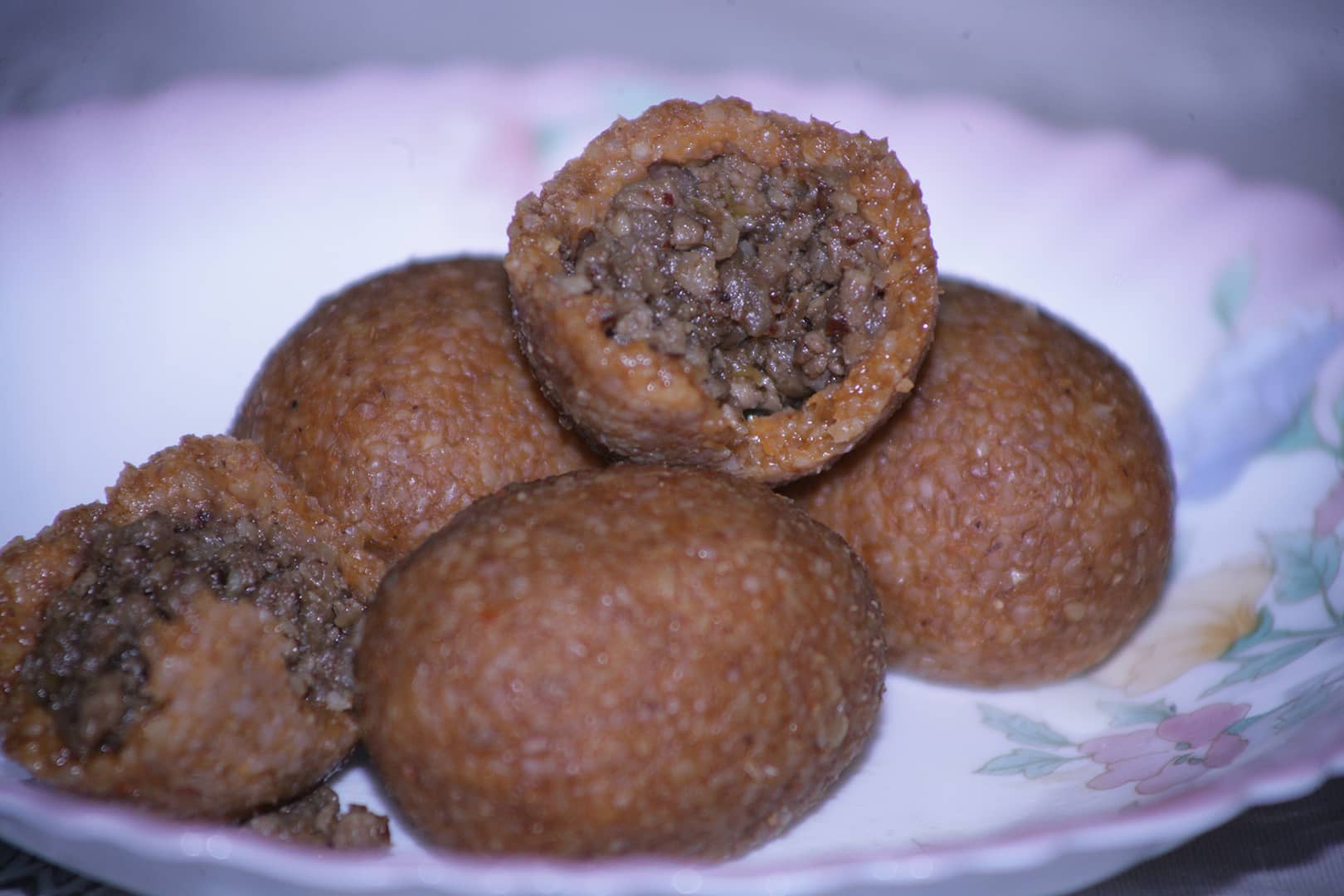
İçli köfte, one of the dishes enjoyed in Şırnak.
Şırnak's culture is expressed through food and textiles as well as its buildings. A local meal or a conversation with a weaver reveals connections between the town, the plains, upland pastures and village life. Make room for both during your visit: ask which dishes are available, where products come from and how the crafts are made.
 Dishes to ask for
Regional dishes include meyre, also called mehir, a cold soup made with yoghurt or ayran, grains and vegetables according to the recipe. Kutlık are bulgur dumplings filled with meat and onion; local varieties of stuffed vegetables are another option.
Ask what is available that day and how it is prepared, as names and recipes vary between households and restaurants. One main dish and something to share make a manageable introduction to the flavours.
 Rice and sweets
Perde pilavı—rice with chicken and almonds enclosed in a pastry shell—also features on Şırnak tables. Cizre's sweet traditions include rice- and almond-based preparations, with ingredients and occasions varying between dishes.
If you have a particular dish in mind, keep its Turkish name handy and ask before visiting a restaurant. Some foods are mainly prepared at home or for celebrations and may need to be arranged in advance.
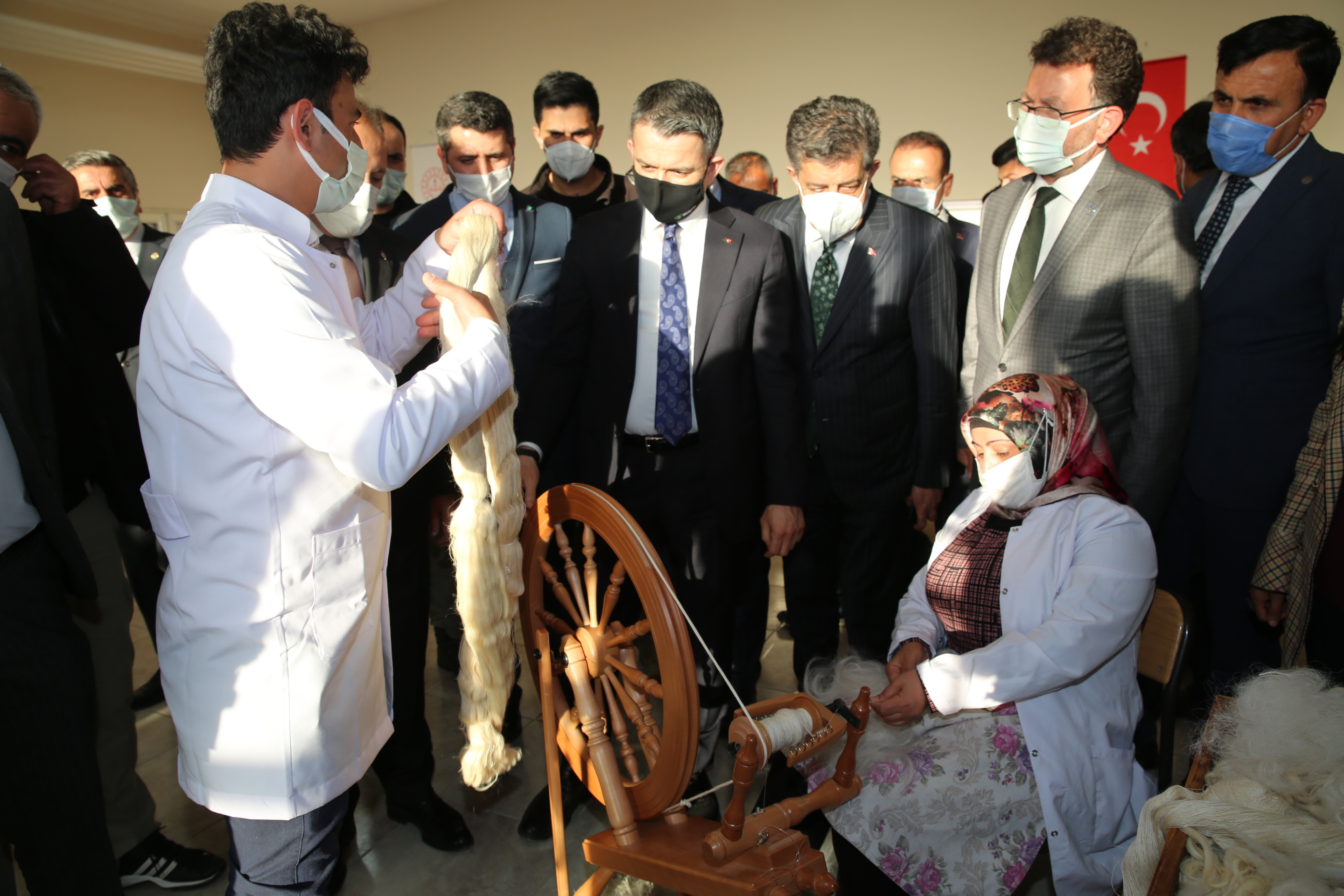
A wool-spinning demonstration during a visit to Şırnak University.
 What is şal şapik?
Şal şapik refers both to traditional local menswear and to the cloth used to make it. The şal is the trouser-like lower garment and the şapik the upper garment, with other accessories completing the outfit. Some traditional fabrics use finely spun mohair.
When watching the work, ask about the fibre, weaving and tailoring. Buying a finished garment is different from buying fabric, and made-to-measure pieces or special orders may take extra time.
 Kilims and their motifs
Jirki and Goyan kilims belong to the region's weaving traditions, with motifs drawing on nature and daily life. Pieces of different sizes reveal the arrangement of colours and symbols.
Before buying, ask whether a piece is handwoven and enquire about its material and origin. Examine the edges and reverse, check that the dimensions suit your intended use, and ask the maker for care instructions. A general description such as “traditional” tells you less than these practical details.
 Choosing a meaningful gift
A small woven piece or a packaged local food can make a practical gift. Check the product information, packing date and ease of carrying it, and request suitable wrapping for a long journey or a flight.
Arrange an artisan visit beforehand if you want to see a loom in use: a shop is not necessarily an open workshop. Ask permission before taking photographs, and make the discussion of materials and craftsmanship part of the experience.
 Related topics
 Şırnak and Kasrik 2026: Arrival, the City and the Valley Pass
 Beytüşşebap and Uludere 2026: Faraşin Plateau and Mountain Towns
 Silopi 2026: Görümlü Bridge, Nuh Nebi Madrasa and Behnat Figs
 Cizre 2026: The Great Mosque, Red Madrasa and Scholarly Heritage
 Cizre 2026: Mem û Zîn, Local Shrines and the Cultural Centre
 İdil and Öğündük 2026: Meryem Ana and Mor Yakup Churches
 Güçlükonak 2026: Finik Ruins and Hesta Springs on the Tigris
 Şırnak: A Gateway to the Eastern Mountains and Local Culture
- Siirt: Local Life and Kurdish and Turkmen Cultural Heritage
Last edited by a moderator: