
 An older apartment can be an opportunity when you understand its defects, repair costs and the time needed before it can be used.
An apartment needing renovation may look far cheaper than a finished home, but the lower price reveals little about services, insulation, disruption to neighbours or material lead times. Conversely, a finished home may include expensive finishes that do not suit your purpose. This 2026 guide compares the options in Türkiye, from technical inspection to contractor selection and handover, using three hypothetical budgets. Photographs are illustrative; figures are neither renovation quotations nor valuations of a particular property.
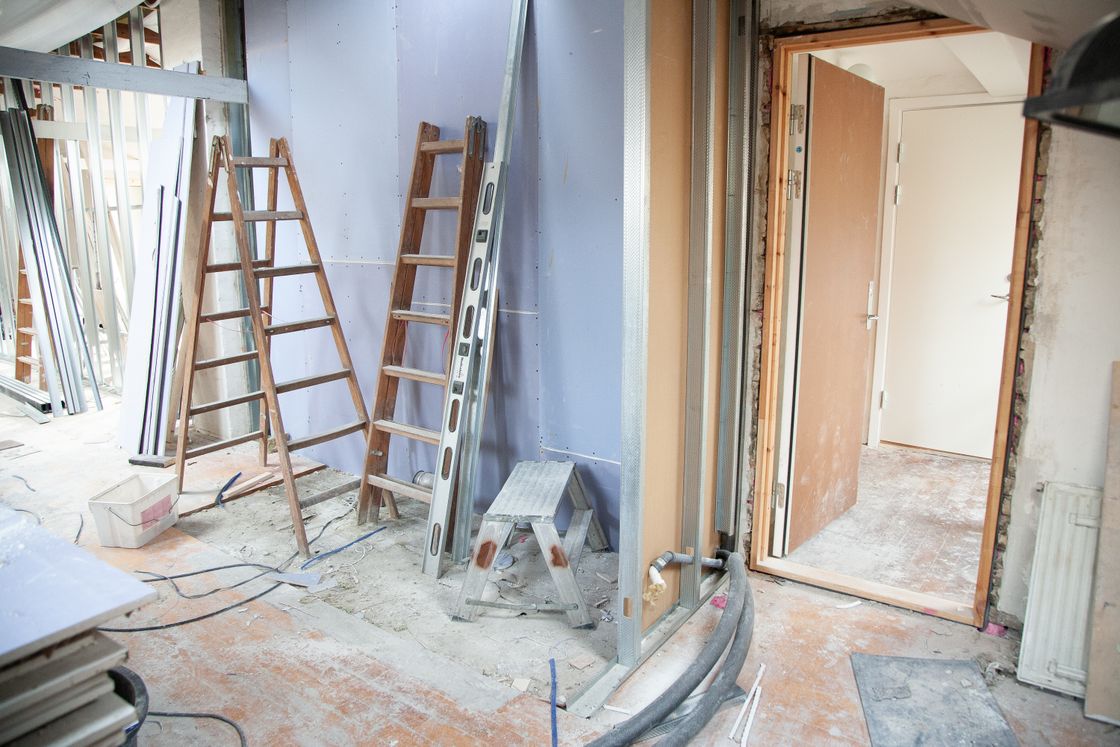
 Illustrative renovation scene; inspection and the contract determine the scope and budget.

 Start with safety and the building's condition
Inspect the building and apartment before discussing kitchen colours. Age alone does not establish safety, and fresh paint does not remove the importance of cracks, earlier alterations or recurring leaks. Request building and project records, identify differences from the actual property, and appoint an appropriate engineer to assess what needs investigation. A brief visual visit should not be presented as a safety certificate.Review the lift, roof, shared areas and upcoming maintenance decisions too. Renovating an apartment does not necessarily fix defects in the building's drainage, façade or structure. If collective work is expected, include your share and its timing. The inspection should distinguish defects repairable within the unit, problems requiring other owners' cooperation and fundamental issues for which renovation is inadequate. Do not calculate returns before establishing that the property is suitable for its intended use.

 Separate maintenance from alterations requiring approval
Official guidance distinguishes minor repairs from substantial alterations affecting components, areas, use or an approved project. Ordinary painting or replacement finishes differ from moving wet areas, changing a façade, combining two units or structural work. Classify the project by the work involved rather than its marketing description as an 'interior refurbishment'.Review the works list with an architect or engineer and, where necessary, the municipality. Check the building's management plan and rights over shared areas. An owner's consent does not replace permits or other required approvals, and protected property may need a special procedure even for some repairs. Do not let a contractor demolish a wall merely because it looks unimportant. Establish the approval route and what must be completed before work begins, keeping drawings and responses in the project file.
| Type of work | What to review before starting | Appropriate expertise |
|---|---|---|
| Ordinary painting and finishes | Condition, repair scope and building restrictions | A suitable tradesperson and supervisor |
| Moving services or wet areas | Plans, approvals, waterproofing and drainage | Designer and building services specialist |
| Façade or shared-area work | Owners' rights, management plan and municipal requirements | A specialist and legal review where needed |
| Structural work | Engineering assessment, permits and safety procedure | Engineer and competent authorities |

 Define the finish and its intended users
Will you live in the apartment, let it to a family or prepare it for resale? The priorities differ. A rental needs durable materials, easy maintenance and a practical layout; personal occupation may justify preferences a tenant would not pay for. A luxury interior photograph on your phone should not be the contractor's only specification.List essentials such as leak repairs, safe services and suitable windows first, then practical improvements, then cosmetic choices. Specify material brands or comparable performance standards, quantities, areas and fitting types. Give three contractors the same list when requesting quotes. A cheaper offer omitting waterproofing or reducing cabinetry is not a fair comparison. Keep money available for important discoveries rather than spending the budget on appearance before inspecting the structure and services.

 Prioritise services and insulation
Inspect water, drainage, electricity, heating, cooling and insulation before covering them with finishes. Repairing a leak after fitting a new kitchen can multiply work and delay occupation. Have specialists test systems and explain what needs replacement and what can remain. Replacing everything without diagnosis can be expensive; keeping everything to reduce the quote may merely postpone damage.Schedule tests before covering pipes or closing walls, and keep photographs of routes and materials. Agree on specialist checks for wet areas, waterproofing, drainage and electrical safety. Do not test gas or electrical systems yourself, or accept shortcuts for a faster handover. Retain equipment details, warranties and supplier information: knowing what was installed makes later repairs easier and helps the next tenant or buyer.

 Request quantities and exclusions
A useful quote specifies work, materials, quantities, labour and applicable tax, and explains removal, waste disposal, protection and cleaning. 'Complete renovation' without detail leaves considerable room for disagreement. Ask whether the quote includes stripping out old fittings, repairing concealed damage, carrying materials to the floor, restoring shared areas and testing systems.State exclusions explicitly: appliances, furniture, approval fees, shared works and concealed defects. Request the quote's validity period, how additional work is priced and whether the price is fixed for a defined scope or varies with actual quantities. Adding a general percentage does not resolve every uncertainty: some items need separate quotations. Keep an agreed specification and document substitutions before installation, particularly where materials differ in quality, lifespan or maintenance.

 Select the contractor and structure payments
Verify the contracting party's identity, business capacity, invoices and experience on a similar project. Where possible, visit earlier work with the owner's consent. Ask who installs services, who supervises and who remedies defects. The ability to paint an apartment does not establish the ability to manage design, approvals and several technical trades.Link payments to clearly defined, verified milestones rather than the passage of a week. For example, agree payments for documented delivery of specified materials, tested services, then finishing and handover. Payment proportions depend on the contract and project needs. Define variations, delays, warranties, dispute resolution and final documents. Avoid paying the entire price in advance without evidence or agreed protection. An appropriate independent supervisor may help if you are outside Türkiye.
 Illustrative renovation tools; this is not a cost quotation or quality guarantee.

 Account for time and vacancy
Build a schedule covering inspection, design, approvals, procurement, removal, services, testing, finishing, cleaning and handover. Do not assume every stage can run in parallel: some depend on drying, testing or delivery. Have the contractor explain what controls completion and which choices you must make before work starts.If the property is occupied, review the legal position, tenancy and tenant's rights before planning to recover possession or undertake disruptive work. If vacant, include charges, utilities and temporary accommodation or assumed lost income, avoiding double-counting mutually exclusive losses for the same situation. Three months' delay may overturn the purchase price advantage. A time allowance helps avoid committing to a tenancy handover you cannot guarantee, or buying furniture and booking travel before readiness is clear.

 Comparing three renovation budgets
Assume an older apartment costs TRY 3,000,000, with hypothetical acquisition expenses of 150,000. After confirming the building's suitability, compare basic repairs, a medium refurbishment and extensive renovation. Downtime represents one assumed cost of tied-up capital or lost income; it excludes financing and income tax.| Item in TRY | Basic | Medium | Extensive |
|---|---|---|---|
| Purchase and acquisition | 3,150,000 | 3,150,000 | 3,150,000 |
| Works | 250,000 | 450,000 | 800,000 |
| Contingency on works | 37,500 at 15% | 90,000 at 20% | 200,000 at 25% |
| Assumed downtime cost | 60,000 | 90,000 | 150,000 |
| Total decision budget | 3,497,500 | 3,780,000 | 4,300,000 |

 Does the extra rent cover the improvement?
In the same exercise, assume monthly rent of TRY 25,000 for the basic plan, 28,000 for medium, 30,000 for extensive and 29,000 for the finished apartment. Test these assumptions against comparable properties and demand. There is no rule that each amount spent increases rent by a fixed proportion.| Option | Assumed monthly rent | Total for 12 paid months |
|---|---|---|
| Basic | 25,000 | 300,000 |
| Medium | 28,000 | 336,000 |
| Extensive | 30,000 | 360,000 |
| Finished | 29,000 | 348,000 |

 Assess the improvement's resale value
Investigate what local buyers value: practical layouts, documented services, good insulation, clear floor areas and balanced finishes. Highly personal choices may narrow the buyer pool rather than raise the price. Do not add every material invoice to an expected selling price as though the market will automatically reimburse it.Compare refurbished and unrefurbished units with similar buildings, floors and areas, distinguishing asking prices from verified transactions. If aiming for a quick sale, include marketing time, selling fees, holding costs and tax applicable to your circumstances. Retain progress photographs, invoices, warranties and plans. They support inspection but do not establish the safety of the entire building. A finished property may suit an owner with little time when the cost difference is small; an older one may suit someone experienced in project management with a real reserve.
 Generic illustrative living room; this is not a listed property or evidence of location or quality.
 Selection and handover checklist
- Independent inspection of the building, apartment, documents and earlier alterations.
- A clear works list, approval route and responsibilities before starting.
- Three quotes based on the same specification, with exclusions and duration.
- A contract and payments linked to verified progress, with agreed variations.
- Financial and time contingencies, plus weekly photographic and documentary updates.
- A handover record, tests, warranties, invoices, keys and materials file.
 Common mistakes and questions
Is an older apartment always cheaper? Compare purchase, works, contingency, downtime and shared costs together, then account for differences in property quality.Is one contractor's quote enough? A quote helps, but inspection, specifications and competing offers reveal omissions and assumptions.
Does all interior work avoid the need for review? Location alone does not decide it: changes to structure, approved plans, services or use may require procedures.
Will an expensive kitchen raise the rent by the same amount? The increase depends on demand and comparable homes, and may not cover the additional cost.
What is the costliest mistake? Starting finishes before investigating defects and approvals, then changing scope without pricing it. Set a maximum total cost and a stopping condition if a defect changes the decision. A suitable older home offers a clear advantage after risks are counted; a suitable finished home offers a shorter timetable and a more readily understood condition, which still needs inspection.
 Related topics
 Building Safety Before Buying in Türkiye: Earthquakes and the Limits of DASK Cover Building Permits and Occupancy Certificates in Türkiye: Identifying Unauthorised Work Urban Renewal in Türkiye in 2026: Buyers’ Rights and Redevelopment Risks New Apartment Handover in Türkiye: Defects, Meters and Utilities Valuing an Apartment in Türkiye in 2026: Price per Square Metre, Comparables and Neighbourhood Differences Managing Property in Türkiye Remotely: Management Contracts, Rent Collection and Maintenance Assessing a Property Investment in Türkiye: Net Rent, Financing and Risk Selling Property in Türkiye in 2026: Pricing, Tax and Net Proceeds Choosing a Neighbourhood for Property Investment in Türkiye: Demand, Transport and Resale Liquidity
Last edited by a moderator: