

- Joined
- Nov 2, 2025
- Messages
- 282
- Reaction score
- 0
- Points
- 16
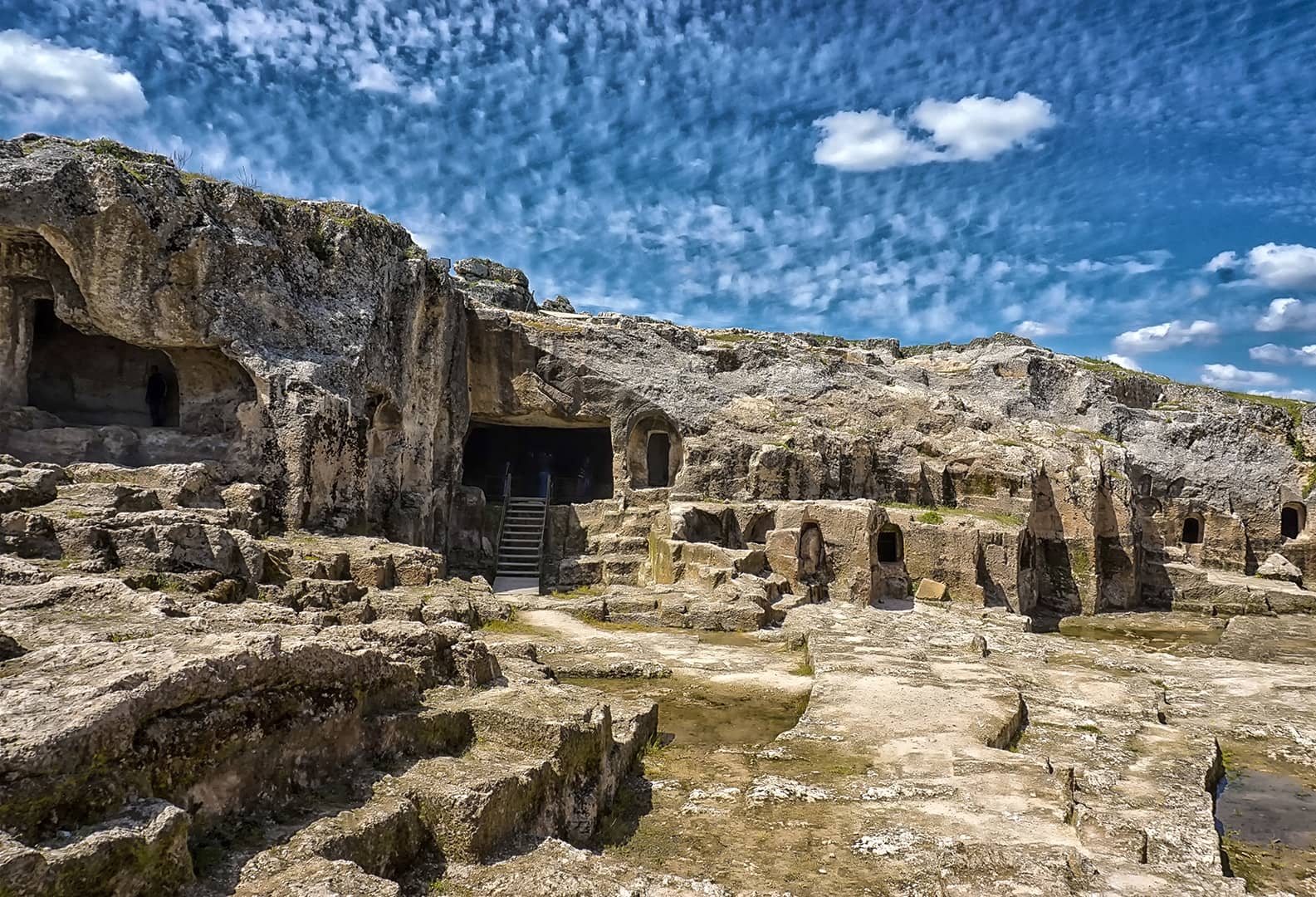
The Hilar rocks and traces of rock-cut chambers near Ergani.
Ergani introduces an earlier chapter of history than city walls and mosques. Çayönü illuminates the first villages, farming and animal husbandry, while the Hilar rocks preserve tombs and carvings from later periods. Their proximity does not place them in the same era; understanding the difference makes the visit clearer and more rewarding.
 Two nearby sites in one itinerary
Hilar is near Ergani, and the provincial tourism authority places Çayönü mound approximately 500 metres to its north. Consider them as a linked itinerary, but check the entrance and authorised visitor route for each site separately.
Arrange transport and the return journey before setting off, particularly without a private car. Save the names Hilar Mağaraları and Çayönü Tepesi, and ask for the correct entrance rather than following the first dirt road shown on a map.
 Çayönü and the beginnings of settled life
Çayönü is important for understanding the Neolithic transition towards village life and food production. It contributes to the study of crop cultivation, animal domestication and changes in houses and communal life.
Start with the site's story before examining individual excavated features. Some remains stand only a little above ground and may look very different from the buildings familiar from classical archaeological sites. A plan or a guide's explanation adds greatly to the visit.
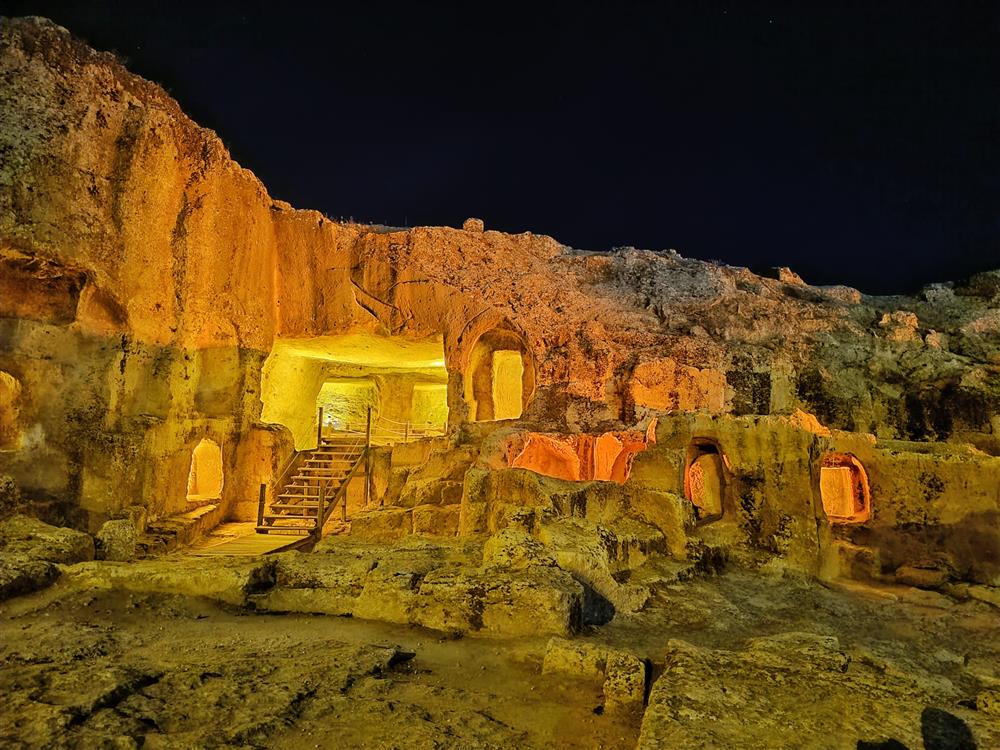
Rock-cut chambers and carvings at the Hilar archaeological site.
 Hilar's rock-cut tombs
The Hilar rocks contain burial chambers and carved reliefs. The tourism authority dates their use as tombs to the early centuries AD. Do not automatically attribute them to the village of Çayönü, which is thousands of years older.
Following research and preparation work, Hilar was registered as a managed archaeological visitor site in 2024. View chamber façades and their details from the available paths; avoid touching carvings or collecting stones and fragments.
 Seasonal visiting arrangements
Hilar's published timetable lists seasonal hours. From 1 October to 1 May, visiting hours are 08:30–17:00, with the ticket office closing at 16:30. From 1 May to 1 October, visiting hours extend to 19:00, with the ticket office closing at 18:30. The timetable lists Monday closure in both periods. Confirm the hours and admission arrangements for your travel date before setting off.
Scientific excavation continues at Çayönü. Ask whether a visit is possible and which area is accessible that day. Permission to view the site does not allow entry into working areas or passage beyond excavation barriers.
 Getting more from a short visit
Bring water and footwear suited to uneven ground, and choose a cooler part of the day. For families, build the visit around a simple question: how did people live before cities, and how did the rocks preserve traces of later communities?
There is no need to enter every hollow or climb every rock. A clear route and a few well-understood ideas are enough; take a break in Ergani before returning rather than adding distant stops to the archaeological day.
 Related topics
 İçkale and Diyarbakır Museum 2026: Amida Archaeology and the Inner Citadel
 Eğil 2026: Rock Castle, Dicle Reservoir and a Day Trip from Diyarbakır
 Silvan and Malabadi 2026: The Great Mosque and Artukid Bridge
 Diyarbakır Old Town 2026: Sur, the Great Mosque and Hasan Pasha Inn
 Diyarbakır Walls and Hevsel Gardens 2026: A UNESCO Cultural Landscape
- The Ten-Eyed Bridge and Tigris 2026: A Riverside Visit near Diyarbakır
 Diyarbakır Food and Bazaars 2026: Liver Kebab, Kadayıf, Cheese and Crafts
- Diyarbakır: Black Basalt Walls and Historic Heritage
- Mardin: A Historic City of Golden Stone