

- Joined
- Sep 16, 2026
- Messages
- 115
- Reaction score
- 0
- Points
- 16
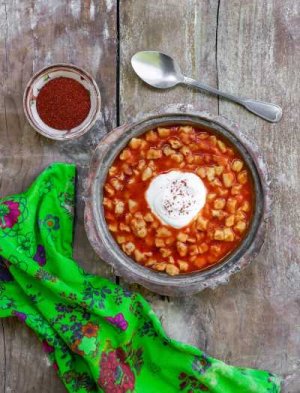
 Kayseri's Food: Flavours Worth Making Time For
Kayseri's cooking brings together filled dough, thin breads, seasoned meats, and desserts made with walnuts, tahini and grape molasses. The city's chamber of commerce lists mantı, pastırma, sucuk, yağlama and nevzine among Kayseri's registered geographical indication products, reflecting food's importance to local identity.
Set aside a couple of meals to discover the best-known dishes, and browse local food shops after visiting the castle and historic bazaars.
 Kayseri Mantısı
Mantı is the classic introduction to the city's cuisine: tiny parcels of dough filled with minced meat, onion and spices, boiled and served with garlic yoghurt and a sauce made with butter and pepper.
The dish balances tender dough, savoury filling and tangy yoghurt. Sauce consistency and presentation vary between restaurants, so a menu photograph can help you choose. Ask about portion sizes before ordering.
For your first taste, look for the full name Kayseri Mantısı. Ask whether the yoghurt or garlic can be served separately if you prefer to adjust the flavour yourself.
 Kayseri Yağlaması
Yağlama consists of thin breads, cooked first and then stacked with a mixture of minced meat, onion and red pepper. The layers are cut into portions and served with garlic yoghurt.
The bread absorbs some of the meat sauce, giving the dish its distinctive texture. Order it as a main course or share it with your group, depending on the portion size.
Mantı and yağlama offer two different ways to enjoy dough-based cooking: one uses filled parcels, while the other layers bread and a savoury topping.
 Kayseri Pastırması
Pastırma is made from cuts of meat that are salted and dried before being coated in çemen. The Turkish Culture Portal's recipe includes fenugreek, garlic, red pepper and other seasonings. The finished meat is served in thin slices.
When buying it, ask which cut was used, the pack weight and the price per kilogram. Compare products by the same weight, and consider how much of each piece consists of the seasoned coating.
 Kayseri Sucuğu
Sucuk is a seasoned minced-meat sausage whose flavour depends on the balance of garlic and spices. It appears at breakfast and in a variety of hot dishes.
The useful distinction when choosing is that pastırma retains the structure of a whole cut and is sliced thinly, while sucuk is made from minced meat. Ask about ingredients and how the product is served when ordering or shopping.
 Nevzine
 is made from dough containing flour, tahini, butter and walnuts. It is baked and soaked in a sweet syrup enriched with grape molasses.
It makes a fitting sweet finish to a local food experience. Consider sharing a piece after a meal, especially if you are tasting several dishes.
 More Dishes for a Longer Stay
Other local specialities include Tandır Böreği, a baked filled pastry; Tepsi Mantısı, tray-baked mantı; and Kurşun Aşı soup. Save these names to help read menus, and ask what is available that day. Choosing an extra dish that a restaurant specialises in adds variety to your visit.
 A Two-Day Food Itinerary
• Day one: Kayseri mantı for lunch, followed by a browse around pastırma and sucuk shops.
• Day two: yağlama as a main course, then a piece of nevzine.
• For groups: ask about portion sizes before ordering several dishes to share.
This is a suggested tasting sequence. Fit it around your sightseeing, accommodation location and restaurant opening times.
 Ordering and Buying Local Products
Check current menus and whether a price is per portion or by weight. For packaged products, read the product name, producer, expiry date and storage instructions, and ask for packaging suitable for the length of your onward journey.
Keep the Turkish dish names on your phone: they make menus easier to read and help distinguish similar products. For foods with geographical indication status, the registration links published by Kayseri Chamber of Commerce explain their specifications.
 Official Sources for Information and Planning
• Kayseri Chamber of Commerce: products with geographical indication registrations
• Turkish Culture Portal: Kayseri mantı
• Turkish Culture Portal: yağlama
• Turkish Culture Portal: pastırma
• Turkish Culture Portal: nevzine
• GoTürkiye: Kayseri's cuisine and local dishes
 Related topics
 Kayseri 2026: A Guide to the City, Markets, Landmarks and Modern Life
 Mount Erciyes 2026: Skiing, Cable Cars, Activities and Accommodation
 Historic Kayseri 2026: The Castle, Hunat Hatun Complex and Old Bazaars
 Koramaz and Soğanlı Valleys 2026: Historic Villages, Churches and Dovecotes
 Cappadocia 2026: A Complete Guide to Valleys, Villages and Rock-Cut Cities
- Göreme 2026: Open-Air Museum, Valleys, Balloons and Cave Hotels
Last edited by a moderator: