

- Joined
- Sep 16, 2026
- Messages
- 115
- Reaction score
- 0
- Points
- 16

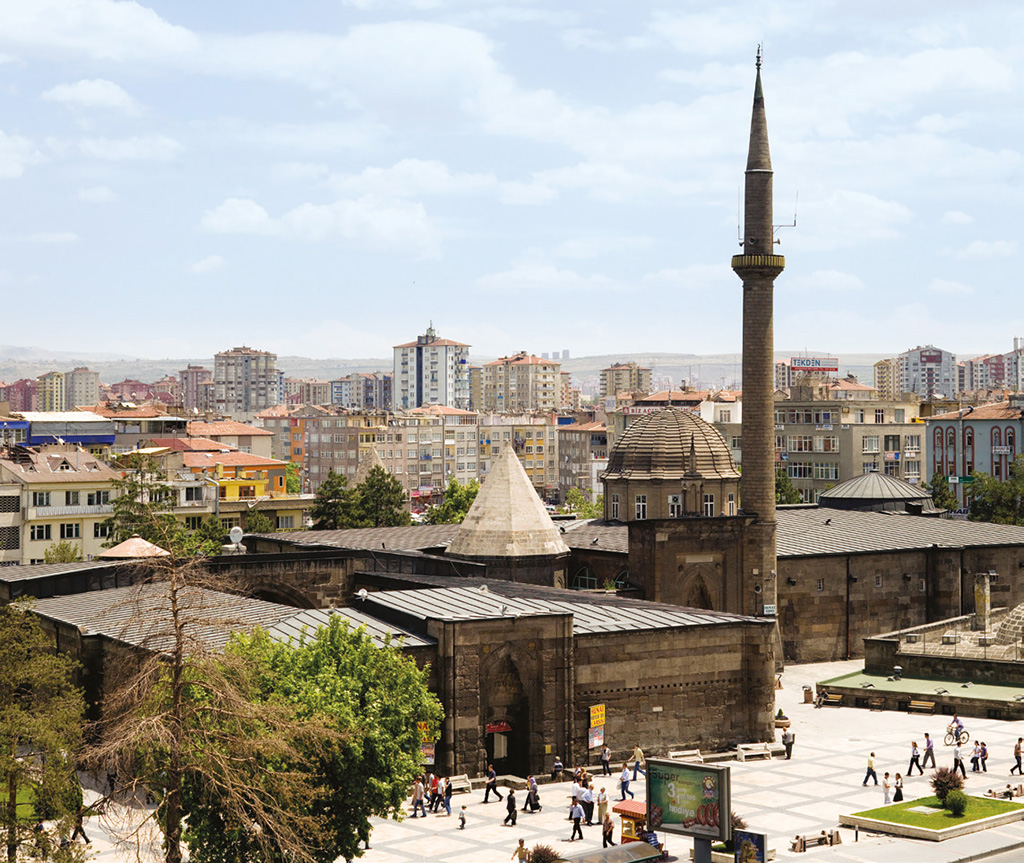
 Central Kayseri: A Walk Through Castles, Madrasas and Bazaars
Central Kayseri brings together monuments from different chapters of the city's history: fortifications with Roman and Byzantine roots, Seljuk complexes, and bazaars and inns that flourished under the Ottomans. Several are close enough to combine on foot, with museum visits and breaks in the market area along the way.
Allow a full day if you want to visit museums, or half a day for a shorter walk concentrating on the castle, Hunat Hatun and the bazaar.
 Kayseri Castle: Many Layers of History
Kayseri Kalesi stands in the heart of the city. The Turkish Culture Portal traces its origins to the third-century Roman period, with sixth-century Byzantine alterations. Its principal present form took shape under the Seljuk sultan Alaeddin Keykubad I.
Historically, the fortifications comprised an inner and an outer castle, with additions and repairs in later periods. Viewing the walls and towers from outside helps explain the castle's role in defending the city and shaping its centre.
Begin with a walk around the exterior for photographs, then enter the courtyard and allow time for the Archaeology Museum within the castle.
 Kayseri Archaeology Museum
Kayseri Arkeoloji Müzesi moved into the castle in 2019. Its chronological displays guide visitors through the region's past.
The collection grew through discoveries at Kültepe–Kaniş and objects gathered from the wider Kayseri area. A visit provides useful context before exploring the city's Seljuk and Ottoman monuments.
On maps, select the museum's location inside the castle: older information may still refer to its former premises in Gültepe.
 Hunat Hatun: A Closer Look at Seljuk Architecture
Hunat Hatun Külliyesi dates from 1238. Its patron was Mahperi Hunat Hatun, wife of Sultan Alaeddin Keykubad I and mother of Sultan Gıyaseddin Keyhüsrev II.
The complex comprises a mosque, madrasa, bathhouse and tomb. Look for the stone entrances carved with geometric and floral motifs, and the madrasa's open courtyard with rooms arranged around it.
Take time over the architectural details. The ensemble shows how worship, education and services were brought together in one foundation. Respect prayer times and worshippers' privacy when entering the mosque.
 Sahabiye Madrasa and the Seljuk Civilisation Museum
Sahabiye Medresesi makes a worthwhile additional stop. Commissioned in 1267 by the vizier Sahib Ata Fahreddin Ali, it has stone-built walls, an open courtyard and a prominent entrance.
For a more extensive museum visit, head to Selçuklu Uygarlığı Müzesi in the Gevher Nesibe complex in Mimar Sinan Park. The hospital's entrance inscription dates its foundation to 1205–1206.
The site combines the history of medicine and education with architecture, presenting aspects of Seljuk civilisation through displays that include interactive features. Start your day here if museums interest you more than shopping.
 The Covered Bazaar, Bedesten and Vezir Han
Continue to Kapalıçarşı, the covered bazaar, for the commercial side of the city's history, then explore its associated historic buildings:
• Bedesten: dating from 1497, this domed market building stands within the covered bazaar area.
• Vezir Han: commissioned by Damat İbrahim Paşa in 1727, this two-storey inn is arranged around a courtyard with a fountain.
These buildings represent the Ottoman period of Kayseri's trade and complement its Seljuk madrasas and religious complexes. Enjoy the passages and inns, then shop according to your interests.
 Suggested One-Day Itinerary
• Morning: the Seljuk Civilisation Museum, then Sahabiye Madrasa.
• Midday: Cumhuriyet Square, the castle and Archaeology Museum.
• After a break: Hunat Hatun, followed by the covered bazaar, Bedesten and Vezir Han area.
Shorten this suggested route to suit your time. Check museum hours and building access before planning the day, and leave time for walking and photographs between stops.
 Official Sources for Information and Planning
Turkish Culture Portal: Kayseri Castle and city walls
Provincial Culture and Tourism Directorate: Kayseri Archaeology Museum
Kayseri Municipality: Hunat Hatun complex
Kayseri Municipality: Sahabiye Madrasa
Turkish Culture Portal: Seljuk Civilisation Museum
Provincial Culture and Tourism Directorate: inns, Bedesten and covered bazaar
 Related topics
 Kayseri 2026: A Guide to the City, Markets, Landmarks and Modern Life
 Mount Erciyes 2026: Skiing, Cable Cars, Activities and Accommodation
 Cappadocia 2026: A Complete Guide to Valleys, Villages and Rock-Cut Cities
- Ürgüp and Ortahisar 2026: Rock Castles, Houses and Cappadocia Valleys
 Historic Ankara 2026: Ankara Castle, the Museum of Anatolian Civilisations and the Old Town
- Karaman 2026: The Castle, Manazan, Taşkale and Karamanid Heritage
Last edited by a moderator: