

- Joined
- Sep 16, 2026
- Messages
- 115
- Reaction score
- 0
- Points
- 16
 Karaman: A Historic City and Rock-Cut Villages
Karaman lies south-east of Konya, combining the heritage of the Karamanid principality with rock-cut sites outside the city.
Divide your visit into two parts: the castle, mosques and historic madrasas in the centre, then Manazan and Taşkale on a single excursion. Two days allow a comfortable pace, although a full day is possible with a car and an early start.
 Karaman Castle
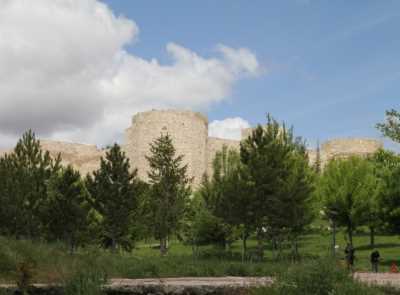
Karaman Kalesi stands in the city's Hisar neighbourhood. Its historic defensive system comprised outer, middle and inner walls. The inner castle, built on an archaeological mound, is the most prominent surviving part.
It contains nine towers: four round and five square. Repairs in the Seljuk, Karamanid and Ottoman periods mean the fortifications reflect several stages of the city's history.
Begin by viewing the walls and towers, then explore the areas open to visitors. Use the castle as your starting point before continuing to the central monuments.
 Karamanid Heritage in the City Centre Aktekke Camii:
Commissioned by the Karamanid ruler Alaeddin Bey in 1370, it is also known as Mader-i Mevlâna, the Mosque of Mevlâna's Mother. It contains the tomb of Mümine Hatun, mother of Jalal al-Din Rumi, making a meaningful companion to Konya's Mevlâna Museum.
 Hatuniye Medresesi:
Founded in 1382 by Nefise Sultan, wife of Alaeddin Bey and daughter of the Ottoman sultan Murad I. Its open courtyard and stone portal are decorated with geometric and floral designs and inscriptions.
Combine both with the castle on your central walking tour, observing prayer times and access instructions.
 Manazan: Homes on Five Levels Inside the Rock
Manazan Mağaraları lies on the Karaman–Yeşildere–Taşkale road, approximately 40 km from central Karaman.
This group of dwellings was carved by hand into a mass of limestone. Five levels contain rooms, halls and passageways, with evidence associated with the Byzantine period.
Manazan shows how rock was adapted for housing and protection, and how the settlement related to its surrounding valley. It is a different experience from visiting a natural cave with stalactites and stalagmites.
 Some passages to the upper levels are narrow, and the façade has suffered damage. Keep to areas open to visitors; you do not need to climb every level to appreciate the site.
 Taşkale: Grain Stores in the Cliff
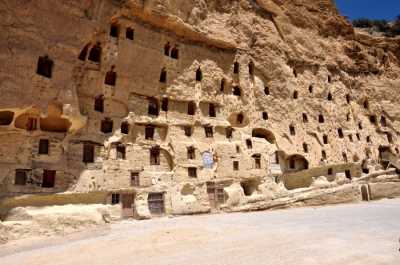
Taşkale lies approximately 45 km from Karaman. Its best-known feature is a rock face containing more than 250 carved grain stores, according to the official description.
Each store comprises one or two chambers. Grain was raised using pulleys and chains, while the rock helped maintain relatively stable temperatures and humidity for storing crops.
The rows of openings high above the town are the striking sight. Allow time to look, take photographs and explore the surroundings.
 The distinction between the two stops:
Manazan reveals homes and life within the rock; Taşkale shows how it was used to preserve food.
 Getting There and Getting Around
Rail services connect Konya and Karaman. Check your travel date, departure station and return time when booking.
TCDD: train booking and timetablesManazan and Taşkale require separate onward transport from Karaman. A car or pre-booked driver offers flexibility to combine both and stop along the way.
Arrange waiting time or a return collection as well as the outward journey to rural sites.
 Suggested Itineraries
 One day:
Karaman Castle in the morning, then Aktekke Mosque or Hatuniye Madrasa, followed by Manazan and Taşkale, leaving enough time to return.
 Two days:
Spend day one exploring the centre at a relaxed pace.
Use day two for Manazan, Taşkale and suitable stops along the road.
 Bring secure footwear and water, and visit the rock-cut sites in daylight. For families who prefer easy walking, concentrate on exterior views rather than difficult passages. Karaman Culture and Tourism Directorate: landmarks and official information
 Related topics
 Lake Beyşehir 2026: Islands, Beaches, Wooden Mosques and Nature
 Çatalhöyük and Sille 2026: Neolithic Heritage, Stone Houses and Konya Museums
 Konya Transport 2026: Trams, Buses, High-Speed Trains and Airport Transfers
- Mevlana Museum and Spiritual Konya 2026: Rumi’s Tomb, Sema and Historic Mosques
- Derinkuyu and Kaymaklı 2026: Cappadocia’s Underground Cities and Tunnels
 Niğde, Bor and Aladağlar 2026: Tyana, Villages and Nature Trails
Last edited by a moderator: