

- Joined
- Nov 2, 2025
- Messages
- 282
- Reaction score
- 0
- Points
- 16
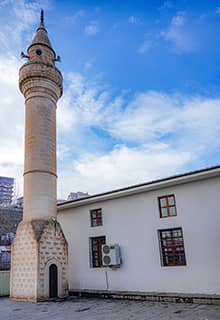
İsfahan Bey Mosque, one of Bingöl's principal historic landmarks.
Bingöl is a useful base for its surrounding districts, but the centre itself deserves time for food, walking and local heritage. Buban offers a separate outing beyond the city to distinctive rock formations. Give each part its own time so the day includes opportunities to stop and appreciate the places you visit.
 İsfahan Bey Mosque in the Centre
The mosque dates to the early sixteenth century and stands in the Lower Bazaar area. Built in cut stone, it has undergone several repairs over time. Visit quietly, observing the façade and materials from accessible areas. During prayers, leave interior photography and exploration until later, continuing your walk around the surrounding neighbourhood as time and activity allow.
 Food as an Introduction to the City
Local dishes include sorina, rolled dough served with yoghurt, garlic and butter, and mastuva, made with yoghurt and rice. The area is also known for honey. Ask which dishes the restaurant actually prepares and check ingredients before ordering, particularly if you avoid a particular food. When buying honey or other products for travel, check packaging, origin and storage requirements.
 Finding the Buban Formations
Buban lies at Oğuldere village in the Sancak area, described in tourism information as approximately 50 kilometres from Bingöl centre. Save the name Oğuldere when planning the route. This is an outing outside the city, requiring its own travel time rather than a brief stop between closely spaced meals or before an urgent departure. Arrange transport and the return journey and check the approach before setting off.
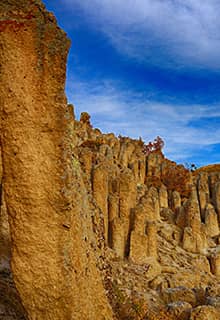
Buban's pointed rock formations near Oğuldere village.
 Volcanic Rock Revealed by Erosion
Erosion of volcanic tuff by runoff and wind has exposed these pointed forms over a long period. A geomorphological study of the site identifies more resistant volcanic gas-segregation pipes within the formations, adding detail to the explanation of their origin. Begin with a wide view that shows the valley, then choose an angle revealing their differing sizes. Keep off the formations and leave every fragment in place; their shape and setting can be appreciated without climbing or approaching too closely.
 A Gift Connected with the Place
Woollen textiles and carpets are among Bingöl's known crafts, with plant and geometric motifs. If a piece catches your interest, ask about its materials, maker and care. Compare its size and weight with your luggage before buying. Visiting shops can be an opportunity to understand the craft even if you simply look.
 Keeping the Programme Flexible
Devote part of the day to the centre, mosque and local food, with Buban as a separate part if conditions allow. Visit the formations with enough daylight, bringing water and footwear suited to the ground. With children or anyone who finds uneven terrain difficult, use a suitable viewpoint to shorten the walk and leave time to rest and return.
 Related topics
 - Solhan and the Floating Islands 2026: Location, Landscape and Visiting
- Kiğı and Adaklı 2026: Stone Architecture and Bingöl Village Heritage
- Bingöl by Season 2026: Karlıova Sunrise and Hesarek Skiing
- Muş and Murat Bridge 2026: The City, Plain and Local Food
- Varto 2026: Kayalıdere, Hamurpet Lakes and Visitor Access
- Bulanık and Lake Haçlı 2026: The Plain, Lakeside Scenery and Esenlik Mosque
- Malazgirt 2026: The Castle, Monument, Museum and the Battle of 1071
- Bingöl: A Thousand Lakes and the Mountains of Eastern Türkiye
- Muş: Spring Flowers and Rural Life in Eastern Türkiye
Last edited by a moderator: