

- Joined
- Nov 2, 2025
- Messages
- 282
- Reaction score
- 0
- Points
- 16
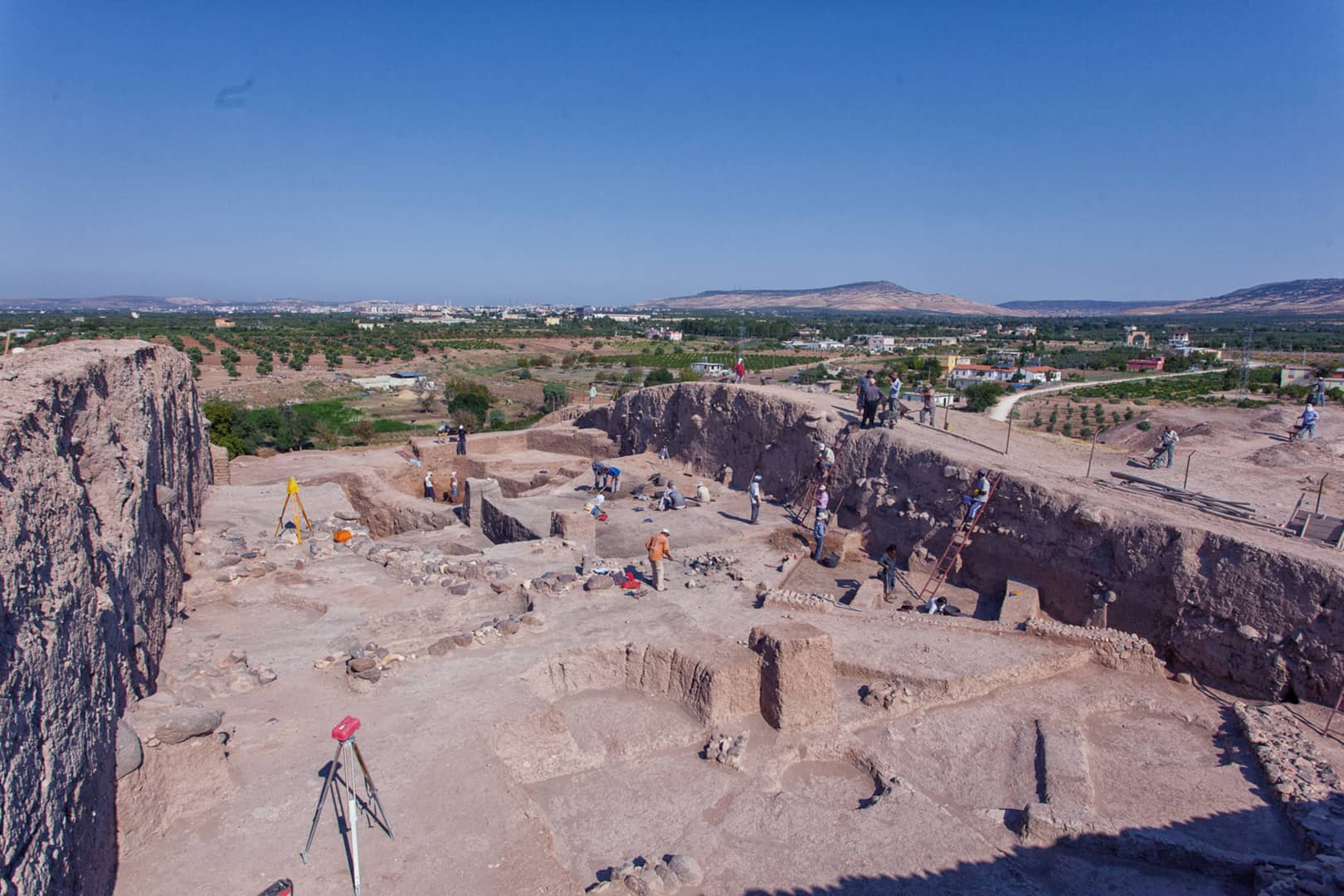
Oylum Höyük: archaeological layers revealing the history of settlement on the Kilis plain.
Oylum Höyük, near Kilis, offers a chance to see archaeological layers and mosaics beyond the museum galleries. The mound and nearby Aidesim Basilica were announced open to visitors following completion of a landscaping and visitor-route project. Keep to the areas designated for public access: this remains an archaeological site.
1.  On the Kilis–Gaziantep road
The mound stands in the Oylum area, on the road corridor between Kilis and Gaziantep, overlooking the Kilis plain. Search for Oylum Höyük, then confirm the actual visitor entrance. If arriving in a hire car or with a driver, arrange parking and your return at the outset. The map pin for the mound may not mark the reception area or the start of the visitor walkway.
2.  Reading the layers of the mound
An archaeological tell is a mound built up through successive periods of occupation, rather than simply a natural hill. Excavations reveal aspects of everyday life, buildings and trade. Oylum occupied an important position between Anatolia, Mesopotamia and northern Syria. Focus on the interpretation and the sequence of layers; complete buildings are not visible in every area. Much of the site's value lies in understanding the traces preserved in the ground.
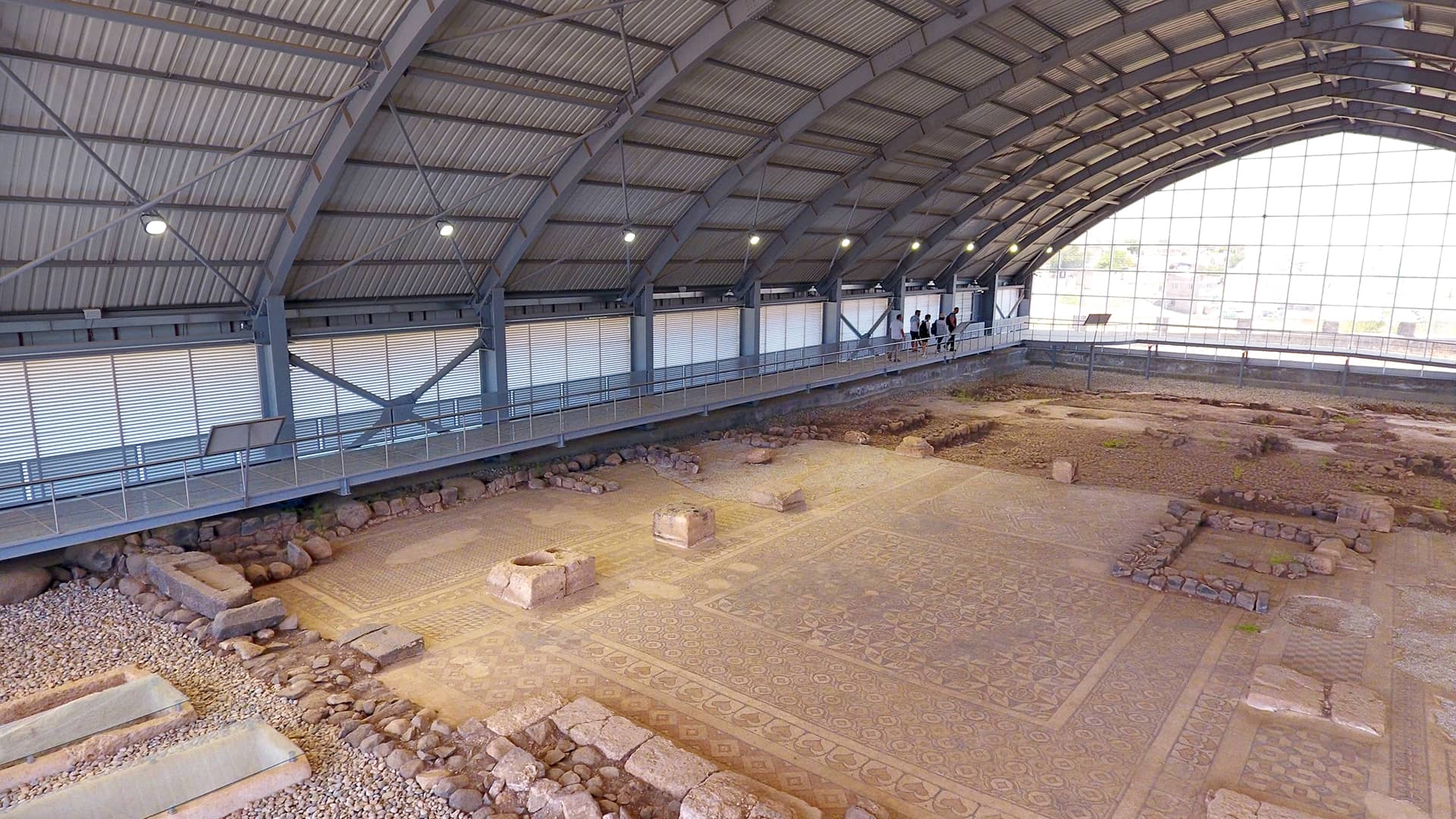
The mosaic floor of Aidesim Basilica, close to Oylum Höyük.
3.  Aidesim Basilica and its mosaics
The basilica near the mound is known for its mosaic floor, decorated with geometric and plant motifs. Visiting both places brings together an excavation landscape and a different example of ancient religious art and architecture. Read the interpretation panels or listen to the staff to understand the part you are viewing. Only walk over ancient floors where the designated route permits it, and keep away from excavation edges when taking photographs.
4.  The new visitor route
The improvement project included a reception area, pedestrian walkways and places to rest, while protecting the excavation zone. These give the visit a clearer structure than wandering around the mound. Check admission arrangements when planning, including any restrictions during excavations or maintenance. An opening announcement does not mean that every archaeological sector is accessible all day or without supervision. The official Aidesim listing advises contacting Kilis Museum Directorate to arrange a visit, gives hours of 08:00–17:00 and lists Monday as closed; confirm these details for your date. The contact number is +90 348 813 20 37. Kilis Museum itself is separately listed as temporarily closed for maintenance and repairs from 2 July 2026. Ask the directorate about the archaeological site directly; the museum-gallery closure does not by itself establish the status of Oylum or Aidesim.
| Place | What distinguishes it | What to confirm before departure |
|---|---|---|
| Oylum Höyük | Occupation layers and excavations beside the Kilis plain | Public entrance and sectors accessible during excavation work. |
| Aidesim Basilica | A mosaic floor in a separate building near the mound | Arrangements with the directorate, visiting time and the officially listed Monday closure. |
| Kilis Museum, Sabunhane | A separate museum in the city | The closure announced from 2 July 2026; include its galleries only after a reopening is confirmed. |

A photograph published by the provincial culture and tourism directorate to document the Oylum Höyük and Aidesim visitor-route project.
5.  Combining the site with a day in Kilis
Combine Oylum with a meal and a short walk in Kilis, allowing time to read the displays and pause at the mosaics. Bring water, avoid the strongest heat and wear shoes suitable for outdoor paths. With children, explain the idea of archaeological layers before entering, then encourage them to look for patterns in the decoration. Leave all fragments and stones where they are, and respect working areas and entrances identified by the site team.
| Sequence | Idea | Practical arrangement |
|---|---|---|
| Before departure | Confirm Aidesim and the accessible part of Oylum | Contact the directorate, then arrange your driver or return transport. |
| Archaeological visit | Mound route and mosaics as access permits | Use the walkways and allow time for interpretation and a break. |
| After the site | A meal and a short Kilis walk | Choose a stop near the return route without assuming the museum is accessible. |
 Related topics
 Kilis 2026: The Old Town, Stone Houses and Local Food
- Zeugma and Belkıs 2026: The Ancient City near Nizip
 Zeugma Mosaic Museum 2026: Highlights and Visit Planning
- Gaziantep 2026: The Old Town, Museums and Bazaars
 Rumkale from Gaziantep 2026: Yavuzeli, Kasaba and Euphrates Boat Trips
 Gaziantep Bazaars 2026: Coppersmiths, Zincirli and Local Crafts
 Gaziantep Food 2026: Baklava, Beyran, Kebabs and Menengiç Coffee
 Kilis: A Historic City and Border Gateway in South-Eastern Anatolia