

- Joined
- Nov 2, 2025
- Messages
- 282
- Reaction score
- 0
- Points
- 16
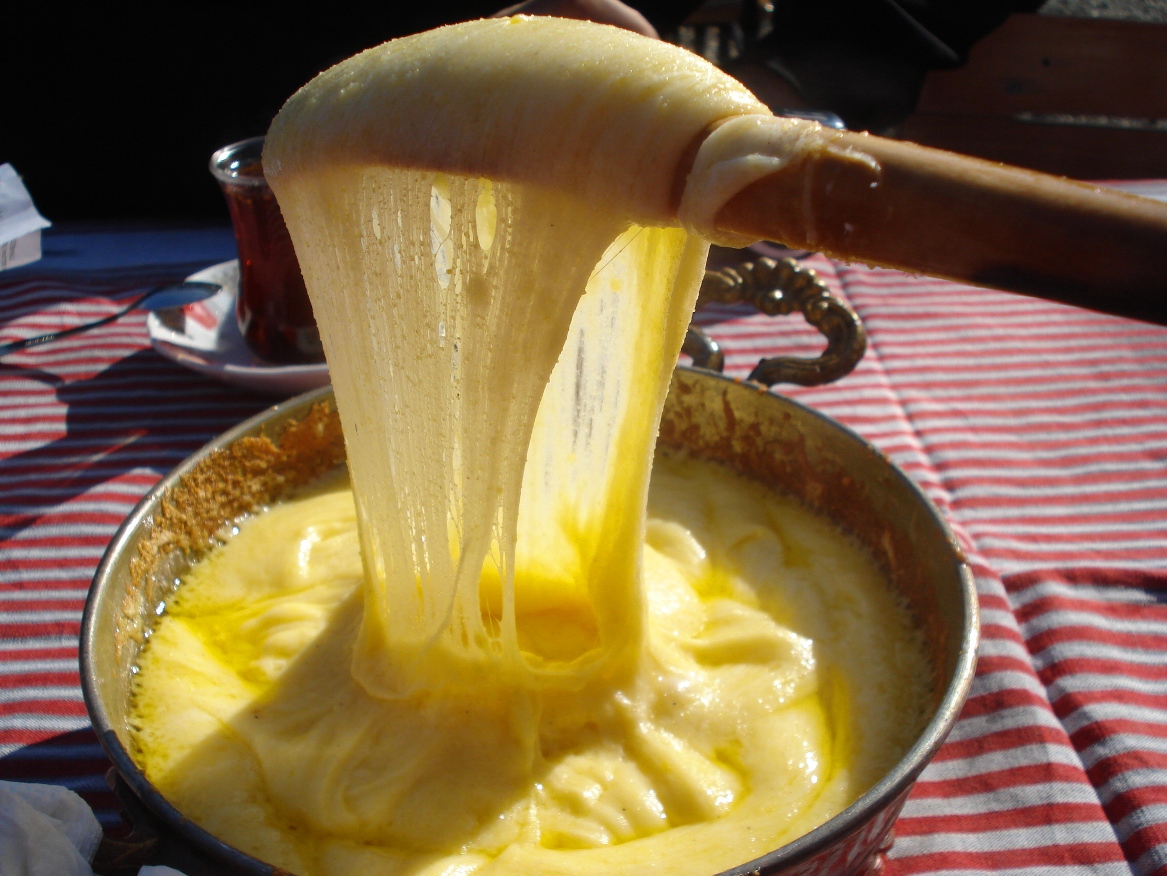
Kuymak is one of Trabzon's best-known local dishes.
Trabzon extends beyond its central city: the province encompasses coastline, valleys, forests, villages and highland pastures. The Black Sea climate and changing elevations help explain differences in farming, architecture and settlement. Alongside its celebrated Sümela Monastery, Uzungöl and urban landmarks, understanding Trabzon means getting to know its local culture and the connections between its districts.
 Coast, Valleys and Districts
Trabzon's centre lies on the coast, with districts including Akçaabat, Yomra, Araklı, Sürmene and Of around it, while Maçka and Çaykara lead inland into the mountains. Valleys form natural links between the sea, villages and highland settlements. The province contains several distinct environments: changes in elevation and distance from the coast are reflected in its scenery, vegetation and buildings.
 Villages and Rural Architecture
Rural settlements occupy hillsides and valleys, with timber and stone featuring in local building traditions. Homes and their positions respond to steep ground, moisture and the use of surrounding land; seasonal highland dwellings differ from urban neighbourhoods. Villages are an important part of the province's social life, with homes, farms and productive work giving them a character of their own.
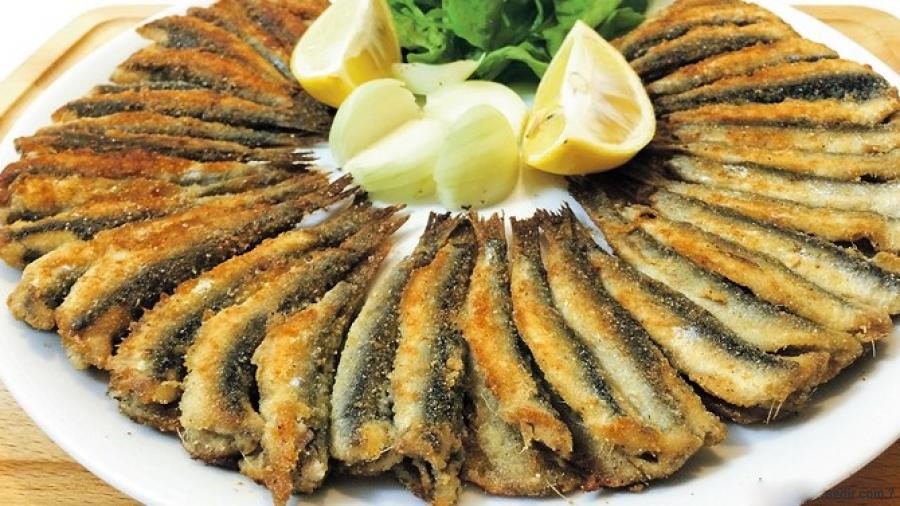
Hamsi, or anchovies, feature prominently in Trabzon cuisine.
 Crafts, Music and Identity
The horon dance, kemençe fiddle and traditional crafts are distinctive expressions of local culture. Sürmene is also known for its knife-making heritage. Markets and handmade goods reflect the city's relationship with trade and local work. These traditions have a place in celebrations and social memory, connecting coastal and village communities across their different settings.
 Food and Its Local Roots
Local cooking includes anchovy dishes, kuymak and cornbread, alongside milk, cheese, butter and other rural produce. This variety reflects the relationship between food, the sea, pastures and crops. Some specialities are closely associated with particular places, such as Hamsiköy sütlaç rice pudding and Akçaabat köfte meatballs.
 Practical Notes
Conditions differ between the coast and highlands, and visibility and temperature can change quickly. Choose places suited to your group's abilities and respect the privacy of villages and the rules of heritage sites. For detailed accommodation, restaurant or transport planning, turn to the dedicated guides; this overview provides the context for understanding the province.
 Related topics
- Old Trabzon 2026: Bazaars, City Walls and the Kostaki Museum
- Trabzon Heritage 2026: Hagia Sophia and Atatürk Mansion
- Sümela and Altındere 2026: Monastery History, Architecture and Forests
- Uzungöl and Çaykara 2026: Lake, Valley, Villages and Forests
- Hamsiköy and Zigana 2026: Mountain Villages, Pastures and Heritage
- Akçaabat, Lake Sera and Hıdırnebi 2026: Coastal Heritage and Highlands
- Sultan Murat and Demirkapı 2026: Pastures, Villages and Mountain Lakes
- Fındıklı and Pazar 2026: Coast, Historic Houses and Tea Villages
- Rize 2026: Tea, Castle, Museum and Gardens
Last edited by a moderator: