

- Joined
- Nov 2, 2025
- Messages
- 282
- Reaction score
- 0
- Points
- 16
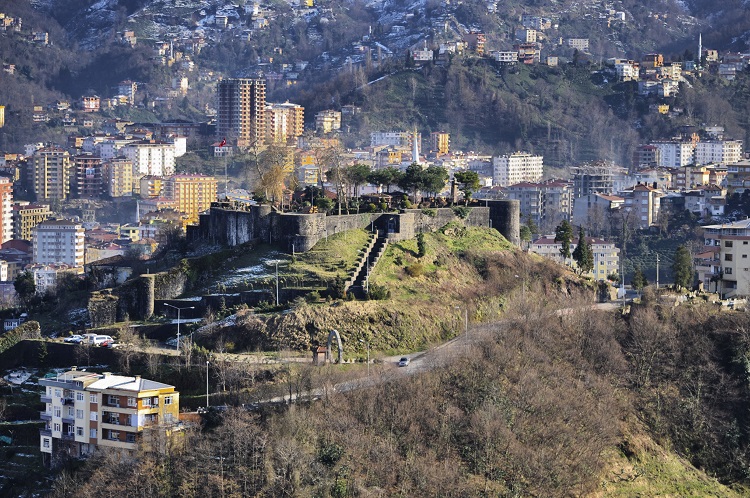
Rize Castle on the hills above the city.
Rize stands on the eastern Black Sea coast, backed by green slopes dotted with tea plantations and villages. Its identity brings together the sea, agriculture, a wet climate and architectural heritage, while the castle and city museum complement its natural setting. Getting to know the centre helps explain the wider province, also celebrated for the Fırtına Valley and Kaçkar highlands.
 Tea and the Agricultural Landscape
Tea is one of Rize's defining economic and cultural features. Its fields cover the slopes in rows that follow the contours of the land. The humid climate and abundant rainfall helped establish the crop, which now shapes village landscapes, local work and everyday hospitality. This farmland links the city with its surroundings: the plantations are part of people's livelihoods as well as their green setting.
 The Castle and Its History
Rize Castle rises above part of the city and includes surviving sections and walls from different historical phases. Its commanding position illustrates the connection between fortification, the settlement and coastal observation, while making it a prominent urban landmark. The surviving structures do not represent the entire original castle; its walls and towers belong to a long history of building and change.
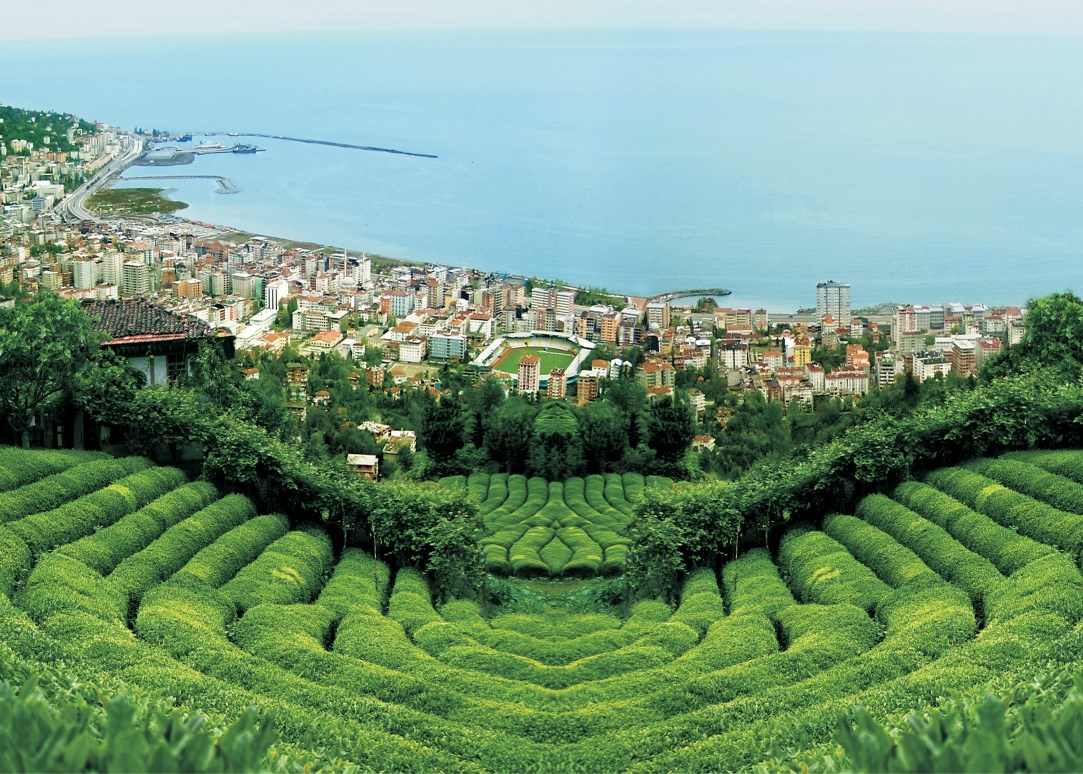
Tea plantations above Rize and the Black Sea coast.
 The Museum and Traditional Domestic Life
Rize's ethnographic museum presents local heritage in a historic building, where the architecture is as much a part of the experience as the collection. Everyday tools, clothing and crafts help explain domestic life and work in the region. Such displays preserve the city's social memory, bringing ordinary lives into view alongside the history of its rulers.
 Gardens, Coast and the Character of the Centre
The coast, built-up areas and gardens meet the cultivated slopes behind the city, placing Rize at the junction of a maritime environment and the countryside. Hills, homes, gathering places and commercial activity all contribute to its appearance. Tea and local traditions complement the historic landmarks; together, they show how the city grew around the sea and productive land.
 Practical Notes
Choose a spell of clear visibility for views from the castle and check that the museum is open before visiting. Ask permission before entering tea plantations or homes, and take the steepness of the slopes into account.
 Related topics
 - Fırtına Valley and Ardeşen 2026: River, Bridges, Villages and Heritage
- Çamlıhemşin, Zilkale and Palovit 2026: Villages, Castle and Waterfall
- Ayder 2026: Pastures, Forests, Waterfalls and Thermal Springs
- Pokut and Sal 2026: Pastures, Wooden Houses and Highland Landscapes
- Kaçkar and Yukarı Kavron 2026: Peaks, Lakes, Forests and Pastures
- İkizdere and Anzer 2026: Valleys, Villages, Pastures and Honey Heritage
- Fındıklı and Pazar 2026: Coast, Historic Houses and Tea Villages
- Artvin 2026: Mountain City, Çoruh Valley and Heritage
- Borçka and Camili 2026: Karagöl, Forests and Maçahel Villages
Last edited by a moderator: