

المسافر
Active member
- Joined
- Dec 3, 2025
- Messages
- 189
- Reaction score
- 0
- Points
- 16
 Introduction
Many buyers hope for an attractive property investment but do not calculate monthly or annual rent, recurring costs and the return after deductions.This guide explains annual, monthly and tourist letting; differences between destinations such as Istanbul, Antalya and Trabzon; a step-by-step yield calculation; and mistakes that can substantially reduce the expected return.
 Common letting models
Annual tenancy- Typically a 12-month agreement with a family, employee or student.
- Offers relatively predictable income and less intensive management.
- Income may be lower than peak tourist-let revenue, and annual rent increases are subject to applicable rules.
 Monthly or medium-term letting
- May suit students, temporary employees and visitors staying for several months.
- Combines some income stability with flexibility.
- Check the rules applicable to the actual letting duration and use.
 Tourist or daily letting, through Airbnb or direct bookings
- Relevant destinations include Istanbul, Antalya, Alanya, Trabzon, Sapanca and parts of northern Türkiye.
- Peak-season daily rates can be attractive.
- Income is seasonal and requires effective management and compliance with short-term letting requirements.
Calculating rental yield
Distinguish gross from net yield:
> Gross annual yield = (Annual rental income before expenses ÷ Total acquisition cost) × 100
> Net annual yield = (Annual rental income after expenses ÷ Total acquisition cost) × 100
Illustrative example, not a market forecast:
- Total acquisition cost, including fees: US$150,000.
- Annual rental income after expenses: US$9,000.
Net yield = 9,000 ÷ 150,000 × 100 = approximately 6% a year.
Use the full acquisition cost in the denominator, rather than just the advertised apartment price.
How location affects the letting model
These are broad considerations, not official yield statistics.
Istanbul- Sought-after residential areas may support year-round tenancies.
- Tourist letting depends heavily on the neighbourhood and applicable regulations.
- Buyers may seek a balance of rental income and potential capital appreciation.
Antalya and Alanya- Summer tourism can support strong seasonal demand.
- Demand may weaken outside the main season.
- Owners need to accept fluctuations or consider a lawful mix of letting durations.
Trabzon and northern Türkiye- Arab tourism contributes to summer demand.
- Winters are generally quieter and colder.
- A family holiday home may also offer seasonal rental potential.
 Bursa, Yalova and Sapanca
- Residential apartments may attract local families or residents.
- Villas and cabins may serve short-stay or weekend demand, subject to the relevant permits.
- The return depends on the property type and local market.
Expenses that reduce the actual return
Complex charges, or aidat- Luxury facilities may mean higher charges.
- Include the share actually borne by the owner in the calculation.
Tax obligations- Rental income may create filing and tax obligations whether received personally or through a business.
- Obtain professional advice and budget for the applicable tax.
Insurance and maintenance- Compulsory earthquake insurance, DASK, where applicable.
- Optional home insurance.
- Repairs, routine maintenance and periodic repainting.
Management, particularly for tourist lets- A management or booking company may charge a percentage or fixed fee.
- Include cleaning between guests, key handovers, complaints and supervision.
These costs can materially reduce net income, especially for short-stay accommodation.
 Pure investment versus a family home
For a pure investment:
- Seek genuine rental demand.
- Assess access to metro, universities and employment, or the coast and tourist centres where relevant.
- Calculate acquisition cost, net yield and an approximate payback period.
For a family home let when unused:
- Prioritise comfort, nearby services and the setting.
- Treat rental income as an additional benefit rather than the overriding objective.
 Mistakes that undermine returns
- Buying in an area with little genuine tenant demand simply because it is cheap.
- Accepting a salesperson’s ‘guaranteed 10% a year’ without examining credible figures and contractual terms.
- Omitting complex charges, annual taxes and fees, management and maintenance.
- Choosing a poorly managed building or a noisy neighbourhood with weak services or other persistent problems.
 Build a simple model before buying
Obtain annual rental-income estimates for the relevant letting model from several sources. List the full purchase cost, expected rent and all fixed and variable annual expenses. Calculate net yield = (Net income ÷ Full cost) × 100. Decide whether the return justifies committing your capital, or whether the property makes more sense primarily as a family home.A measured calculation based on evidence is a stronger foundation than attractive photographs and sales projections.
 Contract duration and permission
Tourist-purpose letting for no more than 100 days at a time falls under national Law 7464; describing it as monthly does not itself remove it from scope. Check the permit and applicable building route before budgeting tourist income. Permission to own property does not itself establish permission to operate.
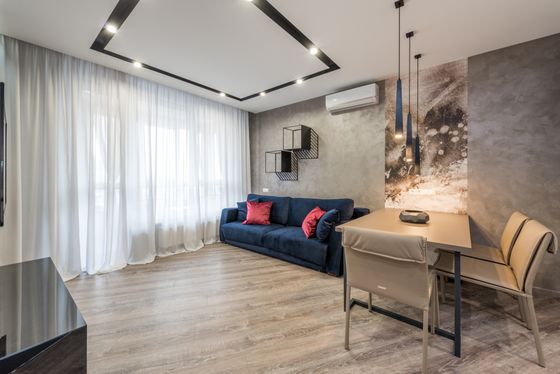
Illustrative residential interior; this is not the location of a property discussed in this guide. Photo: Max Vakhtbovych / Pexels.
 Practical comparison and verification table
| Measure | Method in the illustrative example |
|---|---|
| Full acquisition cost | US$150,000 |
| Annual rent after the expenses included in the calculation | US$9,000 |
| Net yield on this basis | 9,000 ÷ 150,000 × 100 = 6% |
| Define the scope | Were tax, finance and preparation included? Do not compare figures defined differently |
 Related topics
 Assessing a Property Investment in Türkiye: Net Rent, Financing and Risk Property and Rental Income Taxes in Türkiye for Non-residents: Records and Returns A Landlord’s Tenancy Agreement in Türkiye: Rent Increases, Deposits, Maintenance and Records Tourist Rentals in Türkiye in 2026: Permits, Building Requirements and Operations Co-owning Property in Türkiye: Ownership Shares, Management and Exit Istanbul Property in 2026: Comparing Neighbourhoods, Demand and Resale Liquidity Property in Antalya and Alanya in 2026: Demand, Seasonality and Rental Costs Property in Bursa, Kocaeli and Sakarya in 2026: Homes Near Work and Universities Annual and Tourist Letting in Türkiye: Permits and Net Returns
Last edited by a moderator: