

- Joined
- Nov 2, 2025
- Messages
- 282
- Reaction score
- 0
- Points
- 16
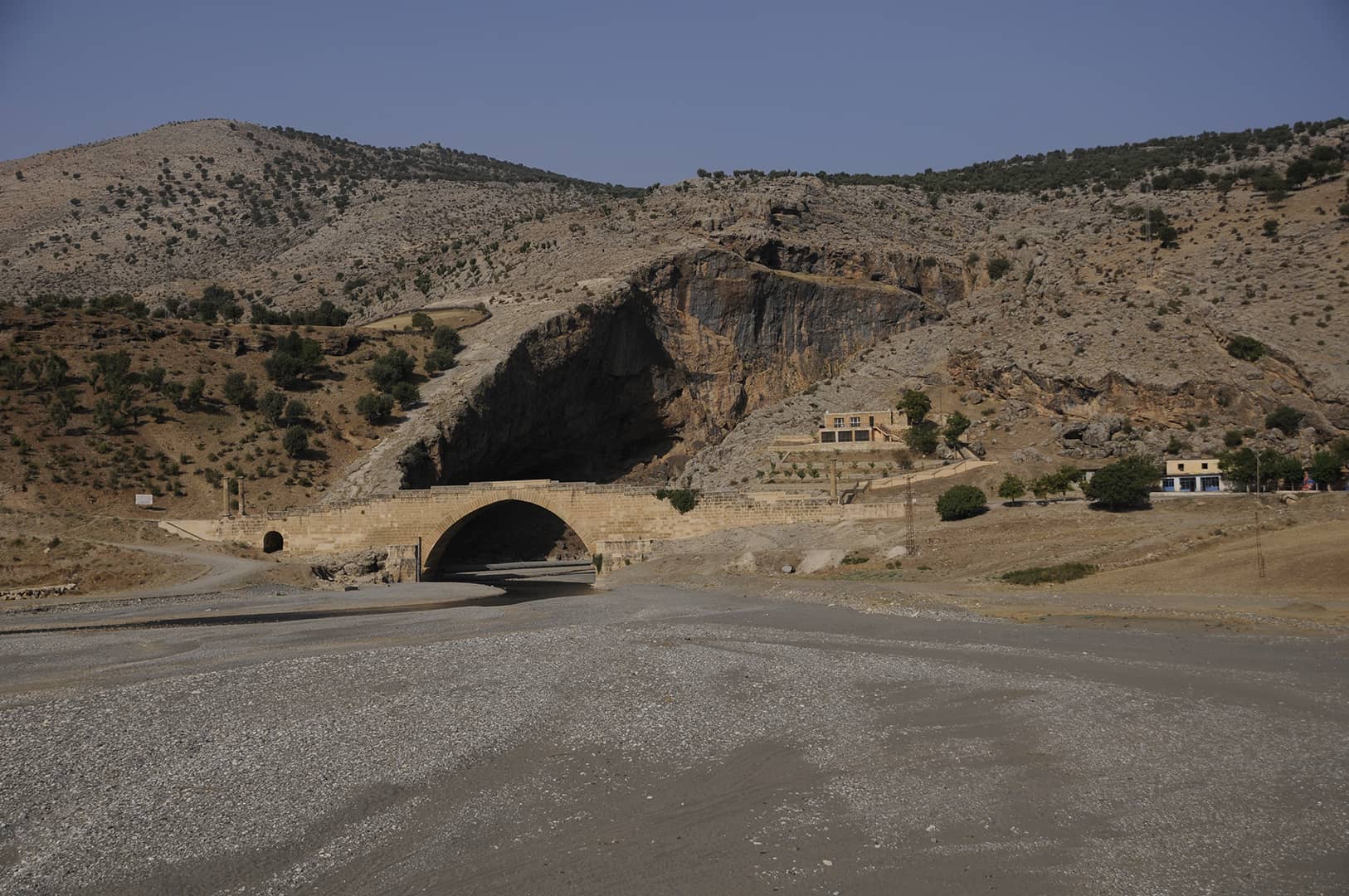
The stone arch of historic Cendere Bridge.
Karakuş and Cendere Bridge offer contrasting stops on the same excursion around Kahta. One is a royal funerary monument associated with Commagene; the other is a Roman bridge spanning a rocky watercourse. Combine them with Arsameia or Nemrut as time permits, allowing enough time for both the drive and the stops themselves.
 The royal burial mound of Karakuş
Karakuş takes its name from the eagle sculpture on one of its columns. The artificial mound is a funerary monument associated with women of Commagene's royal family, rather than a castle or residential settlement.
Start with the site as a whole before examining the columns and inscriptions from the available path. This makes its layout easier to understand than concentrating on a single column in isolation.
 After the earthquake
The handshake column and its relief were damaged in the February 2023 earthquakes. They were subsequently restored, and the site's reopening was announced in May that year. Photographs of the fallen column therefore show an earlier condition, rather than a reliable picture of what you will find today.
Further archaeological work or changes to visitor arrangements may take place. Follow the boundaries in force when you arrive, and stay out of the mound and any work areas.
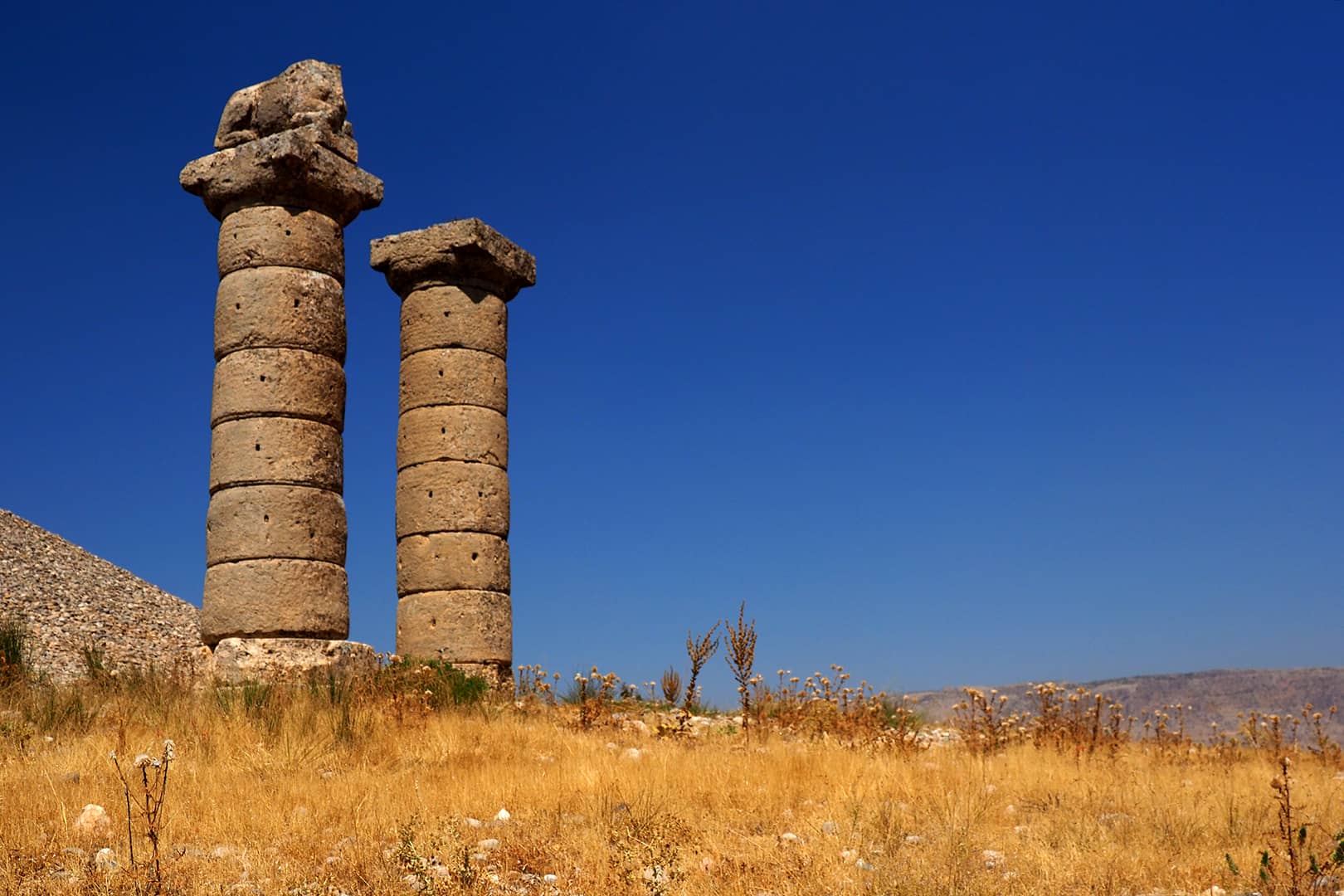
An archival photograph of the columns and funerary mound at Karakuş.
 Cendere's Roman bridge
Cendere Köprüsü is also known as the Bridge of Septimius Severus and dates from the Roman period. Its broad arch, rocky setting and entrance columns all deserve a closer look.
There were originally four columns. Three remain after the column associated with Geta was removed during the Roman struggle for power. Details such as these reward a leisurely walk across the bridge.
 Viewing and photographing the bridge
Begin with a wide view showing the arch, water and rocks, then move closer to photograph the columns. You do not need to descend to the riverbed for a clear view.
The historic bridge is for walking and sightseeing; vehicles use the nearby modern bridge. Respect barriers, and do not assume the water or valley sides provide a suitable place to swim.
 Planning the excursion
For sunset at Nemrut, visit these stops before the climb to the summit. If you are going for sunrise, discuss stopping on the return journey, subject to opening hours and the weather.
Bring water, a hat and comfortable shoes. Agree the length of each stop and the meeting point with your driver, especially if you want time for both walking and photography.
 Related topics
 Arsameia 2026: The Handshake Relief and Commagene's Summer Capital
 Mount Nemrut 2026: Commagene Statues and Sunrise at the Summit
- Perre 2026: Rock Tombs and a Roman Fountain near Adıyaman
 Adıyaman City 2026: Hıtap, Çiğ Köfte and Museum Status
 Besni 2026: The Old Settlement, Besni Tava and Local Raisins
 Gölbaşı Lakes 2026: Walks and Birdwatching West of Adıyaman
 Gerger and the Euphrates 2026: Canyon Views and Castle Heritage
 Adıyaman: Royal Monuments and Mount Nemrut in South-Eastern Anatolia
- Şanlıurfa: A City of Prophets and Legends
Last edited by a moderator: