

- Joined
- Nov 2, 2025
- Messages
- 282
- Reaction score
- 0
- Points
- 16
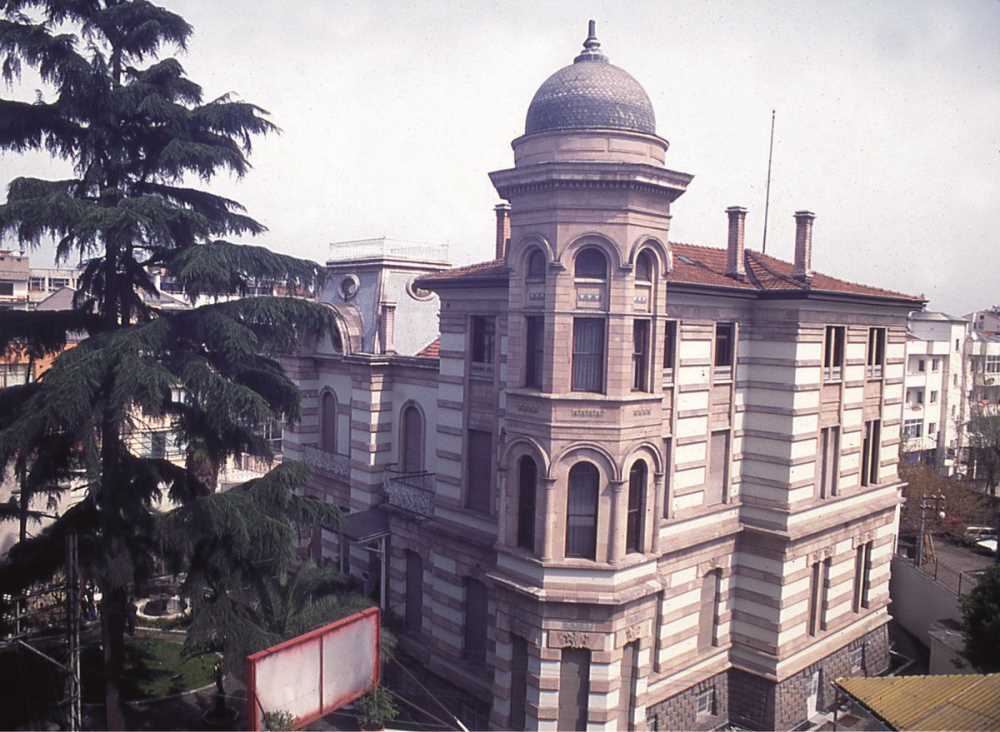
Kostaki Mansion, home to Trabzon Museum.
Trabzon is a coastal city with a long commercial and cultural history. Its older neighbourhoods reveal a different side to a province often pictured through its lakes and mountain pastures. Modern buildings stand alongside markets, walls and historic homes. The city's identity emerges from the relationship between sea trade, crafts and the buildings that record successive periods of urban life.
 Meydan and the old markets
Meydan is one of the centre's principal public spaces, with Uzun Sokak and Kunduracılar extending through the surrounding area. Shops, commercial façades and lanes remain part of everyday life, while the bazaar and Bedesten preserve an older tradition of trade and craft production. The markets' significance lies in their continuing place within the city and their relationship with nearby streets and buildings, as well as the goods sold there.
 The castle and city walls
Trabzon's walls form a defensive system shaped by the city's growth and terrain, rather than a single castle on an isolated hill. Their sections are known as the Upper, Middle and Lower Castle. The surviving remains show how slopes and valleys helped protect the settlement. Some stretches have become integrated into the modern city, so their condition and extent vary from one location to another.
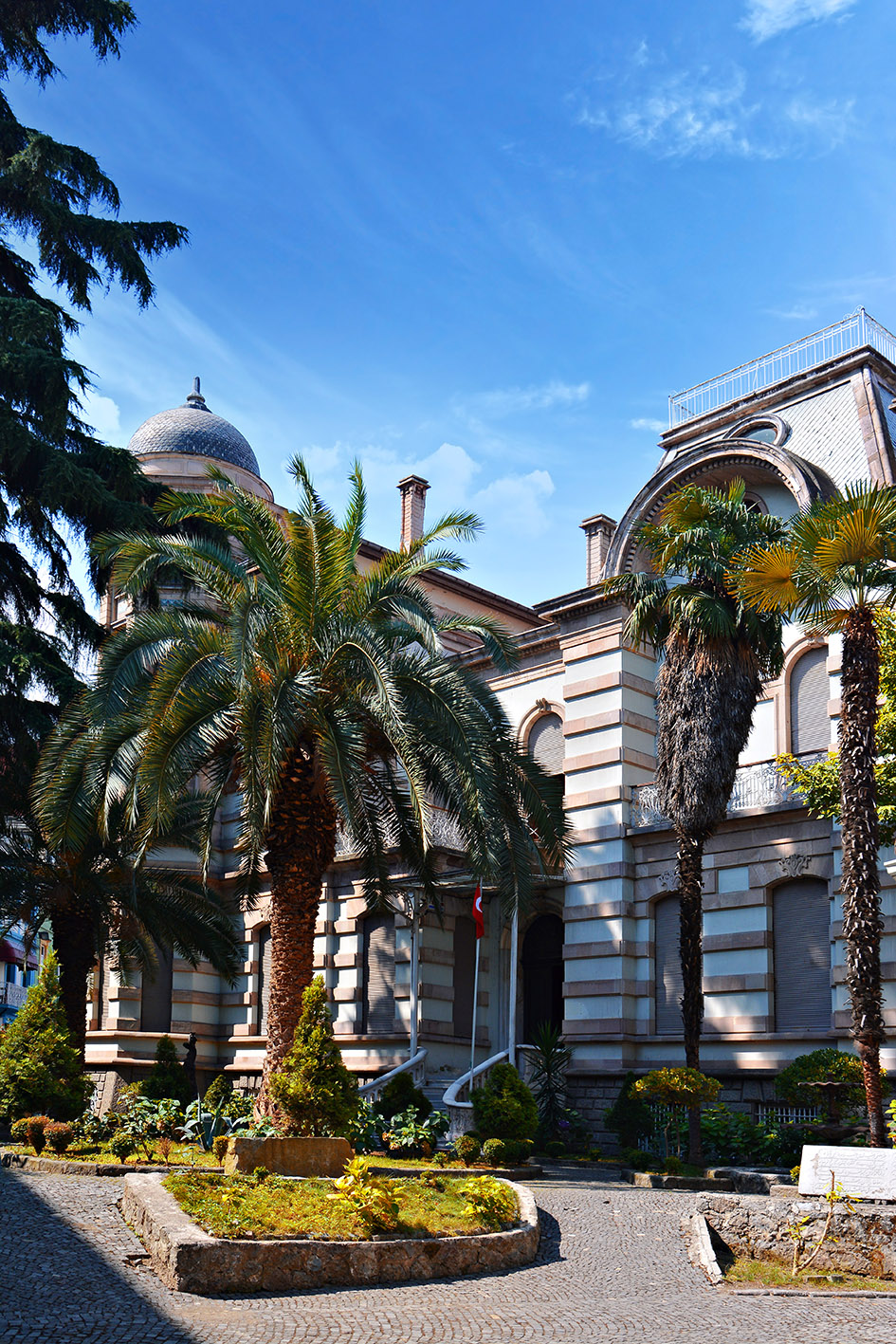
The façade of historic Kostaki Mansion in central Trabzon.
 Kostaki Mansion and Trabzon Museum
Kostaki Mansion was built as a substantial private residence around the beginning of the twentieth century. It served several later purposes before becoming home to Trabzon Museum. Its façades and interior decoration reflect the city's cultural and commercial connections with Europe. The house and its collections deserve attention together: the mansion itself records the building traditions and urban life of its period.
 Crafts and urban memory
Jewellery, metalwork, textiles and local products form part of Trabzon's identity. Its centre also retains traces of religious and social diversity across different periods. Grand mansions, modest homes and market buildings have distinct façades and functions, showing how varied the urban fabric has always been. These details complement the province's natural attractions and give the city centre its own place among Black Sea destinations.
 Winter hours: 1 October 2026–1 May 2027
| Site | Visiting hours | Ticket-office closing time and notes |
|---|---|---|
| Trabzon Museum (Kostaki Mansion) | 08:00–17:00 | Ticket office closes at 16:30; the museum is closed on Mondays |
| Sümela archaeological site | 08:00–17:00 | Ticket office closes at 16:30 |
| Küçük Ayvasıl Church | 08:00–17:00 | The schedule does not state a separate ticket-office closing time |
The Monday closure stated here applies to Trabzon Museum; it should not be extended to Sümela or the church. Check any date-specific notices before setting out.
 Practical notes
Daylight is best for observing the walls and building façades. Confirm that the museum is open before visiting. Some neighbourhoods are steep, while other buildings are private homes or remain in use; respect residents' privacy and stay within accessible areas. The sights can comfortably be spread over several visits.
 Related topics
- Trabzon Heritage 2026: Hagia Sophia and Atatürk Mansion
- Sümela and Altındere 2026: Monastery History, Architecture and Forests
- Uzungöl and Çaykara 2026: Lake, Valley, Villages and Forests
- Hamsiköy and Zigana 2026: Mountain Villages, Pastures and Heritage
- Akçaabat, Lake Sera and Hıdırnebi 2026: Coastal Heritage and Highlands
- Sultan Murat and Demirkapı 2026: Pastures, Villages and Mountain Lakes
- Trabzon 2026: Regional Identity, Villages and Local Culture
- Rize 2026: Tea, Castle, Museum and Gardens
- Fırtına Valley and Ardeşen 2026: River, Bridges, Villages and Heritage
Last edited by a moderator: