

- Joined
- Nov 2, 2025
- Messages
- 282
- Reaction score
- 0
- Points
- 16

Pertek Castle on its island in the Keban reservoir.
Pertek, Mazgirt and Çemişgezek reveal a side of Tunceli distinct from its high northern valleys: historic towns, farmland, livestock keeping and links with Elazığ across the Keban reservoir. Their terrain and production differ, with shores, plains and uplands supporting varied livelihoods. The reservoir has helped reshape this southern part of the province.
 Pertek: The Castle and Connections with Elazığ
Much of Pertek's southern and eastern boundary follows the Keban reservoir. The provincial tourism directorate describes close economic and social ties with Elazığ. Farming, livestock and vegetable growing are important, alongside fishing in the reservoir.
Pertek Castle makes the dam's effect on the landscape particularly clear. It once stood on a height beside the Murat River; after the reservoir filled, that height became an island. Its original construction date is uncertain, while the Culture Portal records repairs during the Ottoman period.
The castle therefore connects older heritage with a relatively recent waterscape. Its story belongs alongside the town's transformation by the reservoir.
 Mazgirt: Farming, the Castle and Crafts
The tourism directorate describes southern Mazgirt as suitable for mechanised farming, with agriculture and livestock keeping combined further north. Crops include wheat, barley, pulses and potatoes, as well as fruit.
It also identifies pottery in Akpazar among the area's local crafts.
Mazgirt town is associated with the castle on a hill to its north, Elti Hatun Mosque and tomb, and other historic remains. The setting helps explain the distribution of activity: suitable land is cultivated, while elevated sites carry traces of settlement and defence.
The castle is one part of a wider identity that also includes working countryside and local crafts.
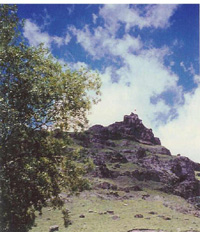
Mazgirt Castle and its elevated setting.
 Çemişgezek: Mulberries, Cheese and Heritage
Çemişgezek combines a more mountainous north with a southern area shaped by the Keban reservoir. Farming and livestock support local livelihoods, including seasonal pastoral movement and the production of Şavak cheese.
Ulukale village is associated with mulberries and products such as pekmez, a thick fruit syrup, and pestil, sheets of dried fruit pulp.
The town's monuments include Yelmaniye Mosque, Hamidiye Madrasa and the old bathhouse, alongside rock-cut sites and evidence of earlier settlement. Exploring these together with rural products gives a fuller picture of how a small town retains agricultural and cultural roles.
 The Keban Reservoir: Crossings and the Environment
The tourism directorate records that the reservoir submerged parts of village lands in all three districts. Ferry facilities on the Pertek and Çemişgezek shores connect them with Elazığ. Water crossings are part of residents' access to markets and services, while the reservoir shapes use of the shore and neighbouring land.
These resources suggest practical opportunities in better storage and marketing of cheese, mulberries and crops, support for crafts, heritage maintenance and well-managed activities around the shore. Water quality, waste management and respect for farmland are essential to making use of the reservoir responsibly.
The waterscape offers greater value when its economic benefits reach local producers and town residents.
 Related topics
- Tunceli City 2026: Rivers, Museum and University Life
- Hozat and Nazımiye 2026: Mountain Towns and Rural Heritage
- Kemaliye and Kemah 2026: Karasu Valley and Local Heritage
- Tercan, Çayırlı and Otlukbeli 2026: Plains and Rural Heritage
- Ovacık and Pülümür 2026: Valleys and Rural Life
- Refahiye and İliç 2026: Forests, Villages and Local Economy
- Erzincan and Üzümlü 2026: Plains, Cimin Grapes and Urban Life
- Erzurum: The Historic Capital of Eastern Türkiye
- Elazığ: Lakes and Deep Anatolian Heritage
Last edited by a moderator: