

- Joined
- Feb 23, 2026
- Messages
- 207
- Reaction score
- 0
- Points
- 16
 Perge, Aspendos and Side: Choose What You Actually Want to See
These three names recur in Antalya day tours, but offer different experiences. Perge helps explain an ancient city's layout, streets and amenities; Aspendos draws visitors to its theatre and water engineering; Side combines antiquities with a coastal old town and harbour. Including all three does not guarantee a deeper visit: you may end up with a gateway photograph at each and a long spell on a bus. Choose a priority before booking: an ancient city, a theatre or a historic seaside stroll. Add a second site if distance, heat and walking ability allow. This guide distinguishes archaeological admission from performance tickets and suggests adaptable plans.
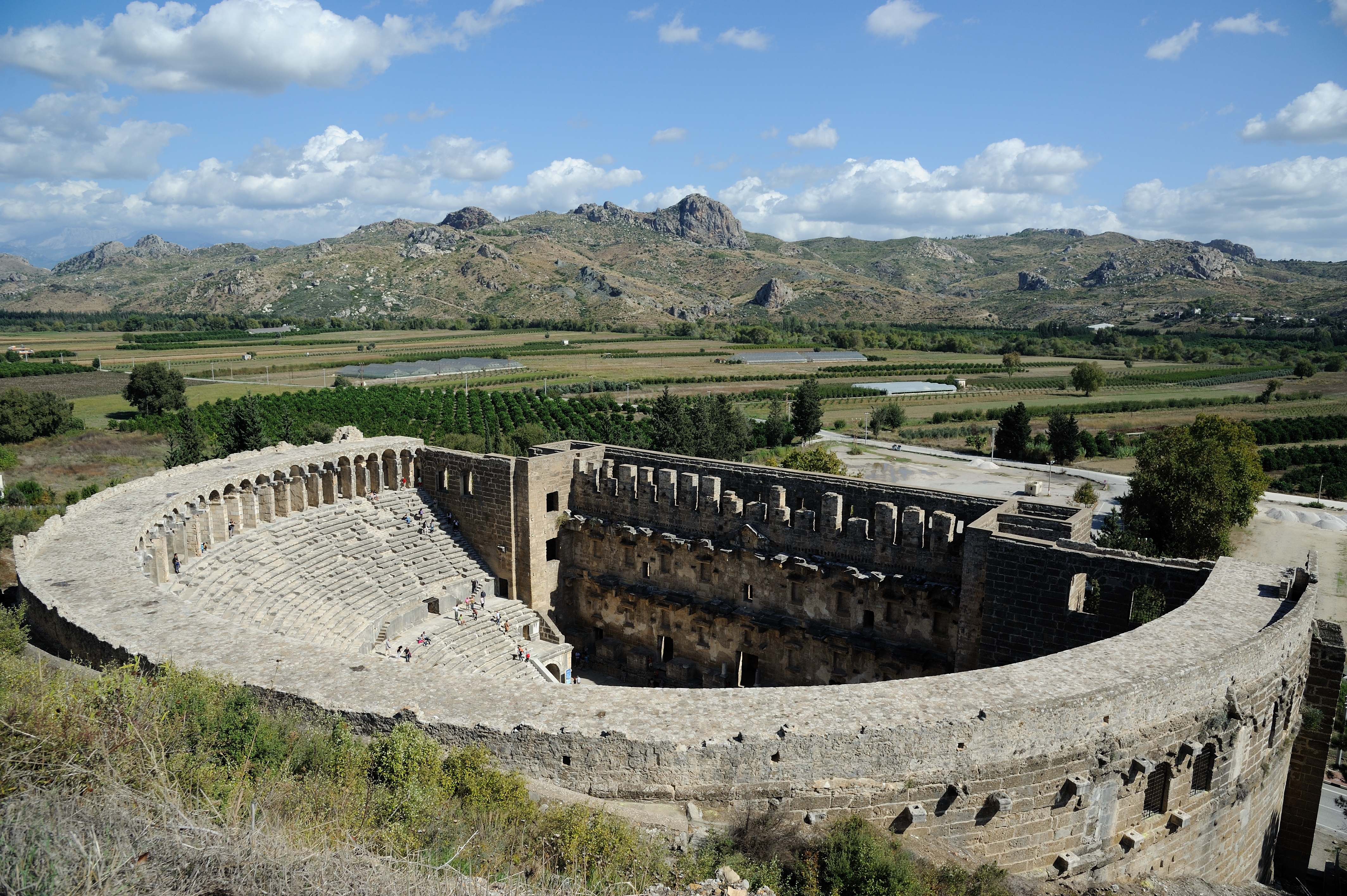
The ancient theatre at Aspendos; this photograph shows the historic building, rather than a performance or reserved seat.
Photograph: Saffron Blaze · CC BY-SA 3.0

 Decide your priorities before mapping the road
Perge lies in Aksu east of central Antalya, Aspendos in Serik near Belkıs, and Side in Manavgat. Arrange the route around your hotel rather than the advert's order. From central Antalya, Perge and Aspendos can be a choice; Aspendos and Side may make more geographical sense from Belek or Side. This is a way to organise locations, rather than a driving-time promise. Use maps on your travel date, allowing for hotel traffic, entrances and parking.
| Place | Main interest | What to check |
|---|---|---|
| Perge | Gates, columns, baths and water channels | Open sections and the theatre closure |
| Aspendos | Theatre, upper city and aqueducts | Permitted route and separate performance tickets |
| Side | Historic theatre, separate museum and a coastal stroll | Theatre restoration closure, each facility's ticket and seasonal night visits |
Do not dismiss the outing because “all ruins look alike”, or visit every site solely for photographs. Choose something a child or older traveller can enjoy: a simple question about a Perge water channel, the theatre's shape at Aspendos, or a short walk towards the sea in Side. These clear aims still work when you shorten the day.

 Perge: read the city instead of counting columns
Start with the entrance map and identify that day's permitted route. Follow an ancient visitor's movement from gateway to public facilities and street. A water channel makes distribution of water a more engaging question than memorising dates. Stop at baths, market and gates in available sections, using the colonnaded street as your practical route. You need not reach the farthest point for a worthwhile visit.
 A fact affecting booking: Perge's ministry page checked on 7 October 2026 states that the ancient theatre is temporarily closed until restoration finishes; the notice remained on 9 October. Older historical text on the same page may mention reopening, but use the current visitor notice for planning. Do not book promised theatre entry without official confirmation that the closure has been lifted. The notice does not automatically close the rest of the city.
Allow roughly an hour and a half to two and a half hours for a first circuit according to interest and heat, as a planning suggestion rather than an official duration. Exposed ground, stones and distances affect pace. When photographs become repetitive and the group seeks shade rather than details, a short rest is better than another street. Do not rely on a café or water seller in every section.

 Aspendos: the theatre and beyond
Aspendos is more than a photograph of seating. First enjoy the theatre's form, façade and tiers within the permitted route, then decide whether to explore upper-city remains or view the aqueducts. The official page describes remains behind the theatre towards the acropolis and aqueducts bringing water from the north. Ask at the gate which route is open, where it starts and whether it returns to the same entrance.
Do not promise that a car reaches every monument or make an upper route compulsory. Climbing theatre steps differs from standing in an easier area; someone wanting a general view should not be pressed to reach the highest row. Respect barriers without tapping stone or shouting to test acoustics. This is a heritage site, and other visitors may be listening to guides.
For architectural photography, allow time for an overall composition followed by a few details. Old photographs do not establish that those routes remain open. For a brief family introduction, an hour to an hour and a half can be a flexible allowance for the theatre and nearby sections. Give the upper city separate time instead of concealing it within “a short visit”.

 A daytime theatre visit is different from an evening performance
An archaeological ticket admits you under its visit conditions; an opera, ballet or concert is sold for a separate programme, date and seat or category. A museum pass or daytime tour ticket does not establish an evening seat reservation. Obtain the work's name, date, organiser and exact venue: “Aspendos” can appear in different products, so a trade name or theatre photograph is insufficient.
The Culture Ministry announced the 33rd International Aspendos Festival for 12–26 September 2026. That period had ended when the guide was prepared on 7 October, so it is not an upcoming event or evidence of performances every evening. For later travel, use the State Opera and Ballet's official programme and the sales channel named by the organiser. Do not infer next year's dates from a past festival.
Ask about seating category, numbering, the steps required to reach seats, child age conditions and late admission rules. Read the product's date-change and cancellation policy rather than promising automatic rain refunds without the organiser's terms. If a dedicated bus is announced, confirm its date, departure point and return; an old bus announcement does not apply to every show.
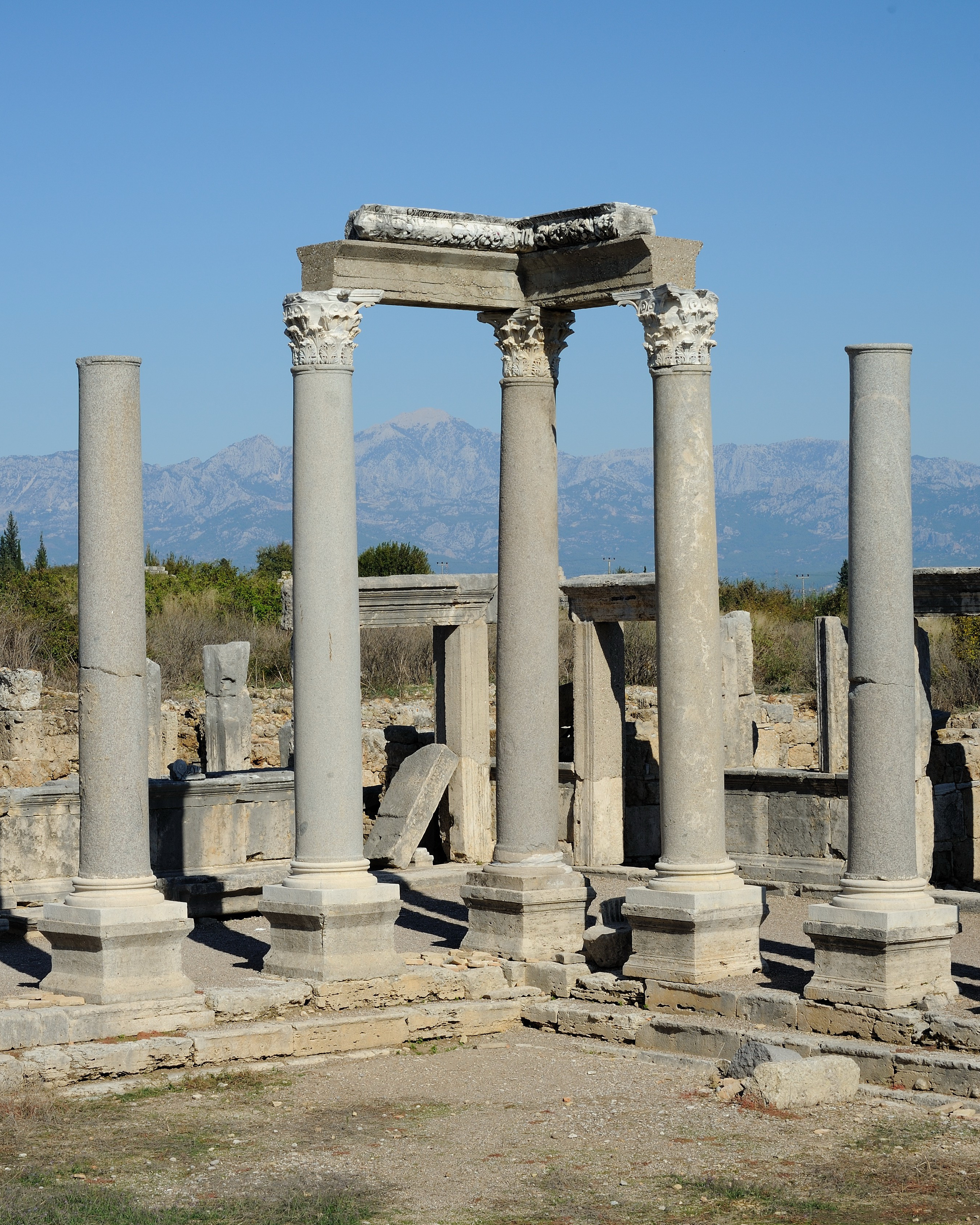
Ancient columns at Perge in Antalya; management determines the sections open on your arrival date.
Photograph: Saffron Blaze · CC BY-SA 3.0

 Side: town, theatre and museum are separate visits
Separate a walk through the old town towards the harbour from admission to managed archaeological areas and Side Museum. Streets, shops and visible remains do not mean you have entered every paid facility. Before buying, ask which site and areas the ticket covers: “Side admission” does not automatically include everything. Check the museum independently if central to your day; being in the area does not mean it opens at the same time.
For a light stroll, choose a route ending by the sea. The theatre is an important historic feature, but the ministry's current closure list records Side Theatre as closed for restoration from 21 November 2024 until works finish. This specific closure remained listed on 13 October 2026 despite the general Side site page being marked open. Plan theatre interior visits and steps only after management confirms reopening. The Apollo and Athena temples area offers a distinctive coastal ending, although sunset varies seasonally and can be busy. Set a meeting time before taking photographs, then return towards the car with a margin for crowded streets.
Night visiting is seasonal and needs a separate check. Side's page checked on 7 October 2026 displayed 19:00–22:00, with the ticket office closing at 21:30; the museum homepage advertised the displayed season through 15 October. Both displays remained when rechecked on 9 October. These are programme-specific details, rather than year-round hours or confirmation that the closed theatre is accessible. Confirm the actual areas, operation and ticket for your chosen evening before travelling.

 Hours and prices without mixing categories
The ministry pages checked on 7 October 2026 displayed daytime hours of 08:00–19:00 for Perge, Aspendos and Side, with ticket offices closing at 18:30; these daytime displays were confirmed on 9 October. Treat them as dated checks and reconfirm near travel, particularly at season changes, during works or around events. A last ticket sale does not provide time to see an entire site minutes before closing. Allow the visit its time or choose an activity without a gate deadline.
The pages distinguish Turkish citizens' MüzeKart benefits from foreign visitor products. Do not apply fees intended for Turkish identity-number holders to every tourist, or assume a child enters free simply because they are young. Check nationality-specific fares, child age and identification, a foreign visitor pass's current coverage, validity and permitted entries. Audio guides, guided tours and theatre performances need separate questions unless explicitly included.

 Organised excursion or independent visit?
An organised tour can help with commentary and transport between distant sites. Compare actual time inside each, rather than hotel-to-hotel duration. A twelve-hour programme might allow only half an hour at Perge after collections, shops and a distant lunch. Ask about group size, guide language, collection time, admission charges and substitutions for closures.
A car or private driver allows flexible heat breaks and omitted stops, but agree the day's end and cost if an evening performance extends it. Visiting three sites then waiting for a concert is not a brief ordinary hire. For public transport, calculate the final link to each entrance and the return; a coastal-road bus does not necessarily stop at an archaeological gate. If needing a taxi for the last section, arrange collection before entering somewhere away from settlements.

 Practical plans by accommodation location
From central Antalya: Begin at Perge in the morning, giving the street and baths time, then stop for lunch or rest before Aspendos in the second part. Finish there if fatigue appears. Add Side only with an energetic group and no early commitment; it need not determine the day's success. From Side: Make Aspendos the principal daytime visit, then return for rest before an evening old-town walk. This reduces successive walking and long road journeys. Keep any ticketed night visit for another evening if its operation or available areas are uncertain; do not plan entry to the closed theatre. For archaeology enthusiasts: Give Perge and Aspendos one day, and Side with its museum another if the museum is open. Begin each day with a different historical question: how was water distributed, how can theatre design be read, and how does an ancient city relate to the sea? This offers more understanding than repeated column photographs. With an evening performance booked: Choose only one daytime site, then a long rest and time to prepare before the show. Keep phone battery, ticket and a written return plan. If it finishes late, do not rely on an immediately available taxi at the gate.
 Heat, steps and access
Much of Perge and the archaeological spaces is exposed. Begin longer walking early and keep midday for rest and transfers. Shade beside a building does not mean shade along the whole route. Rain makes stones harder to negotiate; ask about available paths and choose a shorter visit. A pushchair may help on level sections before requiring different arrangements on uneven ground. Wheelchair access needs a specific description of entrances and facilities rather than a general “accessible” label.
Anyone struggling with stairs should ask staff for a comfortable viewing position before buying, and event organisers for seating without a lengthy climb. Avoid promising full access to every row or archaeological section. If some people rest separately, agree the location, duration and a call on exit: “wait at the ruins” is insufficient in a large area.

 Read images and plans before the outing
Download the official site map or explanatory image before leaving, marking what you want to see without assuming every part is available. Compare Perge's street and channel with the plan; distinguish Aspendos theatre from the higher city. Save separate Side museum and theatre pins to avoid losing booked time in shopping streets, while respecting the theatre closure. Archive photographs explain buildings but do not prove a restoration barrier has gone or a side entrance is open. If you want Arabic commentary, confirm the actual guide language before buying a package with an Arabic title but commentary in other languages.
 Calculate the archaeological day
Add day transport + tickets for each site + audio or guide services + food + parking + an optional evening performance. An illustrative calculation is TRY 2,400 total family admission to two sites, TRY 2,200 transport, TRY 1,000 food and TRY 200 parking: TRY 5,800 before a concert. This is neither an official tariff nor a commercial quote. Four illustrative concert seats at TRY 750 add a further TRY 3,000. Separating items helps reveal when a cheap-looking offer excludes the most important tickets.
 Visit questions and checklist
Must I visit all three? No: two sites with comfortable breaks can make a rich day. Can I enter Perge theatre? Do not promise entry while the restoration notice stands. Does a museum pass reserve an Aspendos seat? A performance requires its separate booking. Is an evening Side stroll the night admission ticket? No: walking through town and entering a paid site are different services, and the theatre closure must also be respected.
- Choose your priority and hotel location before collecting destination names.
- Check open sections and ticket office hours for each site on your date.
- Confirm ticket category, nationality, age and included areas.
- Keep daytime admission and performance reservations separate if using both.
- Prepare water, a hat, sturdy shoes and rest suited to the group.
- Arrange returns from distant sites or performances before departure.
- For closures, choose a confirmed open site or shorter coastal stroll rather than a lengthy improvised change.
 Related topics
  Attractions and Experiences in Türkiye: Historic Sights and Leisure Activities
- The Best Things to Do in Antalya and Alanya for Families and Visitors
- Antalya and Alanya Transport: Trams, Buses and Resort Transfers
- Airport Transfers in Türkiye: Buses, Rail, Taxis and Private Cars
- Travelling Between Cities in Türkiye: Comparing Train, Coach and Plane
- Family Taxis and Private Transfers: Seats, Luggage, Child Restraints and Return Trips
- Hiring a Car in Türkiye: From Booking to Getting Your Deposit Back
- Driving in Türkiye as a Visitor: Licences, Speed Limits, Parking and Route Planning
- Planning Attraction Visits with Children and Older Travellers: Comfort, Access and Booking
Last edited by a moderator: