

- Joined
- Nov 23, 2025
- Messages
- 183
- Reaction score
- 1
- Points
- 18

The Mevlana Museum complex in Konya.
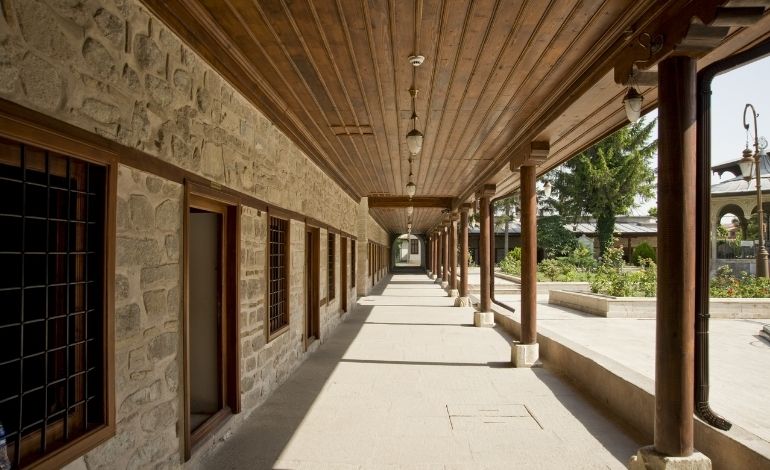
The courtyard at Mevlana Museum.

Visitors in the tomb hall at Mevlana Museum.

An object displayed at Mevlana Museum.
To explore the spiritual and historical side of Sufism in Türkiye
and learn about Jalal al-Din Rumi, known as Mevlana,
Mevlana Museum in Konya is a central place to visit.
For many travellers, it is the very reason to come to Konya.
 Where is Mevlana Museum, and how do you get there?

 Location:
- Near the heart of Konya, close to the centre and its busy districts.
- The building is readily recognisable by its famous green dome, Kubbe-i Hadra, visible from a distance.
 Getting there:
- From central accommodation or nearby hotels, you can arrive on foot.
- Taxis and local buses serve the area. Your hotel or a tourism office can advise on the nearest route.
- If hiring a car, parking can generally be found near the museum.
 What is inside Mevlana Museum?

 The tomb of Mevlana Jalal al-Din Rumi:
- Mevlana's principal tomb lies beneath the green dome, covered with an ornate cloth.
- Nearby are tombs of family members and prominent Mevlevi figures.
 Displays about Mevlevi Sufism:
- Mevlevi dervishes' belongings include turbans, clothing and objects associated with devotional remembrance.
- Old manuscripts, Qur'ans and books relate to Sufism and Mevlevi thought.
 Rooms of the dervish lodge:
- Rooms once served teaching, accommodation and Mevlevi gatherings.
- Some are now arranged as reconstructions of dervish life.
 Manuscripts and texts:
- Examples of Mevlana's writings or later commentaries on his thought and teachings.
- Wall panels explain the Mevlevi order's history and spread.
 The spiritual atmosphere and respect inside

 A place many visitors regard as sacred:
- Many treat it as a spiritual shrine, reciting al-Fatiha or prayers at the tomb.
- The atmosphere is generally quiet, dignified and contemplative.
 Clothing and behaviour:
- Dress modestly, whether male or female.
- Keep your voice low, particularly in the tomb hall.
- Follow photography instructions: photographs or flash may be prohibited in some areas.
 How much time should you allow?

 Estimated visit length:
- A quick visit: 45–60 minutes for the tomb and principal galleries.
- An unhurried visit: 1.5–2 hours to read panels and examine display details.
 Organising your Konya visit:
- Make Mevlana Museum the main focus of your day in Konya.
- You can combine it with:
- A dervish museum or cultural centre, if you want to attend a Sema ceremony and have confirmed its programme.
- Nearby mosques or squares.
 A simple introduction to Mevlana and the Mevlevi tradition

 Who was Mevlana?
- Jalal al-Din Rumi was a thirteenth-century poet and Sufi mystic.
- He is among the world's best-known Sufi figures, and his poetry has been translated into many languages.
 The Mevlevi order and whirling dervishes:
- This Sufi tradition includes devotional remembrance, music and ritual whirling in the Sema ceremony.
- The familiar whirling movement, with one hand facing upwards and the other downwards, symbolises the relationship between humanity, the Creator and the world.
 In the museum:
- Illustrated explanations and panels introduce these ideas.
- Even without detailed knowledge of Sufism, you can appreciate the atmosphere and experience the place quietly.
 Practical visiting information

- Admission:
- The Culture and Tourism Ministry’s portal lists free admission, checked on 14 October 2026.
- Confirm arrangements for your visiting day; attending a Sema ceremony at another venue has its own programme and conditions.
 Opening hours in general:
- The museum opens during the day through to late afternoon or evening.
- Times can change with seasons or public holidays, so confirm them while planning.
 Keep in mind:
- Do not rely indefinitely on one closing time or admission policy; arrangements can change.
- Use this as general guidance, then check the latest details with your hotel, a tourism office or the official website.
 Photography and making the most of the visit

- Photography:
- Photograph the green dome and building from the museum's outdoor square.
- Follow any restrictions in the tomb hall or sensitive sections.
 A visiting tip:
- Walk slowly and read a few translated passages or panels.
- Even if Sufism is not a particular interest, the spiritual atmosphere offers a different experience from other museums and castles.
The museum's appeal:
Mevlana Museum is more than a building or exhibition hall.
It is a spiritual and historical centre
that brings together an aspect of Türkiye's Mevlevi Sufi experience.
When planning a trip to Central Anatolia,
including Konya and Mevlana Museum adds a spiritual and cultural dimension
alongside Türkiye's other natural and historical experiences.
 Related topics
 İstanbul's Museums, Palaces and Historic Sights: Ten Places to Explore
- İstanbul Museums and Palaces: Ticket Types and Opening Hours
- Antalya's Museums and Exhibitions: A Guide for Families and History Enthusiasts
- İstanbul Archaeology Museums: Ancient Civilisations in the Historic City
- Antalya Archaeological Museum: Its Collection and Closure Update
- Museums, Palaces and Castles in Türkiye: Regional Highlights and Itinerary Planning
- Turkey Museum Pass and Attraction Tickets
- Ankara's Ethnography and Art and Sculpture Museums: Comparing Craft with Painting
- Edirne’s Museums: Bayezid II Complex, Medical History and Archaeology
Last edited by a moderator: