

- Joined
- Nov 23, 2025
- Messages
- 176
- Reaction score
- 1
- Points
- 18
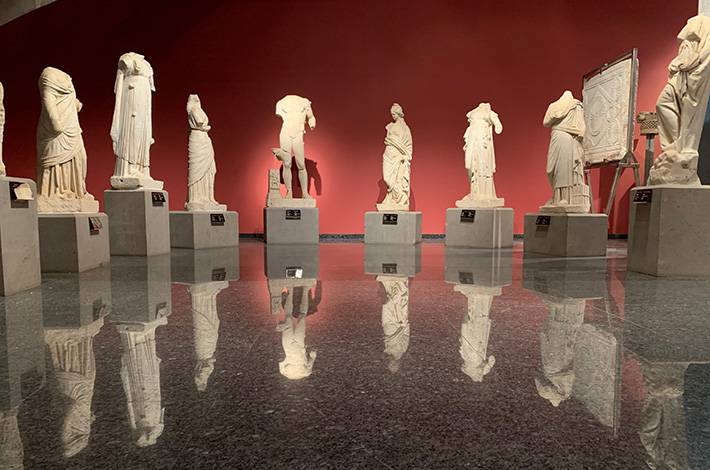
A former display of Antalya Museum’s collection; the museum is currently closed. Image: Türkiye’s Ministry of Culture and Tourism portal.

Antalya offers more than beaches and resorts. Its coast has thousands of years of history, and Antalya Archaeological Museum brings together an important collection from the region.
Closure update, checked 14 October 2026: the museum has been closed since 16 July 2025 for the first phase of the new museum project and the transfer of objects. The Ministry lists the closure as continuing until the work is completed. The collection overview below remains useful background, but the visiting suggestions apply only after an officially confirmed reopening, when the layout and arrangements may differ.
If you plan to explore ancient cities such as Perge or Aspendos, the collection helps place the region's civilisations in a wider context.
 Location and importance
 Where is it?
- The museum's established site is in modern Antalya, a short drive from the Konyaaltı area and parts of the city centre.
- Its location has made it convenient to combine with Kaleiçi or Konyaaltı Beach, but it cannot currently be included as an open museum stop.
 Why is it important?
- The collection contains finds from nearby ancient cities and archaeological sites, including Perge, Aspendos and Side.
- It is one of Türkiye's major archaeological collections.
 What does Antalya Archaeological Museum's collection include?
- Roman sculpture:
- Large statues of deities and figures from Roman-period mythology.
- Sculptures excavated in nearby ancient cities, brought together in the museum's displays before the closure.
 Pottery and everyday objects:
- Pottery, tableware, oil lamps and objects used in daily life in antiquity.
- These help explain how people actually lived during those periods.
- Inscriptions and written records:
- Inscribed slabs and stones in Greek, Latin and other ancient languages.
- The former displays included brief labels identifying the objects' origins and dates; check the interpretation available after reopening.
 A children's section, subject to future availability:
- The museum previously had a children's section introducing archaeology in a more accessible way; its future operation needs confirmation.
- An educational section can be useful for families who want to introduce children to history gently.
 Visit length and a suggested route after reopening
- Visit length:
- The original guide suggested a minimum of 45–60 minutes for the main galleries.
- It suggested 1.5–2 hours for archaeology enthusiasts who want to read some of the explanations. Reassess these estimates when the new displays open.
 A possible approach, depending on the future layout:
- Begin with the large sculptures, which tend to catch the eye first.
- Then explore pottery and everyday objects.
- Finish with inscriptions and smaller pieces if you still have energy.
 A useful tip:
- There is no need to remember everything: concentrate on the most distinctive objects.
- If you become tired, take a short break and focus on one further section rather than rushing through the entire collection.
 Possible Antalya itineraries after an official reopening
 Culture and the coast:
- Morning: visit Antalya Archaeological Museum once it has officially reopened.
- Afternoon: head to Konyaaltı Beach or explore Kaleiçi.
- An ancient city and the museum:
- Explore Perge or Aspendos on a half-day or full-day excursion.
- After reopening, consider the museum on the following day to understand more about the civilisations behind those cities.
 Practical points to check before a future visit
- Tickets:
- Once reopening is announced, check whether the museum is included in the relevant regional Museum Pass or Museum Pass Türkiye.
- Compare the current admission charge with the collection and displays available, rather than relying on the original guide's assessment that tickets were good value.
 When to visit:
- Subject to the future opening hours, morning or a cooler part of the afternoon may suit a wider city itinerary.
- The original guide suggested the indoor galleries as a break from summer heat; check the conditions and facilities in the new museum.
 General tips:
- Wear comfortable shoes, as a substantial museum visit can involve considerable walking.
- With children, focus on visual displays such as large sculptures and models, where available, rather than lengthy texts.
In brief:
Antalya Archaeological Museum's collection offers a concentrated introduction to the history of Türkiye's southern coast.
It provides:
– background to the surrounding ancient cities,
– a deeper understanding of the sculptures and ruins associated with Perge, Aspendos and Side.
Once an official reopening is confirmed, a museum visit can help combine the beach and history in the same city. Until then, use this as an introduction to the collection rather than a current visiting plan.
 Related topics
  Antalya's Museums and Exhibitions: A Guide for Families and History Enthusiasts
- Antalya Aquarium – Family-Friendly Underwater Experience
- Antalya Aquarium: Tickets, Opening Hours and Transfer Planning
- Antalya Atatürk House Museum: Photographs, Historic Rooms and Republican History
- Suna & İnan Kıraç Kaleiçi Museum: Ottoman Domestic Life and a Historic Church
- Bir Zamanlar Antalya Museum at Dokuma Park: City History and Everyday Life
- Antalya Toy Museum at Kaleiçi Harbour: A Short Visit for Families and Nostalgia
- Museums, Palaces and Castles in Türkiye: Regional Highlights and Itinerary Planning
- Trabzon’s Museums, Fortifications and Historic Sights: Six Places to Explore
Last edited by a moderator: