

- Joined
- Nov 2, 2025
- Messages
- 282
- Reaction score
- 0
- Points
- 16
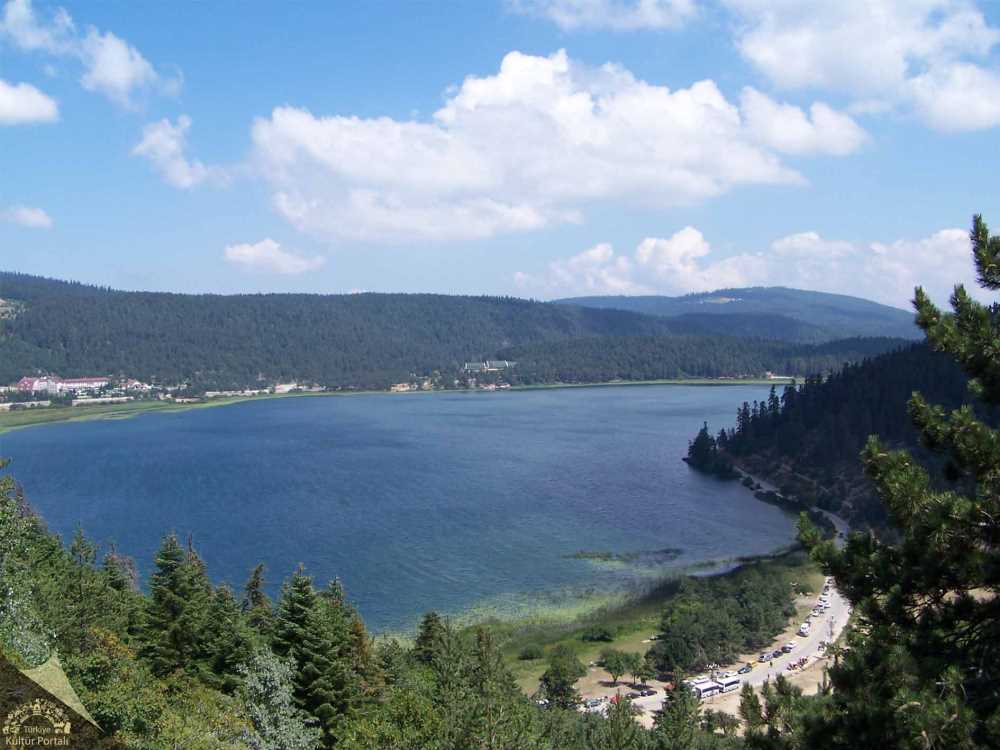
Lake Abant among Bolu's forested highlands.
South-west of Bolu, mountain-ringed Lake Abant sits within Abant Gölü National Park. Water, woodland and meadows meet in a distinctive upland setting. Looking beyond the lake's familiar outline reveals waterside plants, wildlife habitats and connections with the surrounding countryside.
 The Lake and Its Mountain Basin
Abant lies more than 1,000 metres above sea level. The surrounding slopes define its basin, while local water sources sustain the lake. Its shores alternate between woodland, waterside vegetation and open areas. This combination gives Abant a different character from the province's smaller artificial lakes.
Notice the shape of the shoreline and the direction of the slopes. The lake forms a relatively broad expanse within the forest, but the scene changes with your viewpoint: a line of trees may frame the water, or the view may open towards meadows and hills. Clouds and changing light alter colours and reflections without changing the landscape's underlying form.
 Forests and Plants
Pines, beeches, oaks and other trees and shrubs grow around the lake, with aquatic and waterside plants along its margins. Different species bring different shades of green, while deciduous trees become particularly noticeable in autumn. The meeting of forest, wet ground and meadow creates a more varied environment than a uniform stand of trees.
The vegetation beside the water is an important habitat zone. Some local species bear Abant's name in their scientific or everyday names, reflecting the area's importance to natural-history studies. Abundant greenery does not mean every shore is suitable for walking: wet or densely vegetated margins should retain their natural boundaries.
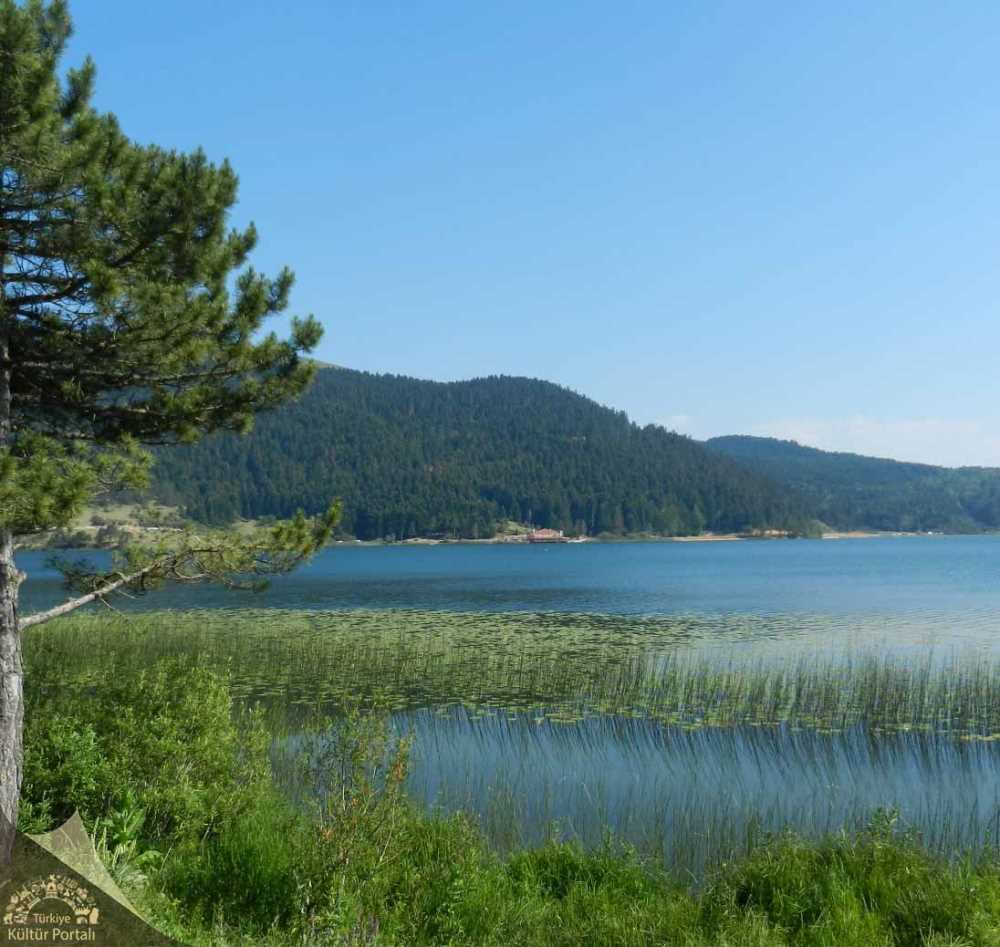
Another view of Lake Abant's shore and surrounding forests.
 Wildlife and Conservation
Abant is associated with a local trout population and the animals and birds that live in and around the lake. Opportunities to see them depend on the season, time of day and how quiet the surroundings are. A species list is never a promise of sightings; the habitats remain valuable even when their inhabitants are out of view.
National park status recognises the importance of protecting the lake and its surroundings together. Water quality, shores and forest need balanced management. Noise, litter and entry into sensitive areas can affect this connected environment. Understanding these relationships adds depth to the view: Abant is a living natural system as well as an attractive lake.
 Meadows, Countryside and Seasons
The lake connects with rural meadows and uplands towards Mudurnu, including places around Abant such as Çepni. Open spaces between the forests reveal the relationship between nature, seasonal life, villages and local produce. They broaden the experience beyond the road around the lake.
Spring brings fresh greenery, the warmer months draw attention to the meadows, autumn changes the leaves, and winter snow gives Abant another appearance. These shifts are part of the upland environment's identity: the name stays the same while the landscape continually changes.
 Visiting Notes
Choose weather that suits the scenery you hope to enjoy and check road conditions during snow or fog. Use permitted paths, leave plants in place, and avoid feeding animals or entering the water. Activities and facilities vary with the season and local instructions. Confirm what is available and allow time to appreciate the lake without an overcrowded itinerary.
 Related topics
 - Bolu 2026: The Historic City, Museums and Markets
- Gölcük and Aladağ 2026: Bolu Lakes, Forests and Highlands
- Yedigöller 2026: Seven Lakes, Forests and Natural Diversity
- Mudurnu and Göynük 2026: Ottoman Houses, Markets and Heritage
- Seben, Gerede and Mengen 2026: Rock-Cut Houses and Rural Bolu
- Düzce and Konuralp 2026: Ancient City, Theatre and Museum
- Akçakoca and Rural Düzce 2026: Coast, Castle and Waterfalls
- Trabzon Heritage 2026: Hagia Sophia and Atatürk Mansion
- Sümela and Altındere 2026: Monastery History, Architecture and Forests
Last edited by a moderator: