

- Joined
- Nov 2, 2025
- Messages
- 282
- Reaction score
- 0
- Points
- 16
Istanbul: History, Culture and Life across Two Continents
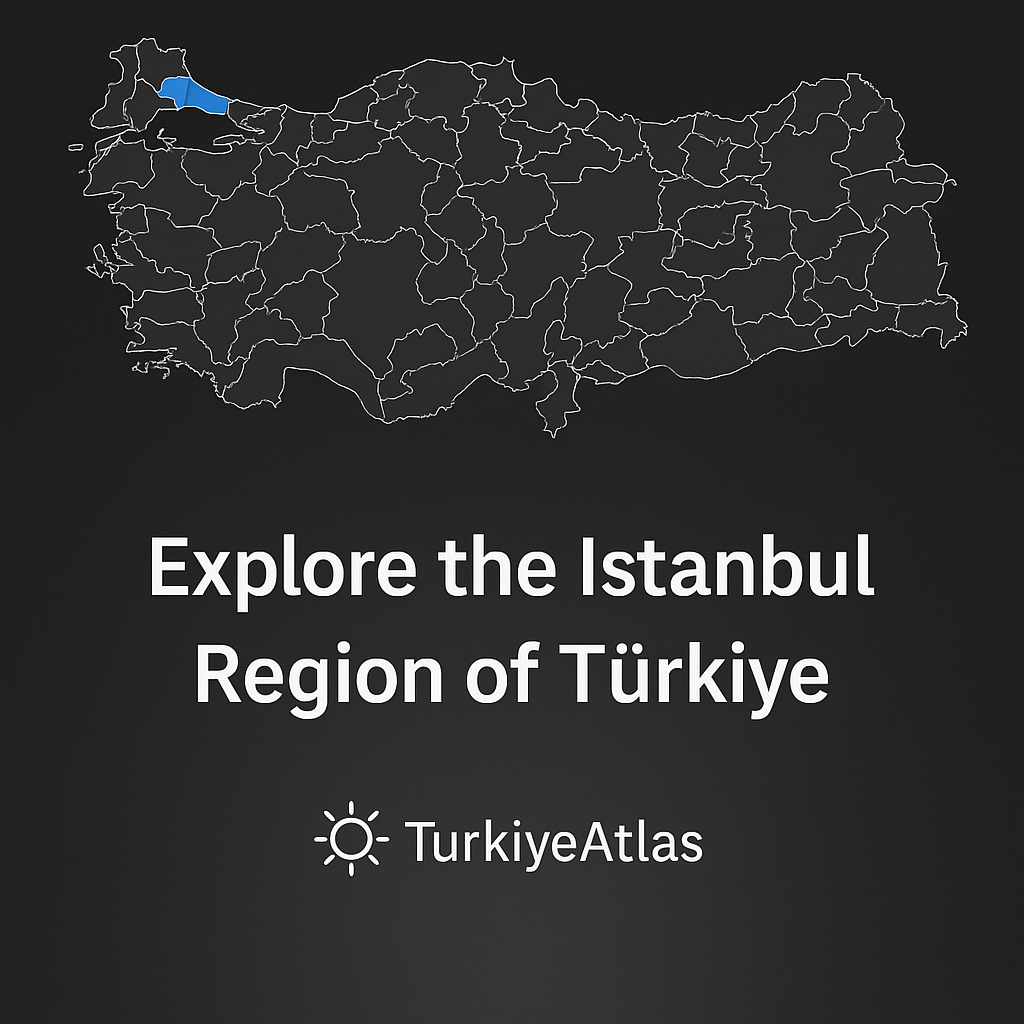
Location and character
Istanbul extends across Europe and Asia, with the Bosphorus separating its two sides. Türkiye's largest city by population is a major centre of culture, business and tourism, where historic neighbourhoods share the waterfront with the pace of a modern metropolis.History
Known in antiquity as Byzantion and later as Constantinople, the city became a Roman imperial capital, remained the centre of the Eastern Roman or Byzantine Empire, and became the Ottoman capital after Mehmed II's conquest in 1453. The name “Istanbul” emerged through a longer naming history alongside the city’s changing languages and communities.Mosques, churches, palaces and surviving streets preserve different chapters of that past. Exploring them together is one of the best ways to understand the city beyond any single monument.
Landmarks
- Hagia Sophia / Ayasofya: a remarkable building with a history as a church, mosque and museum, now functioning as a mosque. Check the current arrangements for the area you want to visit.
- Topkapı Palace: the principal residence and court of Ottoman sultans for nearly four centuries.
- The Blue Mosque / Sultanahmet Camii: one of the historic peninsula's defining landmarks.
- Dolmabahçe Palace: a major example of the later Ottoman court's architectural taste and European influences.
- The Bosphorus Bridge: one of the road links between the European and Asian sides, with a distinctive presence on the evening skyline.
- The Grand Bazaar / Kapalıçarşı: a vast historic covered market; allow time to explore its surrounding commercial streets as well.
- Galata Tower: a landmark associated with views across the city and its waterways, subject to current visitor access.
Food
Istanbul brings together cooking traditions from across Türkiye. Try kebabs, fish dishes, künefe, baklava and everyday favourites such as simit with Turkish tea. Food events and lively dining scenes in places including Kadıköy, Beşiktaş and Eminönü offer further ways to explore; check local programmes for event dates.Arts and culture
Museums such as Istanbul Modern and the Rahmi M. Koç Museum sit alongside galleries and performance venues. The Istanbul Film Festival and Istanbul Music Festival are established parts of the cultural calendar, with programmes and dates varying each year. A visit can combine major exhibitions with smaller neighbourhood experiences.Parks, islands and waterfronts
The Çamlıca hills offer views towards the Bosphorus, while the Princes' Islands / Adalar provide a different pace from the mainland. Gülhane and Emirgan are among the city's well-known green spaces. Winter occasionally brings snow to the city; check the forecast when planning seasonal activities.Economy and daily life
Istanbul is a leading centre for companies, banks, ports and air connections. It welcomes many millions of international visitors, although arrivals and tourism statistics vary by year and measure. The city's scale creates opportunities as well as substantial travel distances, so the location of your accommodation or home matters.Planning your visit
- April–May and September–October are useful starting points for milder sightseeing weather.
- Use the tram, metro and other public transport where they fit your route, allowing time for transfers.
- Consider a Bosphorus boat trip around sunset, checking the timetable and weather.
- Explore local food in Sultanahmet or Ortaköy, alongside neighbourhoods beyond the main visitor routes.
- A walk along İstiklal Avenue in the evening offers a lively view of contemporary city life.
Istanbul's position across two continents is one of its defining features, alongside its long history as an imperial capital. Together, its historic neighbourhoods, waterways and cultural life make that geography part of the experience of visiting.