

المسافر
Active member
- Joined
- Dec 3, 2025
- Messages
- 189
- Reaction score
- 0
- Points
- 16
 Introduction
A property that works well as a family home may be a weak investment. Another may generate attractive rent while being unsuitable for everyday family life.This guide compares the main types of property investment in Türkiye and explains when each may suit your objectives.
 Residential property: apartments and villas
Residential purchases are common among foreign buyers.
When might they suit you?
- You want a family home now or later, with the option to let it when unused.
- You prefer relative stability and less intensive management.
Potential advantages:
- Housing demand in large cities such as Istanbul, Ankara and Antalya.
- Suitability for annual tenancies with local families or residents.
- Potentially a wider resale market than more specialised assets.
Limitations:
- Rental yields may be moderate.
- Neighbourhood selection remains essential: assess services, transport and reputation.
A residential property can combine a home with investment potential, rather than relying on a quick speculative resale.
 Tourist accommodation and holiday homes
This market depends on tourists, seasonal visitors and short-stay guests. Relevant destinations include selected Istanbul districts, Antalya, Alanya, Trabzon, Uzungöl and Sapanca.
Potential advantages:
- Peak-season daily or weekly income may exceed equivalent long-term rent, but compare full-year net income after vacancy and costs.
- A suitable property can serve strong tourism demand.
Risks and workload:
- Significant seasonality, often with busy summers and quieter winters.
- Frequent cleaning, key handovers and near-daily management.
- Compliance with current short-term letting permits and other requirements.
This approach suits owners prepared for variable income and active management, or those appointing a specialist manager for a share of revenue.
 Commercial property: shops, offices and warehouses
Examples include a shop on a busy street, an office in a business tower, or a warehouse or workshop in an industrial district. Although less familiar to some Arab buyers, commercial property is an established part of the Turkish market.
Potential advantages:
- Business tenants may take longer leases.
- Rental yields can sometimes exceed residential yields.
Risks:
- A departing or insolvent tenant may leave an extended vacancy.
- Good location selection requires detailed local market knowledge.
- Performance is sensitive to economic conditions and business activity.
Obtain strong local expertise through an experienced adviser or an appropriately structured partnership before proceeding.
 Land: development plots, agricultural land and possible rezoning
Land can be particularly complex for a foreign buyer without independent legal and technical advice.
Categories include land designated for building, agricultural land, and land marketed on the possibility of future development zoning.
Potential benefits:
- A well-supported development case may offer future appreciation.
- Experienced local and larger investors may hold land over the long term.
Significant risks:
- Foreign-ownership restrictions by location or land area.
- Unsupported promises that land ‘will be rezoned in two years’.
- Boundary, co-ownership, municipal reservation or litigation issues.
Do not proceed without an independent lawyer and land specialist.
 Shorter and longer investment horizons
Short- to medium-term: 3–5 years- Often involves buying off-plan and selling after handover or several years.
- Risks include developer performance, market changes and rules affecting foreign buyers.
Long-term: 5–10 years or more- Focuses on a city and neighbourhood with lasting residential, tourist or business demand.
- Potential returns combine rent with any appreciation in the asset’s value.
For many foreign buyers, residential property with medium- or long-term letting may be more manageable than pursuing a rapid speculative profit.
 Practical takeaway
First establish whether you want a stable home, rental income or speculative capital growth. Seeking to double your capital quickly carries particularly high risk.
- Residential property can suit many buyers seeking a home and manageable rental potential.
- Tourist accommodation can produce strong seasonal income but requires active management and regulatory compliance.
- Commercial property requires genuine local expertise.
- Land demands specialist independent legal and technical advice.
Choose the investment type before choosing the city, neighbourhood or agency.
Undeveloped-property check: a foreign natural person purchasing undeveloped property must submit the intended development project to the relevant ministry within two years under the applicable rules. Do not treat building rights or rezoning as guaranteed.
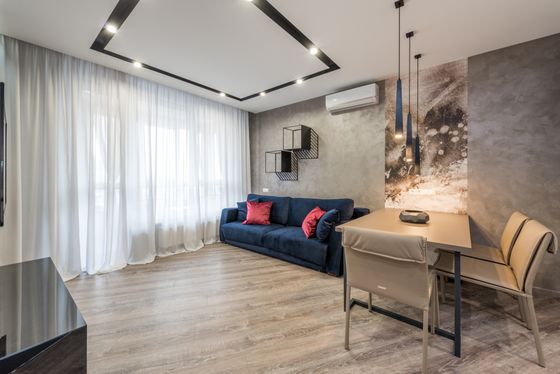
Illustrative residential interior; this is not the location of a property discussed in this guide. Photo: Max Vakhtbovych / Pexels.
 Practical comparison and verification table
| Asset type | Core feasibility check |
|---|---|
| Residential | Family suitability, comparable rent, building condition and operating costs |
| Tourist | Permit feasibility, full-year net income and management cost |
| Commercial | Permitted use, tenant strength and vacancy risk |
| Land | Zoning, boundaries, restrictions and foreign-buyer project requirements |
 Related topics
 Türkiye Property Investment Guide 2025: Buying, Prices, Locations and Practical Advice A Foreign Buyer’s Guide to Property Ownership in Türkiye in 2025: Rights and Responsibilities Cities and Neighbourhoods for Property Investment in Türkiye in 2025: Buying to Live or to Invest The Full Cost of Buying an Apartment in Türkiye in 2025: Fees and Taxes Explained Rental Yields and Property Investment Returns in Türkiye in 2025: Calculating Your Apartment’s Returns Property Risks and Scams in Türkiye: Warning Signs and How Foreign Buyers Can Protect Themselves Housing Loans and Mortgages in Türkiye in 2025: What Foreign Borrowers Need to Know Rental Income and Property Investment Returns in Türkiye: Annual Tenancies or Tourist Lets? Assessing a Property Investment in Türkiye: Net Rent, Financing and Risk