

- Joined
- Feb 23, 2026
- Messages
- 207
- Reaction score
- 0
- Points
- 16
 Sümela and Altındere: Planning the Road Journey and the Climb
Photographs of Sümela Monastery clinging to the rock can make the outing look like an easy stop beside a car window. Reaching the valley and reaching the monastery entrance are different stages, however: a mountain road, vehicle arrangements on site, then walking, steps and interior sections involving further ascent and descent. “How far is it from Trabzon?” is therefore only part of the question. Ask how much you will walk, how well your group manages steps, the last admission time and who will transport you back. This guide helps you enjoy the monastery and forest without promises of complete access or consistently clear views, with a practical alternative if weather changes or entry is unavailable.
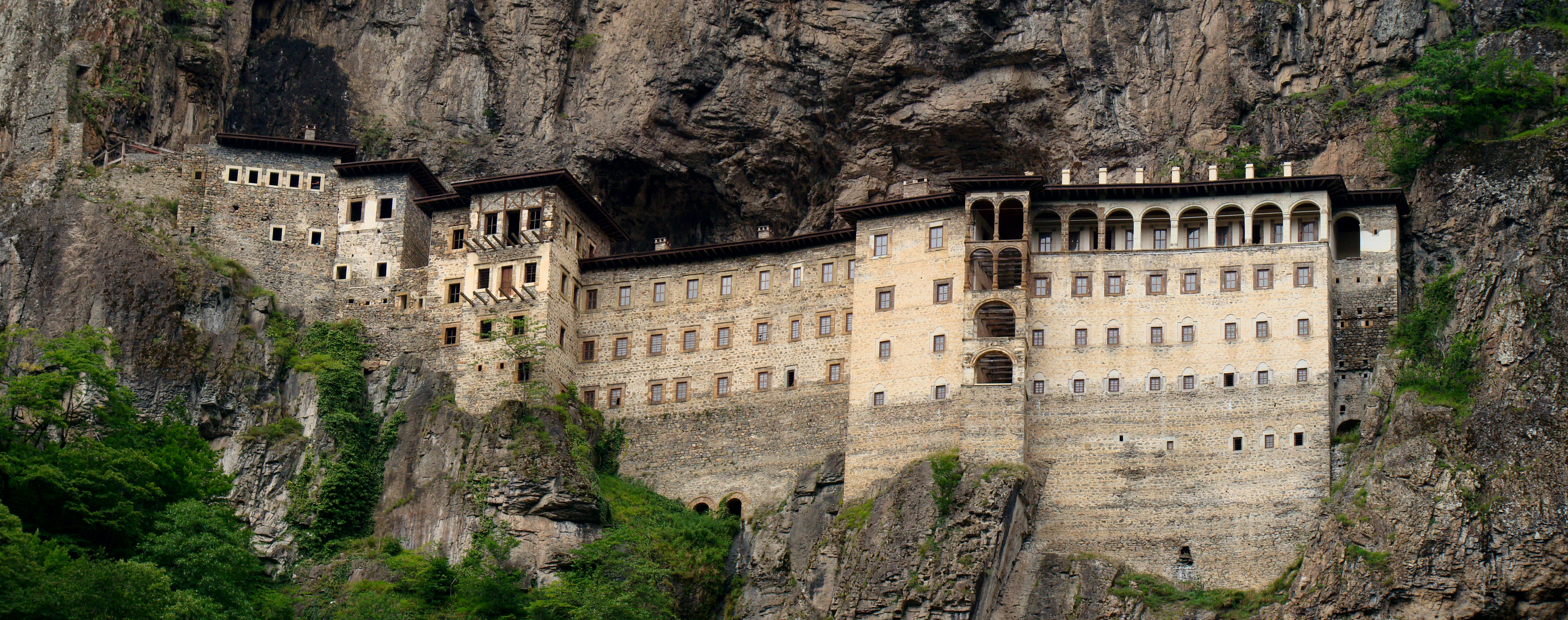
Sümela seen from across Altındere Valley; an archive photograph from 2009, rather than a guarantee of clear visibility on your visit.
Photograph: Bjørn Christian Tørrissen · CC BY-SA 3.0

 Location and historical context in a few minutes
Sümela stands on rocks overlooking Altındere Valley in Maçka, Trabzon province. Ministry information places it about 1,150 metres above sea level and around 300 metres above the valley; the second figure is relative height, rather than the number of metres visitors will walk. The building is inseparable from its slope and forest, so a distant valley view and a photograph inside the courtyard offer different experiences.
Also known as the Monastery of the Virgin Mary, it includes a rock church, subsidiary spaces, rooms and facilities around a courtyard. Official sources recount an early foundation by monks, later development and extensions and renovations in the eighteenth and nineteenth centuries. Read this as spiritual heritage and architectural history, rather than treating every foundation narrative as equally documented in detail.
Sümela is on UNESCO's World Heritage Tentative List, which differs from inscription on the World Heritage List. Altındere Valley is itself within a national park characterised by forest and terrain. Allow time to look and rest instead of treating it merely as the monastery car park. You need not memorise many dates to appreciate the setting: notice the use of rock, how rooms connect, and how the monastery's interior space differs from the wide external scene.

 Getting there from Trabzon: arrange the complete journey
The usual direction runs through Maçka to Altındere Valley. Before choosing transport, compare four elements: hotel location, collection time, actual arrival at the visit point and the return. A tour collecting passengers from several hotels may have a lengthy start; a private driver offers flexibility but needs an agreement on waiting and stops. No fixed road duration is given here because traffic, weather and vehicle drop-off location affect the calculation.
With a hire car, enter the park or permitted arrival point and follow the vehicle arrangements on site. A map showing a road to its end does not establish that every car may continue there. An old video showing a car at the entrance is no evidence of current permission. Agree with your driver where they wait, whether in the valley or at a higher stage under the current system, and what you will do if mobile coverage fails.
For public transport or minibuses to Maçka, confirm how to complete the journey to Altındere and return. Reaching central Maçka does not establish an immediate connection to the monastery door. If the final link is uncertain, compare an organised excursion or booked transfer: transport costs must solve the return as well as the outward journey.

 Vehicle, local shuttle and walking: three separate elements
The ministry's description confirms that vehicles reach a certain point, followed by a forest path to the monastery. The available text does not provide a complete daily local shuttle timetable or current fare confirming every stage. Ask on your date where your vehicle's access ends, what transport is running, whether traffic arrangements make it compulsory or optional, and the adult, child and return prices.
Do not accept a tour company's “transport included” without establishing whether this covers only hotel to valley or also any internal shuttle operating on site. Ask it to separate vehicle parking or park admission from monastery admission and any required internal service. One charge may be per person and another per vehicle; written details prevent incorrect totals on arrival.
If using a shuttle, save its return point and ask about its final service and queue arrangements when you get off. Being transported uphill does not mean a vehicle will wait as you emerge. If arrangements or road conditions suspend services, follow staff guidance and reduce the programme. Do not automatically replace transport with an unassessed walk along a vehicle road.

 Steps and access: does the visit suit everyone?
The ministry describes a walking route and long, narrow steps to the entrance, followed by steps down to the courtyard. Reaching the path's beginning does not establish access to every part. No fixed step count is given: published figures can count different sections, while works and management arrangements change the permitted route. Ask about the current path and stairs, and a current entrance photograph if someone needs a more precise assessment.
The official reference to a 300-metre path prepared during restoration does not mean the entire outing is 300 metres from your car to every room. The drop-off position and interior route add effort. Slower walkers may need longer and breaks between sections. Plan around the slowest person who wants to enter, rather than the most active members' speed.
| Group circumstances | More suitable plan | Question before booking |
|---|---|---|
| Comfortable with walking and steps | Monastery followed by a valley break | Open route and return timing |
| Small child or pushchair | Assess the path and divide the group if needed | Where to leave the pushchair and accompanying arrangements |
| Major difficulty with steps or wheelchair use | Valley and available viewpoints after confirming access | Actual entrance and facilities, without promising complete monastery access |
Do not describe the site as fully wheelchair accessible without specialist confirmation from management. A family can split its visit, but anyone staying below should wait somewhere comfortable and known, with appropriate company and a communication plan, rather than at a road bend.

 Tickets and passes: separate every item
Before paying, identify the product: monastery admission, park admission or service, parking, local shuttle, or a guided tour. Some items may be included in a package and others charged separately according to available services. No official combined total is given because the pages checked did not establish one tariff covering all of them on 7 October 2026. Ask the seller or site ticket office for clear details and keep receipts.
The monastery page states that MüzeKart is valid for Turkish citizens; this does not give every foreign visitor the same product. If holding a tourist museum pass, check that Sümela appears in its current coverage and that the pass is valid, then ask about external services excluded from it. Confirm the child category and required age and nationality evidence; a passport does not automatically substitute for every domestic card.
For an organised visit, ask about commentary language and actual visit duration, and whether admission is included or collected en route. A guide's charge does not remove the ticket queue, and an electronic ticket does not exempt you from every admission procedure. Prepare the code and required identification and keep a copy that opens offline.

A photograph of Sümela Monastery in Maçka from July 2019; access arrangements and open sections change with site management.
Photograph: BSRF · CC BY-SA 4.0

 Admission hours: avoid relying on a conflicting late closing time
At the 7 October 2026 check, the museum portal displayed 08:00–17:00 with the ticket office closing at 16:30, while Sümela's contact page displayed 08:00–19:00 without identifying the current season. These displays were still conflicting when rechecked on 13 October 2026. Older seasonal announcements also give other times. Do not plan late entry from any one figure alone. Contact site management or check the dated notice closest to your visit, asking for both the monastery's last entry and the final service returning you to the valley.
Aim to arrive in the first half of the day where possible, allowing for the road, queue, walking and steps. Ticket office closing time is not your hotel departure time, and buying shortly before closing does not ensure time to see everything. If you cannot arrive with enough time, choose the valley and an available view rather than paying in the hope of overrunning. Any subsequent official change should be reflected in this section before using the itinerary for travel.

 What to see inside
Begin by noticing how the building meets the rock, then follow the direction organised by management. After the entrance and courtyard, make the rock church and frescoes a priority, continuing through the rooms and sections allowed by the route. Not every room in a historical photograph is necessarily open, and a restoration barrier is no invitation to detour around it. At the 13 October 2026 check, the Ministry portal displayed “Open” at the top and “Partially closed” below the description, without identifying the affected sections. This does not mean the entire monastery is closed; confirm accessible sections before travelling.
On a self-guided visit, read one or two panels carefully and compare what you see with exterior photographs: how does the small courtyard differ from the large façade? Where is the natural rock, and where do built walls begin? These questions help children and non-specialists understand without a long lecture. Ask a guide to connect history with the building and paintings, rather than merely list dates.
Ask staff about current photography rules, especially flash, tripods and sections under maintenance, and follow signs. Keep your distance from paintings and walls without touching for a closer look. On narrow stairs, move out of the traffic flow before photographing and let others pass.

 Weather, visibility and when to change course
Mist may hide the façade from distant viewpoints, and rain can make the ground and stairs harder to manage. A sunny tour advert does not guarantee your view. Check forecasts for Maçka and Altındere, followed by management's confirmation of road and admission conditions; the coastal Trabzon forecast alone does not describe the mountain in detail. Wear sturdy shoes and a layer suited to changing conditions, protect your phone and keep your bag light enough not to restrict movement.
If visibility is poor but the visit is open and the route suitable, focus on the interior rather than a valley photograph. With a closure or a route unsuitable for your group, follow staff advice to rest in an available valley area or return to Maçka. Travelling far is no reason to insist on a closed path. An alternative in Trabzon itself should use somewhere confirmed open that day, rather than an old museum name whose status may have changed.
Do not promise refunds for every service simply because mist changes or a view disappoints. Ask the tour company beforehand about official admission cancellation, route changes and refunds for unused tickets or transport. The specific company's and service's terms govern this, rather than weather descriptions alone.

 A day plan with enough time
Before departure: Confirm monastery opening, hours and access, and agree the meeting point. Prepare booking codes, identification and a return map, deciding who enters and who remains in the valley. Do not leave that decision until the final steps after buying everyone's tickets. On arrival: Ask about internal transport, the open route and return, and use facilities and rest before climbing. Begin gently and assess the group's comfort at the first section. You can stop or divide the programme before fatigue makes the return difficult. Inside the monastery: Allow time for the church, courtyard and open sections, with a flexible estimate of roughly an hour to an hour and a half inside according to crowds and interest. This planning allowance excludes much of the transfer and does not guarantee quick entry. After leaving: Descend by the prescribed route, then have lunch or a valley break after completing the part dependent on the ticket office. Check return timing before adding a stop. Combining Sümela and Uzungöl in one day from Trabzon can leave little time at each and a long road journey; separating them usually suits a family wanting a comfortable visit better.
 The valley is an experience in its own right
Not entering the monastery does not mean the day is wasted. Those comfortable with the walking can spend time in open valley sections and enjoy the forest and scenery, but ask about permitted routes before heading for a random viewpoint. Do not cross a stream or service road to reproduce someone else's photograph. Give children a nearby area to move in, and keep rubbish until reaching a disposal point.
For a short day, choose a food stop near your return route and check menu and prices before ordering. A restaurant bearing Sümela's name is not necessarily included in the monastery ticket, nor does its location necessarily provide a view of the building. Choose for comfort, cleanliness and ease of continuing your journey rather than name alone.
 Sample budget and final questions
List transport from Trabzon and waiting + any park or parking service + internal shuttle if used + monastery tickets + food. A hypothetical family calculation is TRY 2,500 transport, TRY 1,600 total tickets, TRY 600 site services and internal transport, and TRY 1,000 food: TRY 5,700 overall. These are educational figures, not confirmed prices. Avoid counting package inclusions twice, and use the actual ticket count if only two people pay admission.
Is an hour enough from the hotel and back? Do not confuse time inside with the whole journey. Does the shuttle remove all walking? No: walking and steps remain according to arrangements. Can a pushchair or wheelchair reach every section? Do not rely on that promise without an official description of the current route; stairs are a fundamental feature. Is Sümela on UNESCO's final World Heritage List? The correct description here is the Tentative List.
- Confirm today's opening, last ticket admission and final return service before setting out.
- Obtain an itemised list of tour inclusions and charges paid on site.
- Plan realistically for steps, who waits, their companion and the meeting point.
- Bring sturdy shoes, a rain or cold-weather layer, and a phone with an offline ticket.
- Allow for queues, walking and a break afterwards.
- Choose an available nearby alternative if management closes the route or it does not suit the group.
 Related topics
 Attractions and Experiences in Türkiye: Historic Sights and Leisure Activities
- The Best Things to Do in Türkiye's Black Sea Region: Trabzon, Rize, Uzungöl, Ayder and Ordu
- Transport in Türkiye’s Black Sea Region: Trabzon, Rize, Uzungöl, Ayder and Ordu
- Trabzon to Uzungöl: Choosing a Bus, Tour or Car
- Rize and Ayder: Planning the Route, Connections and Return
- Getting Around Türkiye’s Black Sea Region: Hire Car, Driver or Group Tour?
- Family Taxis and Private Transfers: Seats, Luggage, Child Restraints and Return Trips
- Hiring a Car in Türkiye: From Booking to Getting Your Deposit Back
- Planning Attraction Visits with Children and Older Travellers: Comfort, Access and Booking
Last edited by a moderator: