

- Joined
- Nov 2, 2025
- Messages
- 282
- Reaction score
- 0
- Points
- 16
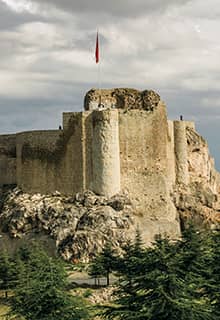
Harput Castle above the rocky height that defines the old town.
Harput is Elazığ's historic hilltop settlement. Castle, mosques and old architecture stand close together, with the views helping to explain the place. Focus on two or three landmarks, allowing time to walk and rest, rather than hurrying through a long list of names.
 An Urartian Castle through Successive Periods
The castle's origins are associated with the kingdom of Urartu, followed by repair and reuse in later periods, including Artukid and Ottoman times. Its elevated rocks make the choice of a defensive and observation site easy to understand.
Be aware of changes in ground level and use the permitted entrance route. From the viewpoints, study the relationship between walls, hill and settlement, keeping clear of unprepared edges and closed excavation areas.
 Ulu Mosque and Its Leaning Minaret
Harput Ulu Mosque represents the area's Artukid heritage and is known for its leaning minaret, courtyard and arches. The Culture Portal notes the absence of a foundation inscription and uncertainty over the construction date, while recording the common attribution to the twelfth-century Artukid ruler Fahreddin Karaarslan. Its architecture and historical setting are central to the visit.
Choose a time that respects prayers and ask which areas visitors may enter. Notice the meeting of stone and brick and the courtyard arrangement, seeking permission before photographing inside the prayer hall or taking pictures of worshippers.
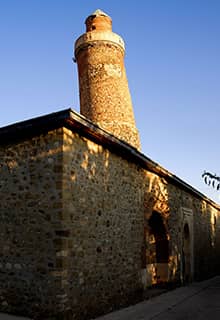
Harput Ulu Mosque, distinguished by its leaning minaret.
 Varied Heritage around the Castle
The Church of the Virgin Mary adds local Christian heritage to Harput. Its position near the rocks helps explain how the town's buildings made use of the terrain.
Confirm access before including an interior visit; religious buildings may have restricted opening arrangements. When viewing monuments from outside, pay attention to the lanes and façades between them as well as the better-known photographic viewpoints.
 A Break for Food and Views
After the castle and mosque, leave time for a meal or tea. Ask about Harput köfte at a local-food establishment, checking the menu and prices before ordering.
Choose somewhere that fits the remaining walking distance, avoiding repeated climbs in pursuit of another view. A lighter meal may suit continued walking, with a longer lunch or dinner saved for your return to the centre.
 Planning a Visit with Less Walking
Begin at the castle if it is your priority, then devote time to the mosque and a nearby monument, taking a break before returning. Anyone who finds climbing tiring can reduce the number of stops and agree the nearest available drop-off and pick-up points with the driver.
Save the meeting point and the name Harput on your phone, and wear secure footwear suited to stone surfaces. If the weather changes or part of a site closes, enjoy the accessible areas and leave the remaining sights for another visit.
 Related topics
 - Elazığ 2026: City Museum, Kâzım Efendi Street and Bazaars
- Palu 2026: Castle, Menua Inscription and the Murat River Stone Bridge
- Lake Hazar and Sivrice 2026: Lakeside Visits and Seasonal Hazarbaba
- Arslantepe and Battalgazi 2026: Early State Formation and Old Malatya
- Malatya 2026: Apricots, Local Food and Shopping after Reconstruction
- Darende 2026: Somuncu Baba, Tohma Canyon and Günpınar Waterfall
- Akçadağ 2026: Levent Valley and the Arabian Horses of Sultansuyu
- Elazığ: Lakes and Deep Anatolian Heritage
- Malatya: Türkiye’s Apricot Capital and Eastern Heritage
Last edited by a moderator: