

- Joined
- Nov 2, 2025
- Messages
- 282
- Reaction score
- 0
- Points
- 16
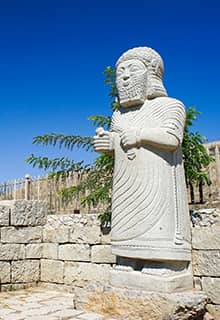
A replica statue at the entrance to Arslantepe; the original is held in a museum.
This trip reveals two distinct periods of Malatya's history: Arslantepe, with evidence of early administration, and Battalgazi, the old settlement with its Seljuk and Ottoman heritage. Make the archaeological site the main visit, adding other monuments according to current access arrangements.
1.  Why Arslantepe Deserves Your Time
Arslantepe was inscribed on the UNESCO World Heritage List in 2021. Its importance goes beyond the age of its buildings: palace remains, seals and other archaeological evidence illuminate the organisation of resources and power before fully developed writing systems.
Arslantepe and Malatya Archaeology Museum reopened on 8 August 2026, according to the provincial culture and tourism directorate. The museum in Kernek is a separate stop that adds context to the site’s discoveries. Check each venue’s visiting hours when planning your day, and distinguish it from Beşkonaklar Ethnography Museum, which is closed for repair work.
Follow the visitor route and read the displays in sequence, giving the site's less monumental remains time to reveal their significance. Mudbrick walls and surviving decoration are delicate. Keep to the walkways and photograph from permitted areas without touching the remains or crossing barriers.
2.  The Visitor Centre and Displayed Objects
The interpretation and visitor centre beside the site opened in October 2025. Its visual displays help explain the historical layers. Begin with the introductory material available during your visit, then follow the archaeological route to connect that explanation with what survives on the ground.
Some statues and reliefs displayed near the entrance are copies of originals moved to museums. Distinguish these replicas from the original walls within the site, and remember that the discoveries from its excavations are held in more than one place.
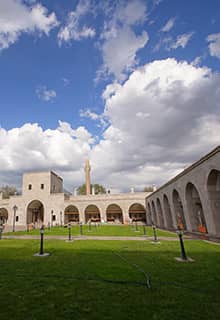
An archival view of Silahtar Mustafa Paşa Caravanserai, listed as temporarily closed for restoration after the 2023 earthquakes.
3.  Battalgazi and Restoration Work
Silahtar Mustafa Paşa Caravanserai, dating to 1637, is a landmark of old Malatya. Following damage in the 2023 earthquakes, it is listed as temporarily closed for restoration. The photograph illustrates its architecture; check current admission arrangements before planning an interior visit.
Ulu Mosque is another major historic monument, but admission should also be confirmed directly before it becomes a fixed stop. Check the status of each building before travelling. Where work continues, use only permitted areas and keep clear of barriers.
| Stop | Published position | What it means for your itinerary |
|---|---|---|
| Arslantepe | Reopened on 8 August 2026 | Make it the main stop and confirm admission times. |
| Malatya Archaeology Museum, Kernek | Reopened on 8 August 2026 | A separate visit to archaeological finds, including objects from Arslantepe. |
| Silahtar Mustafa Paşa Caravanserai | Closed for repair work after the 2023 earthquakes | The photograph is documentary; do not build the itinerary around entering the caravanserai. |
| Ulu Mosque, Battalgazi | Confirm visitor access directly | Add it only after checking which entrances are available. |
4.  A Practical Itinerary
Devote the first part of the day to Arslantepe, allowing time to read the interpretation and take a break. After lunch, add Battalgazi if suitable visits have been confirmed. This order helps you spend your time exploring rather than moving between closed entrances.
If using a taxi or driver, agree the stops, waiting time and return journey before departure. Pin Arslantepe and old Malatya separately: they are distinct stops in the day's programme.
| Part of the day | Plan | Alternative if access changes |
|---|---|---|
| Start | Visitor centre, then the Arslantepe route | Follow the admission sequence available at the site. |
| Middle of the day | Lunch and a break, then the archaeology museum if its hours fit | Stay in the city if too little time remains for the museum. |
| Final part | Battalgazi after confirming its individual stops | Use permitted public areas or return without detouring to closed entrances. |

Arslantepe’s interpretation and visitor centre, opened on 4 October 2025; photograph from Malatya’s culture and tourism directorate.
5.  Before You Set Off
Bring water and comfortable shoes, and check admission times and charges when planning your visit, as these can change. With children, keep the explanation simple: how did people store resources and organise their lives?
Pre-earthquake photographs help explain the monuments' history, while today's entrances and facilities determine the practical itinerary. Allow some extra time for the return journey.
 Related topics
 - Malatya 2026: Apricots, Local Food and Shopping after Reconstruction
- Darende 2026: Somuncu Baba, Tohma Canyon and Günpınar Waterfall
- Akçadağ 2026: Levent Valley and the Arabian Horses of Sultansuyu
- Harput 2026: Castle, Ulu Mosque and Old Elazığ Heritage
- Palu 2026: Castle, Menua Inscription and the Murat River Stone Bridge
- Elazığ 2026: City Museum, Kâzım Efendi Street and Bazaars
- Lake Hazar and Sivrice 2026: Lakeside Visits and Seasonal Hazarbaba
- Malatya: Türkiye’s Apricot Capital and Eastern Heritage
Last edited by a moderator: